
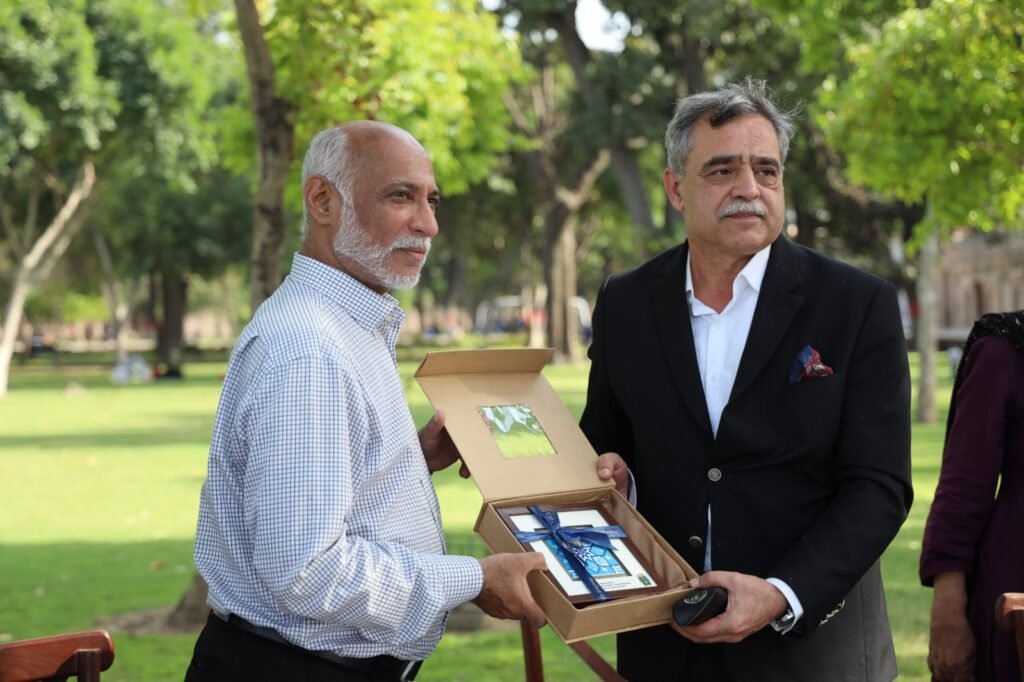
LAHORE, April 24 (ABC): A policy dialogue in Lahore heritage has brought renewed attention to cultural preservation and sustainability, with officials, academics, and civil society representatives քննարկing how to protect historic assets while supporting community development. The discussion on preserving heritage for a sustainable future comes as Pakistan faces growing pressure to balance urban growth with the conservation of its cultural sites.
Contents
What is the dialogue about?
The event was held at the Shalimar Gardens, a UNESCO-listed Mughal-era site, and was organised by the Walled City of Lahore Authority.Participants discussed strategies to conserve historical landmarks while ensuring they remain relevant and beneficial to local communities. The dialogue brought together experts from government institutions, academia, and non-governmental organisations.Why does heritage preservation matter?
Cultural heritage sites serve multiple roles. They help preserve historical identity, support tourism, and can contribute to local economies.Speakers noted that maintaining such sites is not only about protecting physical structures but also about sustaining traditions, crafts, and community connections linked to those places.What challenges were identified?
Participants highlighted several ongoing challenges:- Public awareness: Limited understanding of heritage value, especially among younger generations
- Urban development pressures: Expansion and infrastructure projects can threaten historic areas
- Access and engagement: sites may not be presented in ways that appeal to wider audiences
Who is affected?
Heritage conservation efforts involve multiple groups:- Local communities, who live around or depend on heritage sites
- Artisans, whose traditional crafts are linked to cultural identity and tourism
- Youth, seen as key to future preservation efforts
- Policymakers and planners, responsible for integrating conservation into development strategies