
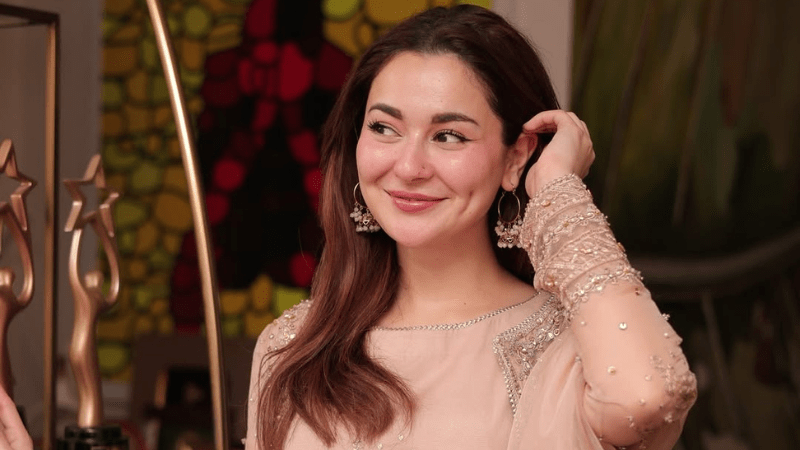
Pakistani actor Hania Amir has spoken out against online toxicity and the culture of comparing women on social media, saying much of the criticism directed at women comes from discomfort with “happy, unapologetic women.”
In a video shared on social media after weeks of silence, Hania Amir reflected on the backlash she has recently faced online and discussed the pressure public figures, especially women, experience in digital spaces.
The actor said she had taken time away from social media to process the criticism and confusion surrounding recent controversies.
“I got very exhausted… I didn’t know what was happening,” she said, adding that she eventually realized “people just hate happy women.”
Hania Amir criticizes online comparisons and trolling
Known for her active social media presence, Hania Amir frequently shares casual videos, dance clips, and personal moments with followers. Her online personality has often attracted criticism alongside strong support from younger audiences.
During the video message, the actor said the criticism women face online reflects the traditional “log kya kahenge” mindset, amplified by social media platforms.
She also criticized viral “this or that” comparison trends involving female celebrities, questioning why similar comparisons are less common among male public figures.
Hania Amir urged social media users to reconsider how women are judged online, particularly when they challenge expectations around appearance, personality, or lifestyle choices.
Eid photos sparked renewed online debate
The actor recently faced criticism after sharing Eid photographs in which she wore a white and red sari with minimal makeup.
Some social media users debated the outfit’s cultural association, with critics labeling it “Indian” attire, sparking broader conversations online about cultural expression and scrutiny directed at female celebrities.
Hania Amir said online bullying and constant judgment create an unhealthy environment for women and called for greater acceptance of individual choices and personalities.
“What is so triggering about women just being?” she asked.