
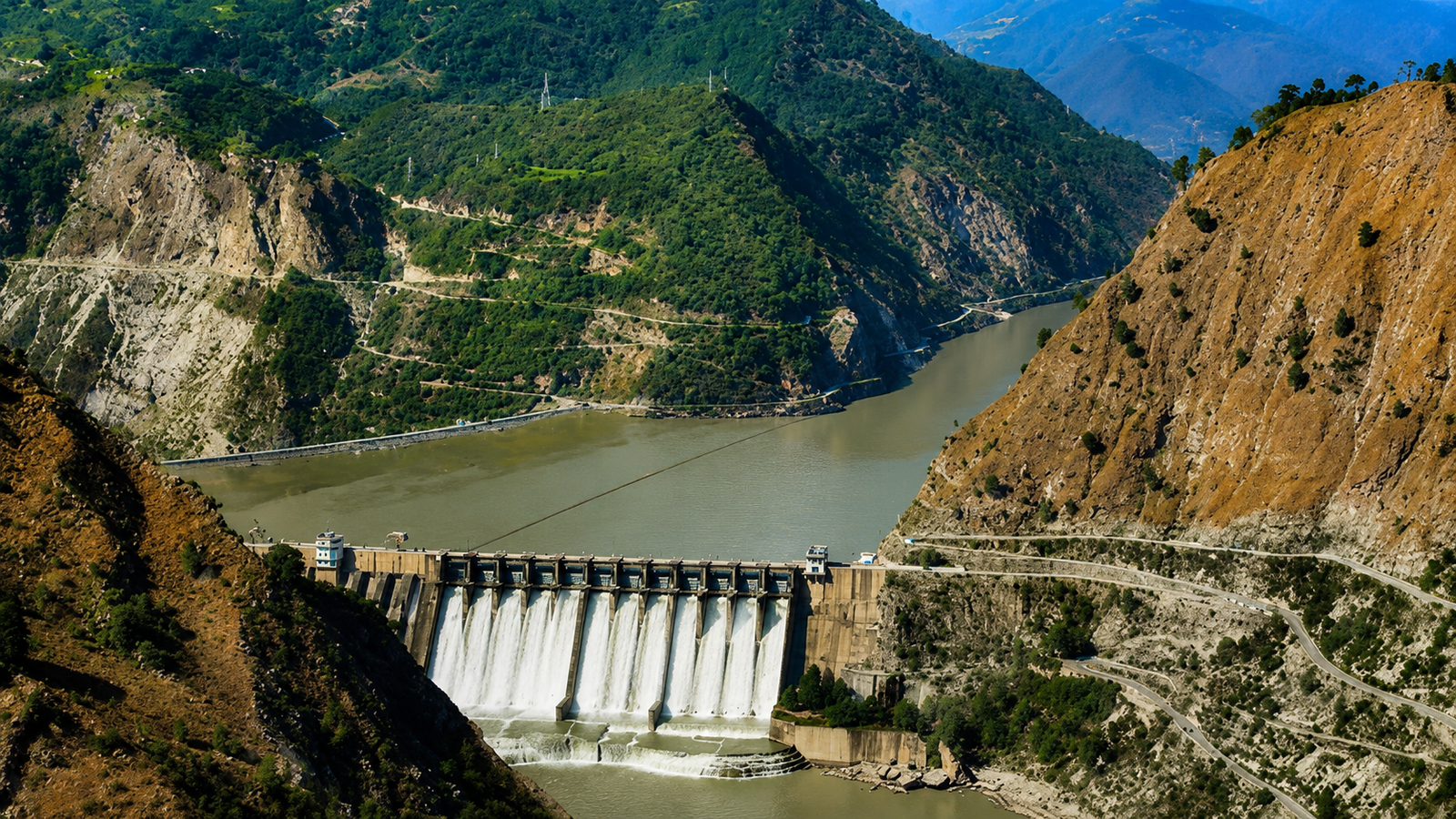
THE HAGUE: The Permanent Court of Arbitration has ruled that India must continue to comply with the Indus Waters Treaty and limit work on disputed hydropower projects in line with the water-sharing agreement with Pakistan.
The Hague-based court said the treaty remains fully in force and that India cannot unilaterally suspend or terminate its obligations under the 1960 agreement. The ruling directly affects ongoing disputes over Indian hydropower projects on rivers covered by the treaty.
According to Reuters, the court directed India to ensure that work on hydropower projects in the Kashmir region remains within the limits set by the treaty. A neutral expert appointed by the World Bank is expected to determine by July 2027 whether the relevant projects comply with treaty requirements.
The dispute has centred for years on projects including Kishenganga and Ratle, which Pakistan says must conform to strict design and operational limits under the treaty.
India has previously rejected the jurisdiction of the Hague arbitration process, while Pakistan has maintained that the Indus Waters Treaty remains a binding international agreement. The PCA had earlier rejected India’s objections to the arbitration process, allowing Pakistan’s case to proceed.
The latest ruling is significant because it reinforces the position that India cannot simply declare the treaty suspended and walk away from its obligations.
India announced the suspension of the treaty in April 2025 following a deadly attack in Kashmir. Pakistan rejected the move and said any attempt to block or divert its water supplies would be treated as a serious hostile act.
India later accelerated work on several hydropower projects in the Kashmir region after announcing the suspension, including steps aimed at expanding reservoir capacity.
What is the Indus Waters Treaty?
The Indus Waters Treaty was signed on September 19, 1960, after years of negotiations between Pakistan and India with the World Bank playing a central role in brokering the agreement.
Under the treaty, the western rivers — the Indus, Jhelum and Chenab — are primarily allocated to Pakistan, while the eastern rivers — the Ravi, Beas and Sutlej — are allocated to India.
India is permitted limited use of the western rivers, including run-of-river hydropower generation, but such projects must comply with technical restrictions set out in the treaty.
The agreement also established the Permanent Indus Commission to manage technical issues and resolve disputes between the two countries.
Despite wars, prolonged diplomatic tensions and repeated disagreements over water and hydropower projects, the treaty has remained one of the longest-standing water-sharing agreements between Pakistan and India.
The latest Hague ruling adds further legal weight to Pakistan’s position that the treaty continues to govern water-sharing arrangements between the two countries and that changes cannot be made unilaterally.
Also Read: Pakistan Urges International Law-Based Approach to Kashmir, Indus Waters Treaty