ISLAMABAD, Jun 10 (ABC):Pakistan’s nuclear technology agency is planning a new electron-beam irradiation facility in Karachi to help exporters meet international food safety and plant health requirements. The proposed project could expand market access for Pakistani agricultural products by enabling compliance with phytosanitary standards required by many importing countries.
What is the planned e-beam irradiation plant?
The Pakistan Atomic Energy Commission (PAEC) plans to establish an advanced electron-beam (e-beam) irradiation plant in Karachi.According to PAEC spokesperson and Director Dr Rashid Mahmood, the facility is intended to help exporters satisfy the phytosanitary requirements imposed by international markets. These regulations are designed to prevent the spread of pests, diseases, and harmful microorganisms through imported food and agricultural products.Electron-beam irradiation uses high-energy electrons to treat products without significantly affecting their quality. The technology is widely used for sterilisation, contamination control, and material processing in several industries.
How does food irradiation work?
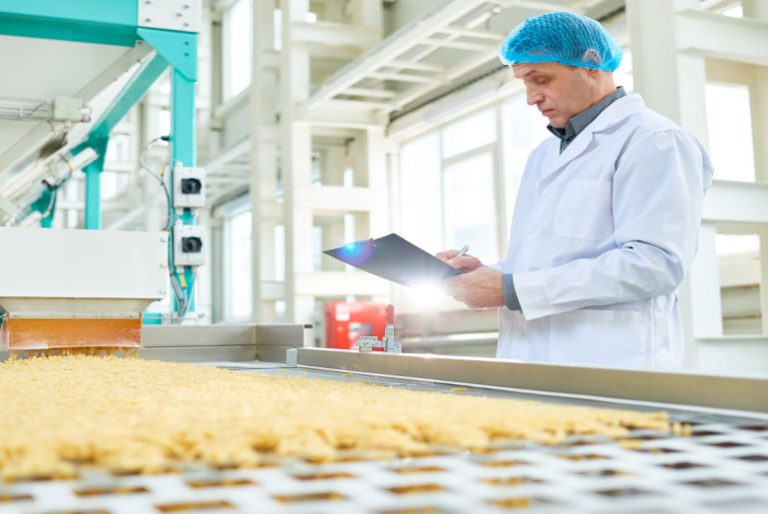
Food irradiation is a treatment process that uses controlled radiation to reduce harmful bacteria, eliminate insects and pests, and extend the shelf life of certain products.In the case of electron-beam irradiation, products are exposed to a stream of high-energy electrons generated by specialised equipment. The process is commonly used for fruits, vegetables, spices, herbs, meat products, medical devices, pharmaceuticals, packaging materials, cosmetics, and toiletries.More than 55 countries allow food irradiation as a phytosanitary treatment for specific imported goods.
Why does the project matter for exports?
Many countries require imported agricultural products to meet strict sanitary and quarantine standards. Some markets also mandate irradiation treatment for products considered at risk of carrying pests or harmful microorganisms.By providing irradiation services closer to major export hubs, the proposed Karachi facility could help exporters prepare products for shipment more efficiently. It may also support access to higher-value markets where compliance requirements are stringent.The project is particularly relevant for Pakistan’s agricultural sector, which exports products such as mangoes, spices, herbs, vegetables, frozen meat, and processed food items.
What role does the PARAS irradiation plant already play?
Pakistan already operates irradiation services through the PARAS (Pakistan Radiation Services) Irradiation Plant in Lahore. The facility uses both gamma and electron-beam technologies and has been operating since 1988.According to PAEC, PARAS can process up to 60,000 tonnes of products annually. The facility provides irradiation services for agricultural products, pharmaceuticals, medical devices, and surgical instruments.Commercial users rely on the plant to extend product shelf life and meet sanitary requirements for export markets.
Which products are currently treated before export?
PAEC says exporters of spices, herbs, seasonings, premium flours, and frozen meat use irradiation treatment at PARAS before shipping products to destinations including the United States, Australia, Canada, and countries in the Middle East.Pakistani mangoes exported to Australia also undergo quarantine treatment through irradiation. According to PAEC, approximately 110 tonnes of mangoes were exported to Australia in 2025 after being processed at the Lahore facility.The commission also says irradiation treatment has supported frozen chicken exports to Qatar by helping eliminate salmonella contamination before shipment.
Who could benefit from the Karachi facility?
Agricultural exporters are expected to be among the primary users of the proposed plant. Manufacturers of pharmaceuticals, medical devices, and surgical instruments may also benefit from additional irradiation capacity.Exporters located near Karachi and Port Qasim could gain access to treatment services closer to shipping routes, potentially reducing logistical challenges associated with transporting products to other facilities.
What happens next?
PAEC has announced plans for the Karachi e-beam irradiation plant but has not publicly disclosed a construction timeline or operational date.If developed, the facility would expand Pakistan’s irradiation infrastructure and provide additional capacity for food treatment, sterilisation services, and export compliance requirements.