
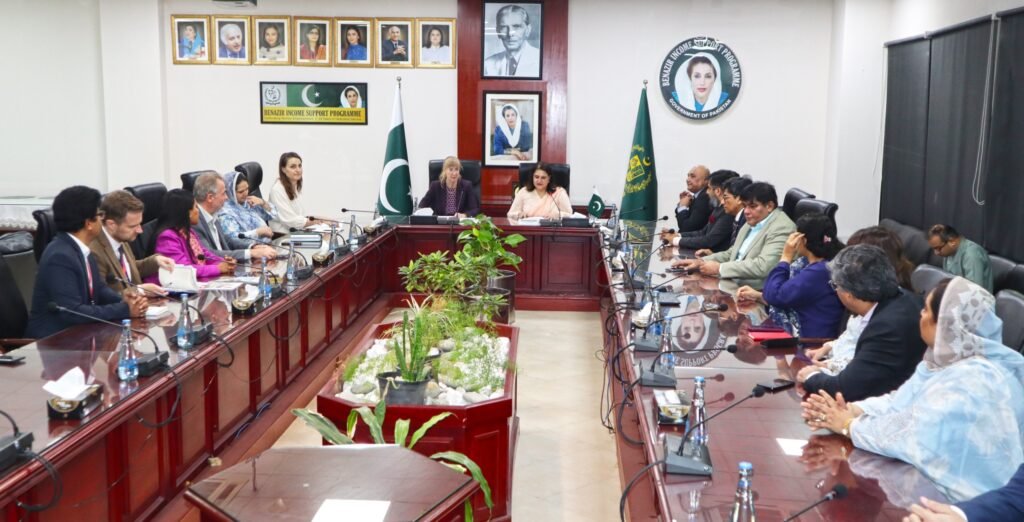
ISLAMABAD, June 4: The Benazir Income Support Programme (BISP) has expanded its mobile registration services with the addition of seven new Mobile Registration Vans (MRVs), aimed at improving access to social protection services for families living in remote and underserved areas.
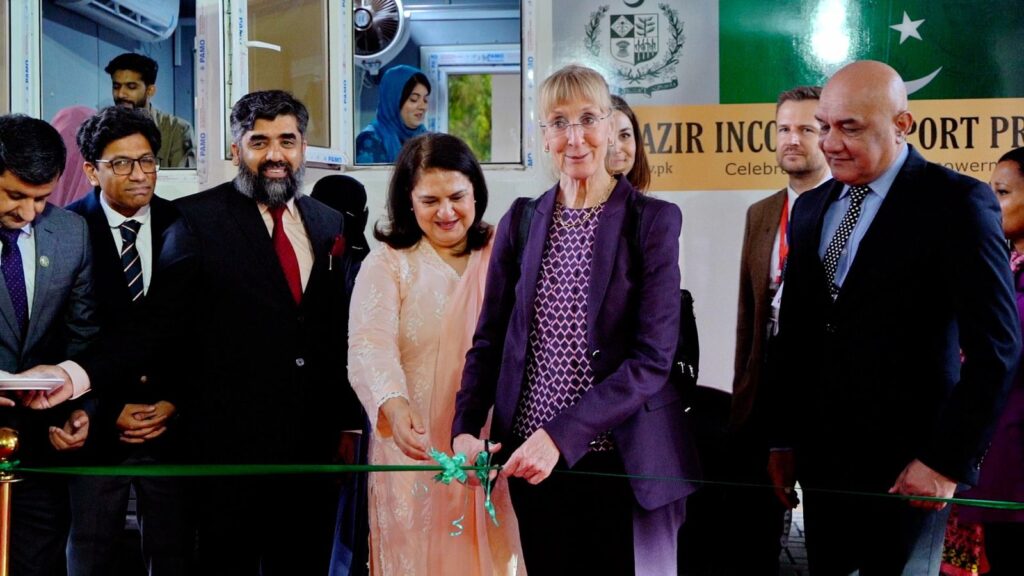
The new vehicles were inaugurated at BISP Headquarters in Islamabad by BISP Chairperson Senator Rubina Khalid and German Ambassador Ina Lepel. The vans were provided by the Government of Germany through the Federal Ministry for Economic Cooperation and Development (BMZ), with implementation support from GIZ in partnership with BISP.
With the latest addition, BISP’s fleet of Mobile Registration Vans has increased from 25 to 32. The programme said the expansion will help extend registration services to eligible households facing geographical and accessibility challenges.
According to BISP, more than 22 million households have updated their information through the programme’s 647 Dynamic Registry Centres and existing mobile registration units over the past two years. The National Socio-Economic Registry (NSER) currently contains data on 38.7 million households and supports data-sharing for 215 federal and provincial programmes.
Focus on access and digital inclusion
Speaking at the ceremony, Senator Rubina Khalid thanked the German government for its continued support in strengthening social protection initiatives. She said the mobile registration service plays an important role in reaching eligible families who may otherwise face difficulties accessing registration facilities.
The chairperson also highlighted the importance of integrating social protection programmes, improving beneficiary awareness through digital platforms and promoting financial literacy among beneficiaries.
She emphasized the need for additional Mobile Registration Vans in Azad Jammu and Kashmir and Gilgit-Baltistan to improve service delivery in geographically challenging regions.
Digital services for beneficiaries
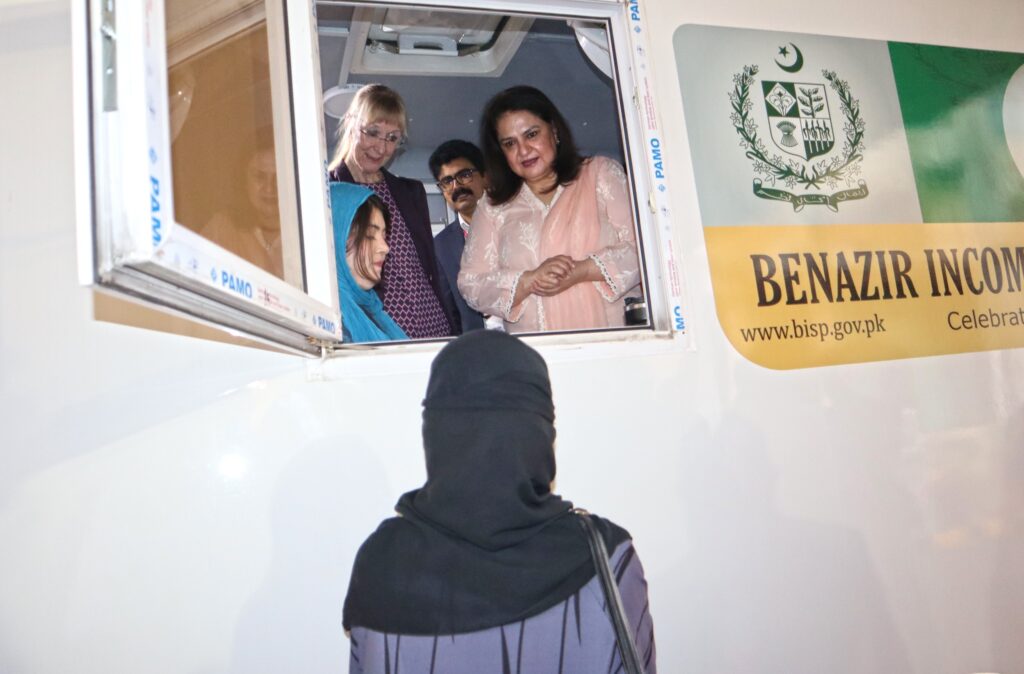
During a tour of one of the new vehicles, BISP officials briefed Ambassador Ina Lepel on the services available through the programme, including collaboration with NADRA for CNIC registration, Form-B issuance and facial recognition facilities for beneficiaries facing biometric verification issues.
The ambassador was also informed about BISP’s recently introduced Digital Wallet payment system, which aims to improve the delivery of financial assistance to women beneficiaries through a more transparent and convenient mechanism.
Ambassador Ina Lepel praised BISP’s efforts to extend social protection services to vulnerable populations and noted that the mobile registration initiative has proven particularly useful during emergencies and floods by bringing services directly to affected communities.
Senior BISP officials and representatives of the German government, BMZ, GIZ and KfW also attended the inauguration ceremony.
Also Read: BISP, WFP discuss expanding Nashonuma programme to improve maternal and child health