
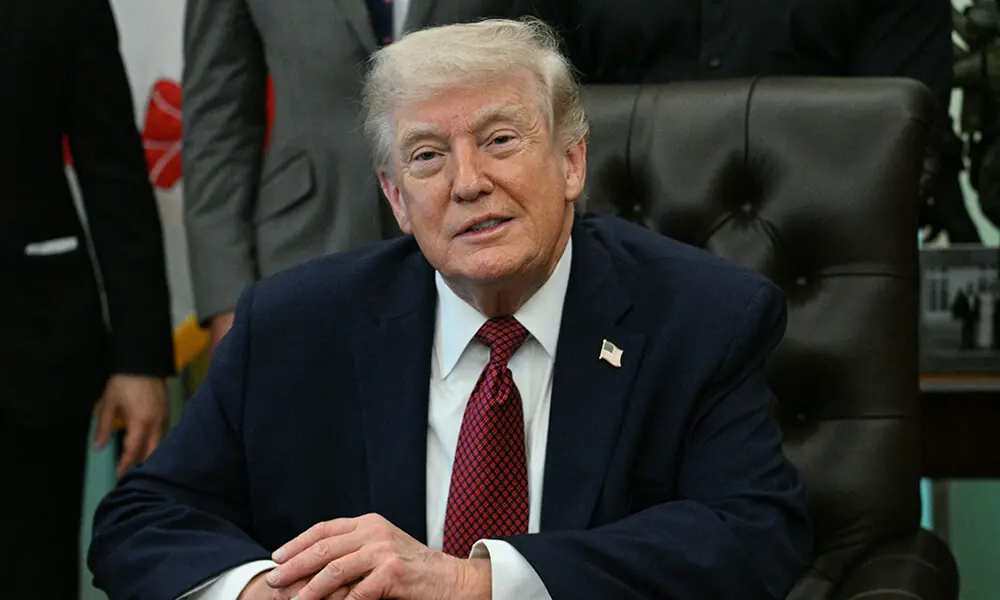
WASHINGTON/DUBAI/ISLAMABAD, April 22, 2026 — Donald Trump announced an indefinite extension of the U.S. ceasefire with Iran, as diplomatic efforts continue with support from Pakistan to prevent further escalation of the conflict.
The Trump Iran ceasefire extension follows mediation efforts led by Pakistan, where talks in Islamabad are aimed at ending a war that has killed thousands and disrupted global energy markets. It remains unclear whether Iran or Israel will formally endorse the extended pause.
Pakistan’s Prime Minister Shehbaz Sharif welcomed the move, thanking Trump for accepting Islamabad’s request to prolong the ceasefire. In a statement, he expressed hope that both sides would maintain restraint and move toward a comprehensive agreement during the next round of talks scheduled in Islamabad.
Trump said the extension would allow time for negotiations, including the submission of a unified proposal by Iranian representatives. However, he also confirmed that the U.S. Navy’s maritime blockade of Iran would remain in place.
Mixed response and continued tensions
There was no immediate official response from Tehran, though early reactions in Iranian media suggested skepticism. Iranian officials indicated that the country had not requested a ceasefire extension and warned against continued pressure measures.
Iran has criticised U.S. naval actions, including the interception of its commercial vessels, while Washington and its allies accuse Tehran of threatening maritime security in key regional waterways.
Conflict impact and regional risks
The conflict, which began on February 28 with U.S. and Israeli airstrikes, has expanded across the region, including into Lebanon following the involvement of Hezbollah.
More than 5,000 civilians have been killed and hundreds of thousands displaced, according to available estimates. The fighting has also disrupted shipping through the Strait of Hormuz, a critical global energy route, contributing to volatility in oil markets.
Talks at a critical stage
Diplomatic efforts remain fragile. JD Vance has not yet travelled to Islamabad despite earlier expectations, with U.S. officials citing ongoing policy discussions.
Iranian officials have indicated willingness to continue negotiations under certain conditions, including a reduction in pressure measures, while rejecting demands that could limit its nuclear programme.
Nuclear dispute remains central
Disagreements over Iran’s enriched uranium stockpile continue to be a key obstacle. The United States has called for restrictions to prevent weapons development, while Iran maintains its programme is for peaceful civilian use under international agreements.
The ceasefire extension, backed by Pakistan’s diplomatic efforts, comes at a critical moment as negotiations seek to determine whether the conflict moves toward de-escalation or renewed escalation.
Also read: US signals progress on Iran talks in Pakistan as ceasefire deadline nears



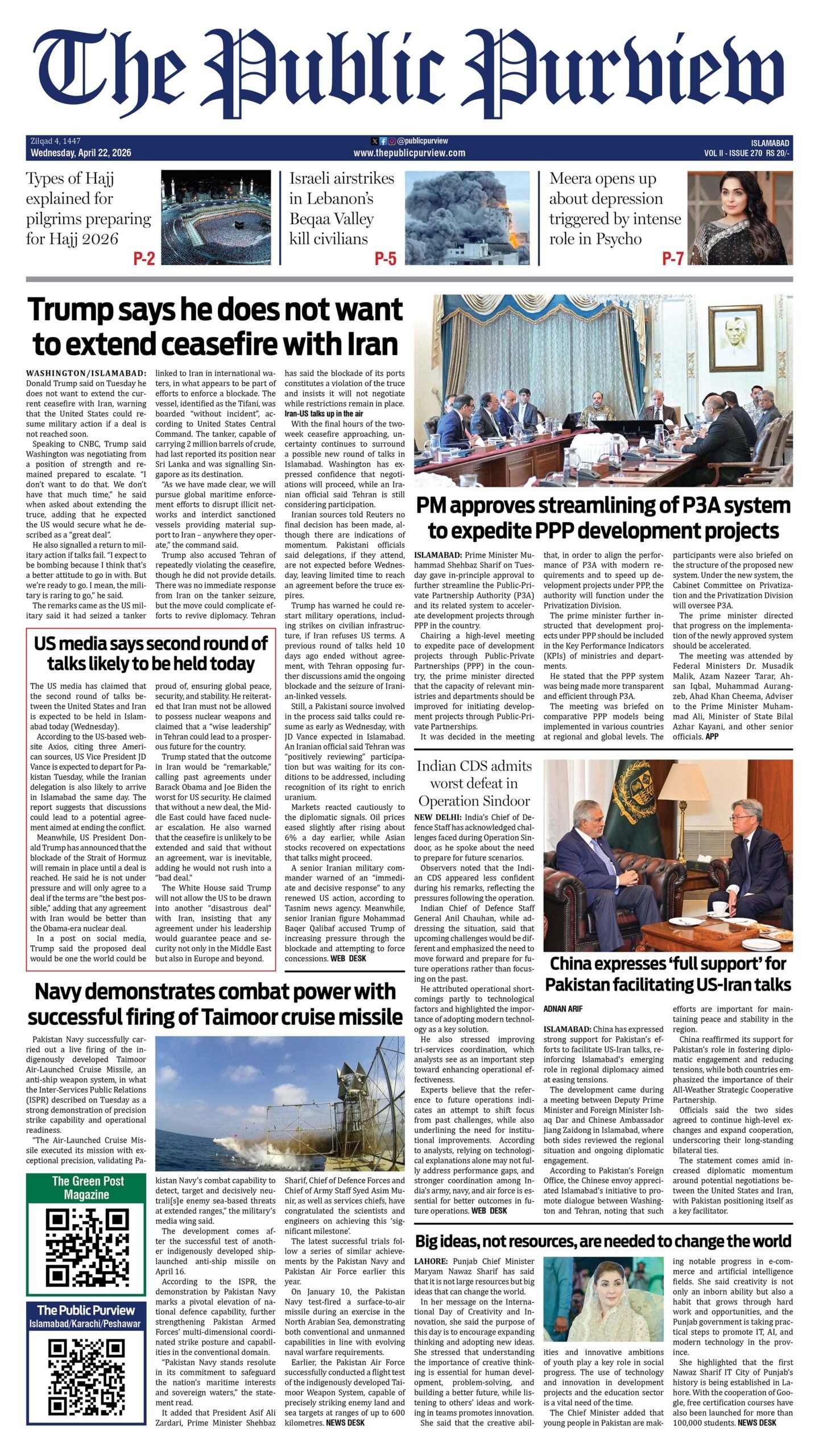 Today's E-Paper