
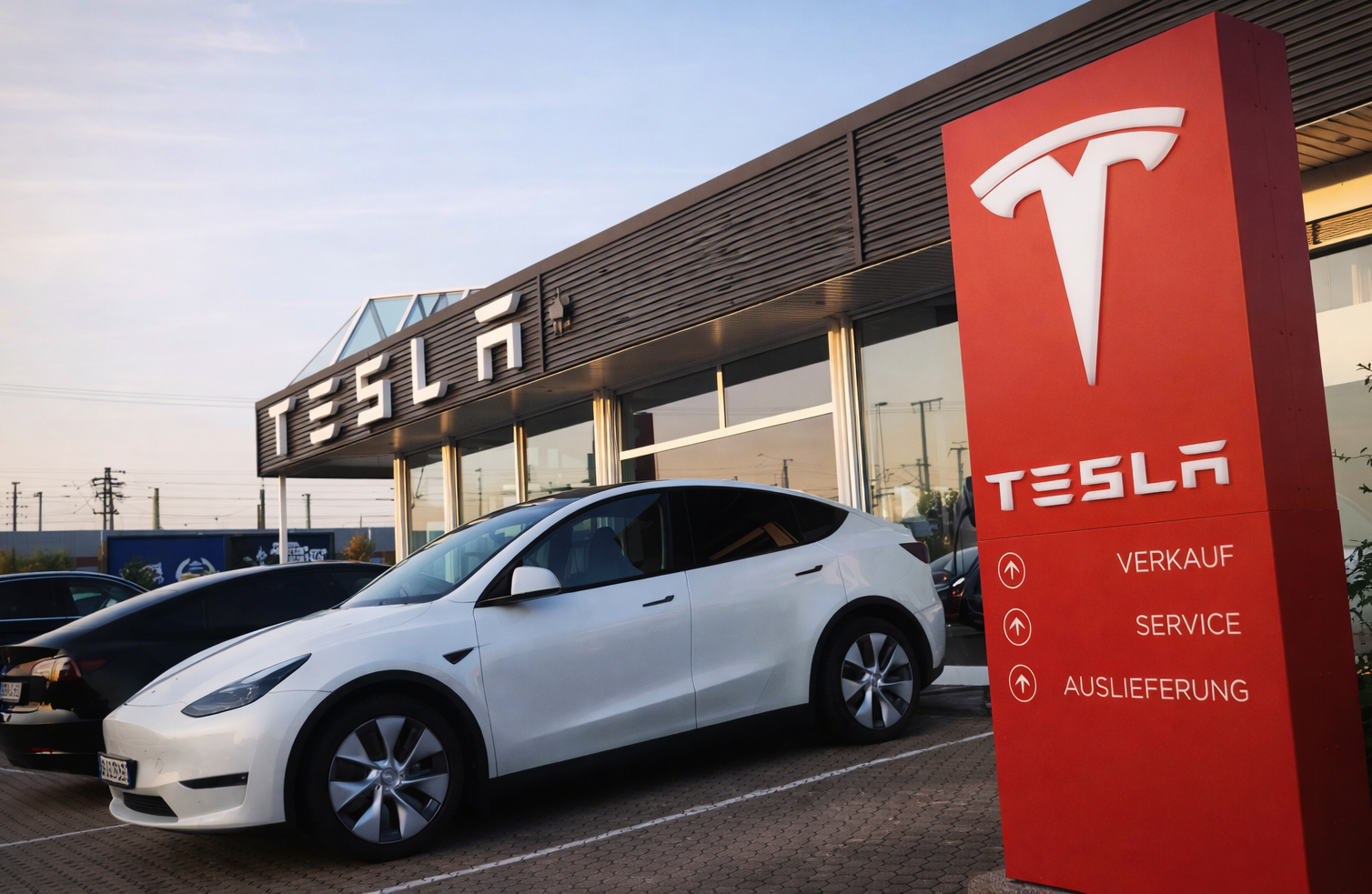
Tesla’s Europe sales slide continued in January, with the U.S. electric vehicle maker reporting a 17% year-on-year decline in registrations even as the broader regional EV market grew, according to data from the European Automobile Manufacturers’ Association (ACEA).
Tesla registered 8,075 vehicles across Europe in January, marking its 13th consecutive month of falling sales in the region. In contrast, total electric vehicle registrations in Europe — including the United Kingdom and members of the European Free Trade Association — rose 13.9% during the same period. Overall vehicle registrations, regardless of powertrain, fell 3.5%.
The weaker performance follows a difficult 2025, when Tesla’s European sales dropped 27% compared with the previous year.
BYD posts triple-digit growth in Europe in 2025 as Tesla registrations fall
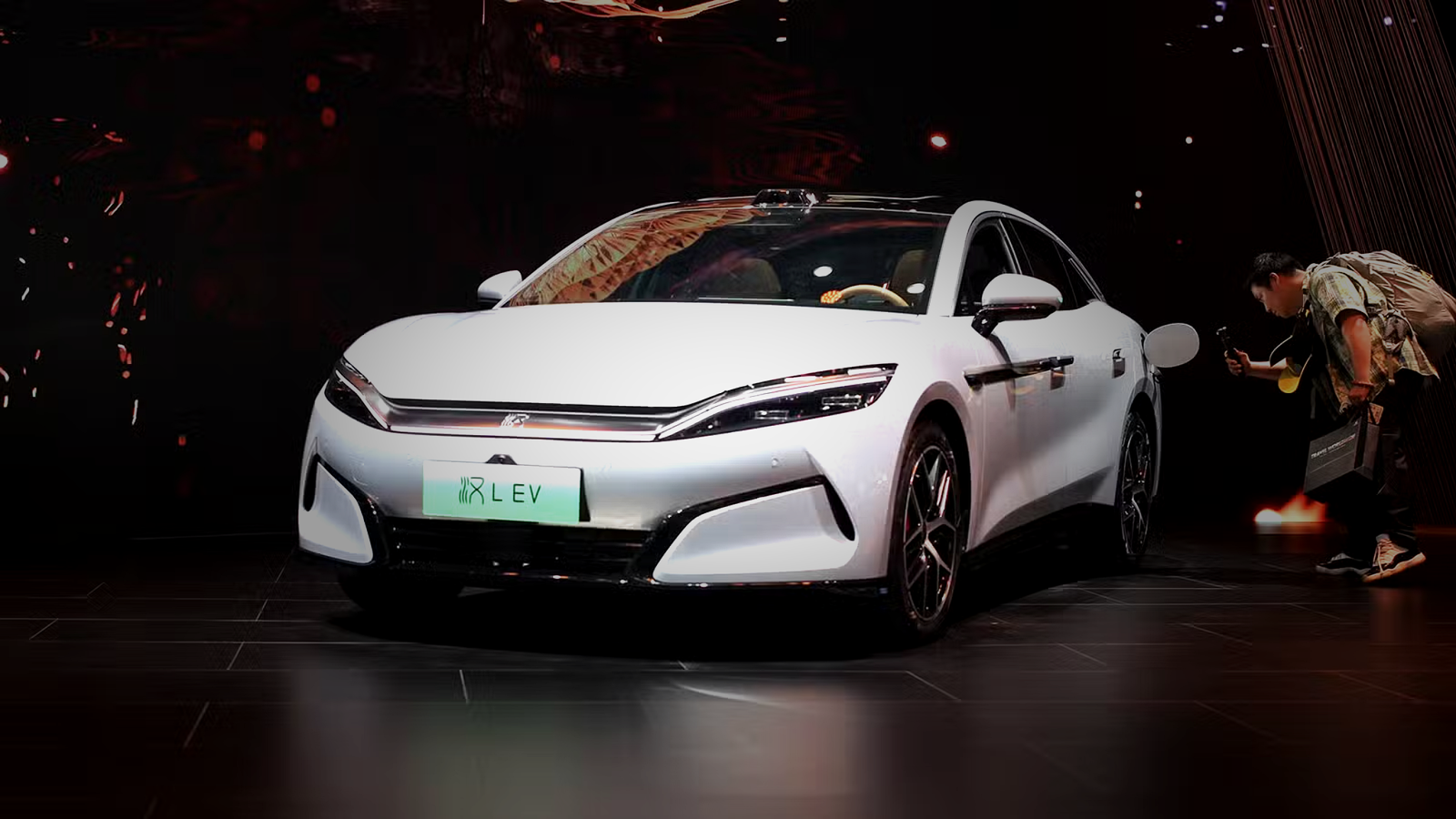
Chinese automaker BYD moved in the opposite direction. The company recorded a 165% surge in European sales to 18,242 units in January. According to reporting by The Wall Street Journal, BYD’s monthly sales in Europe have increased consistently since ACEA began tracking its figures last summer.
Growing competition in Europe’s EV market
Europe has remained one of the most competitive electric vehicle markets globally, with strong demand for lower-cost battery electric and hybrid models. Chinese brands, including BYD and Li Auto, have expanded their footprint by offering competitively priced vehicles.
Tesla faces several challenges in the region, including intensified price competition and a limited model refresh cycle. The company has not yet introduced a lower-cost mass-market EV in Europe, a segment that has seen rising consumer interest.
Brand perception has also come under scrutiny in parts of Europe, where CEO Elon Musk has faced criticism, though the company has not formally linked leadership factors to sales performance.
Broader strategic pressures
Globally, Tesla’s sales declined 9% last year after a 1% drop in 2024. The company has recently discontinued its higher-priced Model S and Model X vehicles and is increasingly focusing on autonomous driving technology, including robotaxis and its Optimus humanoid robot project.
Last week, Tesla said its first Cybercab — a purpose-built robotaxi without pedals or a steering wheel — rolled off the production line at its Giga Texas facility in Austin. The company aims to begin production in the first half of 2026.
However, expansion of Tesla’s autonomous ride-hailing services has been gradual. Robotaxi deployments in Austin and the San Francisco Bay Area have not expanded to additional locations so far in 2026. Data submitted to the U.S. National Highway Traffic Safety Administration (NHTSA) has also drawn attention to reported crash statistics involving autonomous systems.
As competition intensifies and consumer preferences shift toward more affordable electric vehicles, Tesla’s position in Europe remains under pressure.




 Today's E-Paper