
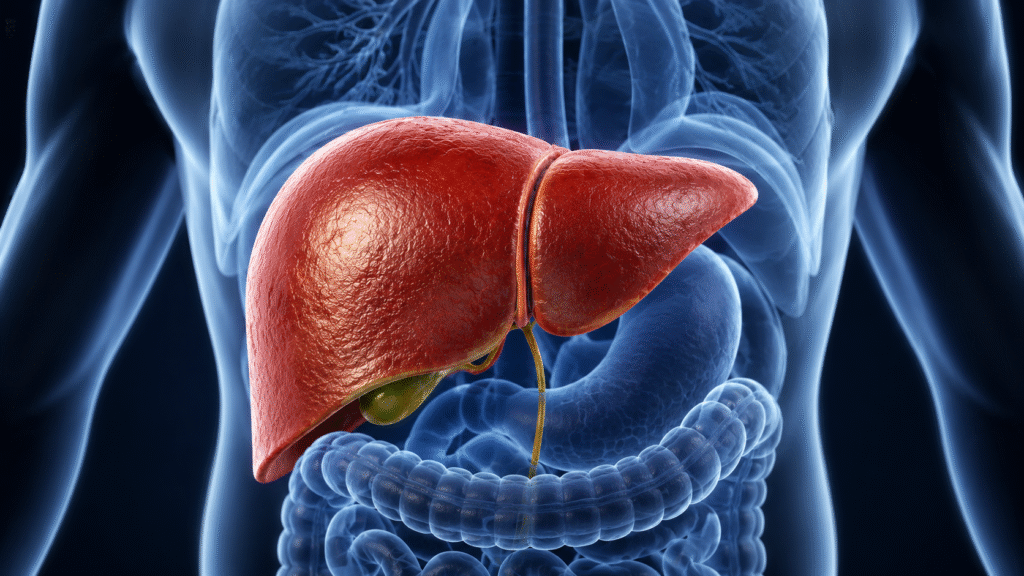
A new study has found that sorbitol, a widely used low-calorie sweetener found in many sugar-free foods, may increase the risk of metabolic dysfunction-associated steatotic liver disease (MASLD), commonly known as fatty liver disease, under certain conditions. The findings challenge the long-held assumption that sugar alcohols pass through the body without significant metabolic effects.
Sorbitol is commonly used in sugar-free candies, chewing gum, protein bars, and other reduced-sugar products. It also occurs naturally in several fruits and vegetables, particularly stone fruits such as peaches, apricots, and plums.
MASLD, previously known as non-alcoholic fatty liver disease (NAFLD), is a common liver condition linked to obesity, diabetes, and other metabolic disorders. Earlier research has shown that fructose can contribute to the development of fatty liver disease, which affects an estimated 30% of adults worldwide.
Findings from the study
Researchers at Washington University in St. Louis found that sorbitol may be converted into fructose in the liver when gut bacteria responsible for breaking down sorbitol are absent or unable to process it effectively.
According to the researchers, this process could allow sorbitol to take a metabolic pathway that contributes to fat accumulation in the liver. The findings suggest that the effects of artificial sweeteners may vary depending on an individual’s gut microbiome and overall metabolic health.
Implications for consumers
The study does not conclude that sorbitol directly causes liver disease in all individuals. However, it indicates that under specific biological conditions, the sweetener may contribute to mechanisms associated with fatty liver development.
Researchers say further studies are needed to better understand how gut bacteria influence the body’s response to sugar substitutes and what impact this may have on long-term liver health.
The findings were published in the peer-reviewed scientific journal Science Signaling.
Also Read
7 warning signs of kidney disease that should not be ignored