
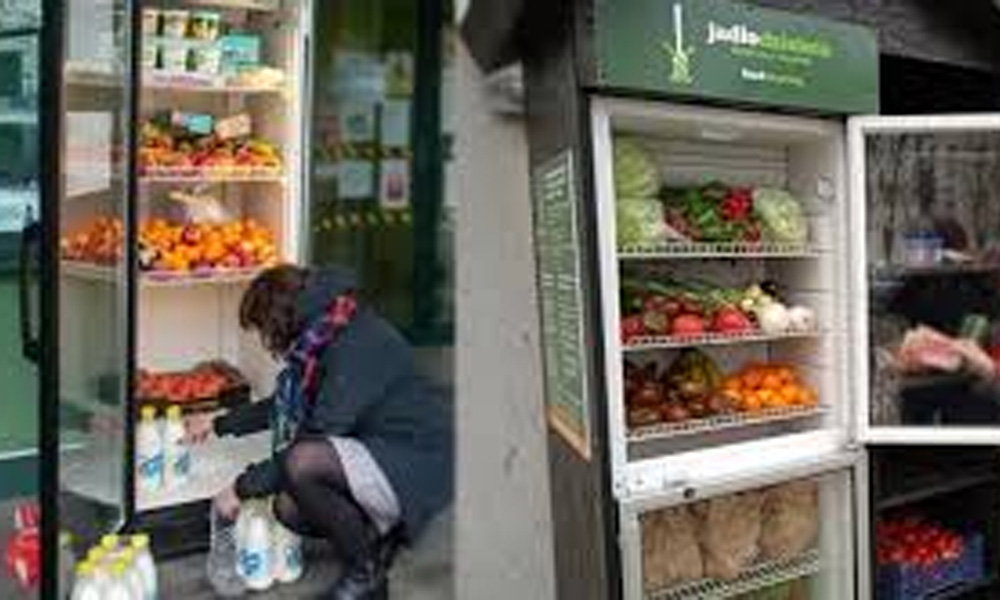
WARSAW, June 3: Thousands of people across Poland are benefiting from a network of nearly 1,600 public refrigerators that provide free food to anyone who needs it, while also helping reduce food waste.
The initiative allows individuals, supermarkets and businesses to place surplus food in publicly accessible refrigerators, where others can collect it free of charge. The project has gained attention as a community-based approach to addressing food insecurity and preventing edible food from being discarded.
The concept was developed with support from the Tech and Help Foundation, whose representatives say the project aims to make assistance more accessible and less stigmatizing for those in need.
Jan Piontek, a leading figure behind the initiative, said many people feel uncomfortable asking for help directly, while large quantities of food continue to go to waste.
Community support drives the project
According to organizers, food placed in the refrigerators is donated by supermarkets, local residents and other contributors.
In the city of Wrocław alone, around 20 public refrigerators have been installed to serve local communities.
The refrigerators are available to anyone and operate on a simple principle: people can leave food they do not need and take food when required.
Reducing waste while encouraging sharing
Residents say the project reflects a strong culture of community support, with many people choosing to donate excess food rather than throw it away.
Organizers note that the refrigerators are not used exclusively by low-income individuals. Students, families and other residents also make use of the facilities, creating a system based on sharing and mutual support.
According to Piontek, some people leave items such as biscuits and take sandwiches or other food products in return, demonstrating the cooperative spirit that has helped the initiative expand across the country.
Supporters of the project say it has become an effective way to reduce food waste while strengthening social connections within local communities
Also read
Study links high consumption of ultra-processed foods to increased dementia risk