
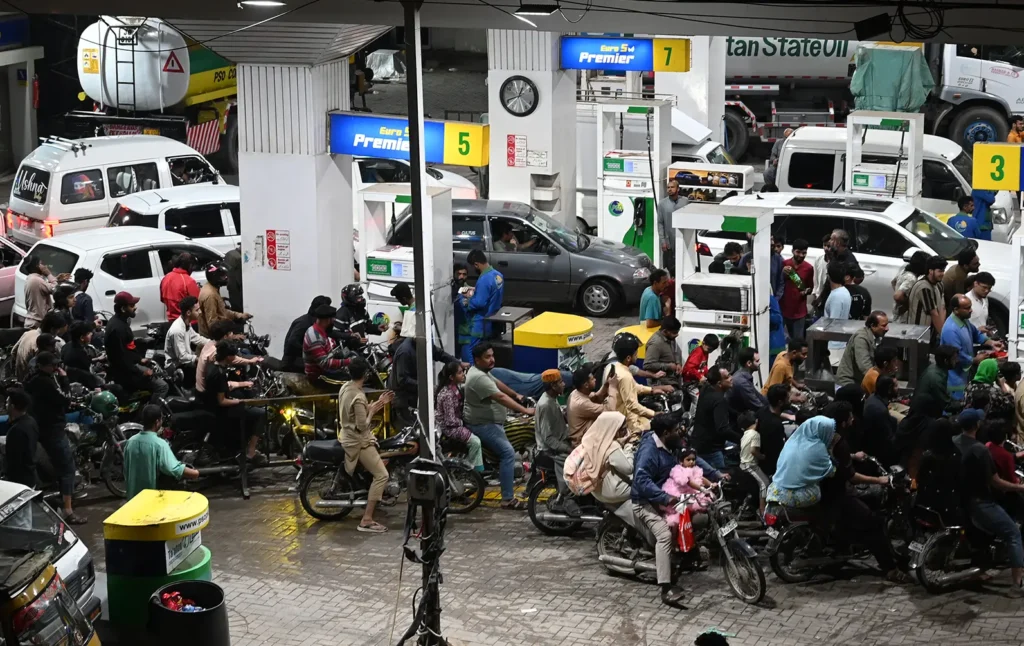
KARACHI: The Pakistan Petroleum Dealers Association has announced a nationwide closure of petrol pumps for 24 hours from 6am on Thursday, July 23, 2026, after rejecting the government’s daily fuel-pricing mechanism and demanding higher dealer margins.
The association said fuel stations would remain closed until 6am on Friday, July 24, warning that the strike could be extended if the government failed to accept its demands.
The planned shutdown raises the risk of fuel supply disruption for motorists, public transport operators and commercial vehicles. A separate petrol pump owners’ group has also announced industrial action over daily petroleum pricing, indicating broader opposition within the retail fuel sector.
Pakistan Petroleum Dealers Association Chief Adviser Malik Khuda Bakhsh announced the strike during a press conference in Karachi.
He said the association had held several meetings with the petroleum minister and the chairman of the Oil and Gas Regulatory Authority but remained opposed to determining petroleum prices every 24 hours.
Pakistan Approves Daily Petrol Price System, OGRA to Announce Rates Without Government Approval
Dealers Reject Daily Fuel Price Changes
Khuda Bakhsh demanded that petroleum prices be fixed for one month instead of being revised daily.
The government recently introduced more frequent fuel-price adjustments amid volatility in international oil markets. OGRA has published multiple petroleum price notifications during July, including rates effective from July 18 and July 21.
The dealers’ representative said the pricing mechanism created operational and financial difficulties for petrol pump operators.
He said the OGRA chairman had sought seven days to address their concerns, but the association’s executive committee rejected the request and decided to proceed with the strike.
Association Seeks Higher Dealer Margin
The association demanded that the dealers’ margin, which it said had not been increased for three years, be raised to 8%.
It also called on the government to include petroleum dealers in policy consultations, end fuel allocation restrictions imposed by oil marketing companies and eliminate fees charged on digital or card-based payments.
Khuda Bakhsh said petrol dealers had the right to participate in policy meetings because government decisions directly affected their businesses.
He said the association had decided on the shutdown after consultations among its members and would consider extending the strike if its demands remained unresolved.
Thousands of Fuel Stations Could Be Affected
Association Vice President Tariq Hassan said Karachi had around 625 petrol pumps, while approximately 3,600 stations operated across Sindh.
He estimated that between 13,000 and 14,000 petrol pumps were operating nationwide, although it was not immediately clear how many outlets would participate in the shutdown.
Khuda Bakhsh said the OGRA chairman had informed the association that daily pricing was being implemented on a trial basis and that the petroleum ministry would be notified if the system proved unsuccessful.
Tariq Hassan said oil marketing companies were required to maintain stocks for around 20 days, while dealers generally held supplies sufficient for approximately three days.
He said the association had no connection with unauthorised petrol stations and called on oil marketing companies to take action against any outlets operating illegally under their networks.
Goods Transporters Back Fuel Strike
The Pakistan Mini Mazda Goods Transport Association also announced support for the petrol dealers’ protest.
Association President Haji Sher Ali Chaudhry said Mazda goods vehicles would stop operating from midnight in solidarity with petrol pump owners.
He said frequent changes in petroleum prices were causing financial losses to transport operators and disrupting the calculation of freight charges.
The transport association urged the government to withdraw the daily fuel-pricing policy and restore a more predictable mechanism for determining petroleum product prices.