
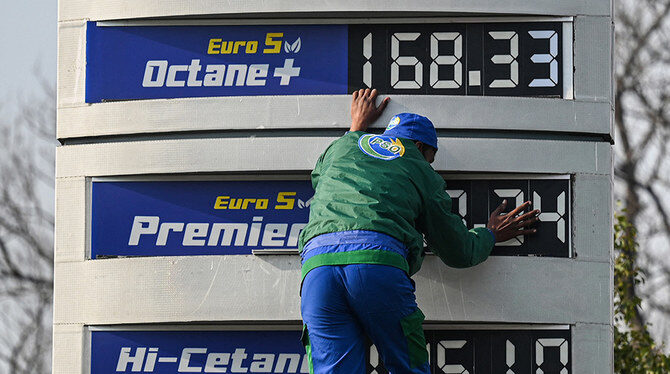
ISLAMABAD: Pakistan’s federal cabinet has approved a new daily fuel-pricing system under which the Oil and Gas Regulatory Authority will announce petrol and diesel rates without requiring prior approval from the prime minister or the federal government.
Under the new mechanism, the ex-depot prices of petrol and high-speed diesel will be calculated using the average international market rates recorded during the previous seven working days.
The decision marks a major change in Pakistan’s petroleum pricing framework, replacing periodic revisions with a system designed to reflect global market movements more quickly.
OGRA will publish the daily ex-depot prices, which represent the rates at which petroleum products are supplied from depots before dealer margins and other applicable charges are added.
OGRA May Set Petrol and Diesel Prices Daily as Pump Owners Oppose Plan
Weekend fuel prices to remain unchanged
According to the approved mechanism, the prices announced on Friday will remain effective on Saturday and Sunday.
OGRA will also publish daily Platts reference prices on its website from July 1, 2026, allowing consumers and industry participants to track the international benchmarks used in domestic fuel-price calculations.
The federal cabinet has directed the regulator to ensure immediate implementation of the new pricing system.
Petroleum levy to remain under cabinet-approved limit
The petroleum levy cannot be imposed above the maximum limit approved by the federal cabinet.
Any change in the levy rate will require approval from the Finance Division. OGRA will therefore determine daily product prices but will not have independent authority to alter the levy component.
The same daily pricing mechanism will also apply to kerosene oil and light diesel oil.
PSO to handle diesel imports
During the 2026–27 financial year, imports of high-speed diesel will be carried out exclusively through Pakistan State Oil.
Other oil-marketing companies will be allowed to import petrol according to their respective market shares.
Companies that default on import commitments or fail to lift allocated petroleum supplies may be denied fresh import permission for up to nine months.
The daily pricing system is expected to make domestic fuel rates more responsive to international oil-market movements. It may also lead to smaller but more frequent changes in petrol and diesel prices instead of larger revisions announced after fixed intervals.