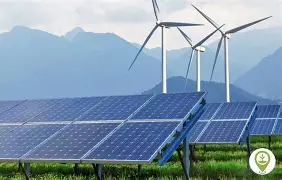
ISLAMABAD, May 11 (ABC): Pakistan has set a target to generate 95% of its electricity from renewable sources by 2040 as part of a broader strategy to reduce dependence on imported fossil fuels and modernize the national power sector. The long-term energy transition plan also aims for a 60% clean energy share by 2030 and outlines measures to expand solar, wind, hydro, and other low-carbon technologies.The strategy, outlined in an official document available with Wealth Pakistan, comes as the country faces rising electricity costs, pressure on foreign exchange reserves, and growing circular debt in the power sector.
What is Pakistan’s renewable energy target?
According to the document
Wealth Pakistan,, Pakistan plans to increase renewable electricity generation to 50% by 2035 before reaching 95% by 2040. The broader goal is to transition toward a majority-renewable energy economy by 2050.The plan includes phasing out or converting 14,000 megawatts of fossil fuel-based power plants by 2035. It also proposes large-scale investment in renewable energy infrastructure, energy storage systems, and modernization of the electricity grid.Renewable energy sources identified in the strategy include solar, wind, hydropower, and biomass.
Why does the transition matter?
Pakistan currently relies heavily on imported fossil fuels for electricity generation. The document says this dependence has contributed to economic challenges, including pressure on foreign exchange reserves and a widening balance of payments gap.The country’s power sector is also dealing with circular debt exceeding Rs1.66 trillion. Circular debt refers to the accumulation of unpaid financial obligations within the energy supply chain, often caused by high generation costs, transmission losses, and delayed payments.Volatile global fuel prices and currency depreciation have further increased electricity generation costs, contributing to higher consumer tariffs and payments for underutilized power capacity.The transition toward domestic renewable energy is intended to reduce fuel imports, lower long-term electricity costs, and improve energy security.
What changes are planned for the power sector?
The strategy includes measures to improve the efficiency and reach of Pakistan’s electricity system.Transmission and distribution losses are targeted to decline from 19% to 8%. The government also aims to achieve universal electricity access across the country.The document proposes installing rooftop solar systems in all government secondary schools by 2035. It also highlights plans to support small businesses and entrepreneurs working in solar, wind, and hydrogen technologies to encourage job creation and technical skills development.
How is solar energy expanding in Pakistan?
Pakistan has seen rapid growth in solar energy adoption in recent years, driven partly by rising electricity tariffs and falling solar panel prices.The document cites an April 2025 report stating that Pakistan imported 17 gigawatts of solar power systems in 2024, double the previous year’s level. The report described Pakistan as the world’s third-largest importer of solar panels during that period.The increase reflects growing demand from households, businesses, and industries seeking alternatives to grid electricity.
What happens next?
Achieving the targets outlined in the strategy will require substantial investment in renewable energy projects, grid upgrades, and energy storage technology.The document also emphasizes the importance of maintaining grid reliability as Pakistan expands renewable power generation and gradually electrifies sectors such as transport.Implementation timelines, financing arrangements, and regulatory reforms are expected to play a central role in determining how quickly the transition progresses.