
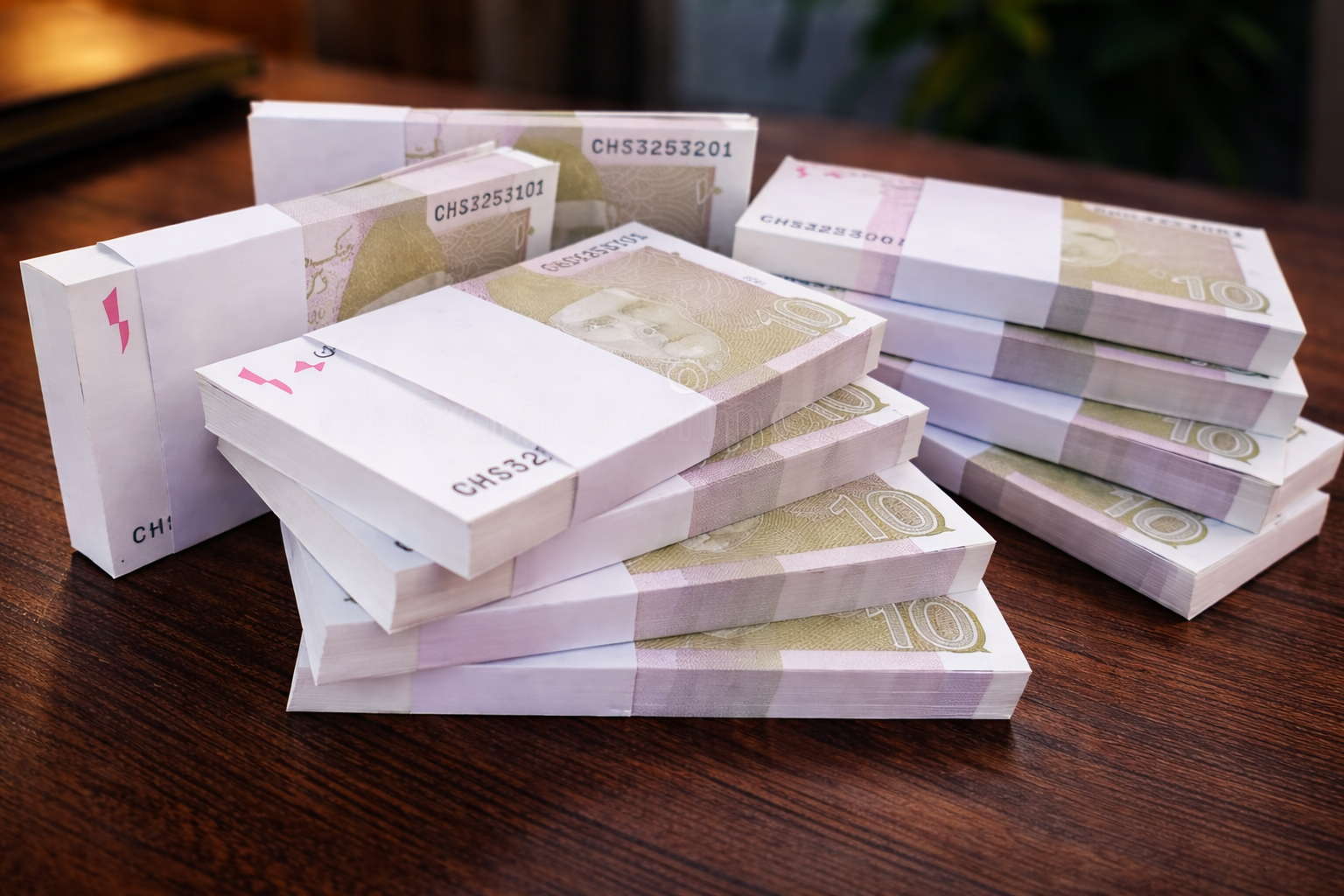
ISLAMABAD: The federal cabinet is considering a proposal to replace the Rs10 currency note with a Rs10 coin as part of a broader currency management reform aimed at reducing printing and replacement costs. Officials say the move could save an estimated Rs40 to Rs50 billion over the next 10 years.
The proposal was presented in a comprehensive report prepared by the State Bank of Pakistan and the Security Printing Corporation of Pakistan. A high-level committee headed by the finance minister submitted the report to the cabinet for in-principle approval.
According to the findings, the average lifespan of a Rs10 note is between six and nine months due to heavy circulation, while a Rs10 coin can remain in use for 20 to 30 years. Nearly 35 percent of the total currency notes printed annually consist of Rs10 notes, significantly increasing recurring production and replacement costs.
Officials estimate that the annual expense of printing, distributing and replacing Rs10 notes ranges between Rs8 and Rs10 billion. While minting coins involves higher initial costs, they require far less frequent replacement, resulting in substantial long-term savings.
The report proposes that the central bank gradually phase out the printing of Rs10 notes over a three-year period under the legal framework of the State Bank Act. The Rs10 coin was first introduced on October 24, 2016, and remains in circulation alongside paper notes.
Also Read: Pakistan to redesign all currency notes; old cash to remain valid
Several countries, including the United Kingdom, Canada and Australia, have already replaced low-denomination notes with coins to improve durability and reduce costs. Officials also noted that lowering currency printing volumes aligns with green banking and sustainability initiatives by reducing paper consumption and production expenses.
The cabinet is expected to deliberate further before making a final decision on the proposal.





 Today's E-Paper