
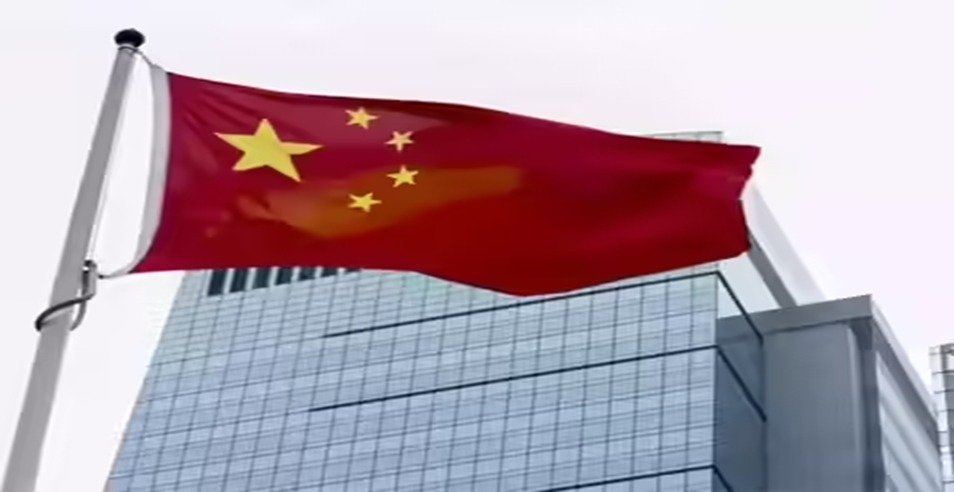
ISLAMABAD, March 19 — China’s newly unveiled 2026-30 industrial strategy presents valuable lessons for Pakistan to transform its Special Economic Zones (SEZs) into dynamic, export-oriented manufacturing hubs. This transformation can be achieved through improved infrastructure, strategic industrial planning, trade facilitation, and stronger linkages between industry, technology, and investment.
The strategy was outlined during China’s annual legislative session when the National Development and Reform Commission presented its report on the 2025 plan and the draft for 2026. According to the documents, the 2026 plan marks the first year of the 15th Five-Year Plan, focusing on high-quality development, expansion of domestic demand, enhanced supply capacity, and the development of advanced productive forces.
China’s advancements in logistics are also noteworthy. By 2025, logistics costs as a percentage of GDP fell to 13.9%, signaling that improvements in logistics, distribution networks, and market connectivity are integral to industrial growth and trade facilitation.
For Pakistan, this integrated approach is crucial. Simply allocating land and offering tax incentives to SEZs will not suffice. To succeed, SEZs must have reliable energy supply, efficient customs procedures, transport connectivity, skilled labor, and a coherent export-oriented industrial strategy.
Dr. Hassan Daud Butt, Senior Advisor at the China Energy Engineering Corporation, emphasized the need for sector-focused clusters within Pakistan’s SEZs. He argued that these zones should encourage technology adoption, value addition, and export diversification. Without these efforts, SEZs risk remaining generic industrial estates with weak logistics and limited integration with Pakistan’s export strategy.
Experts like Engr. Ahad Nazir, Program Manager at the Sustainable Development Policy Institute, stress the importance of connecting technological development with industrial production. China’s policy places science, frontier technologies, and talent development at the center of industrial growth, which Pakistan could learn from to foster domestic technological innovation.
Asad Ullah Khan, Research Fellow at the China Pakistan Study Center, further pointed out that Pakistan needs stronger policy reforms to attract investment in SEZs. This includes consistent policies, reliable energy, infrastructure development, and improving facilitation for technology transfer through partnerships with foreign firms.
The core takeaway from China’s approach is that industrial zones thrive when infrastructure, policy, and trade systems are harmonized. Pakistan’s SEZs have struggled with delayed infrastructure, weak facilitation, and limited alignment with export objectives.
Shifting focus to sector-specific zones—such as engineering goods, electronics, pharmaceuticals, agro-processing, and renewable energy components—could align SEZs more closely with Pakistan’s export goals. By integrating these targeted reforms, Pakistan’s SEZs could become engines of value addition and sustainable export growth, a strategy seen in China’s industrial success.