
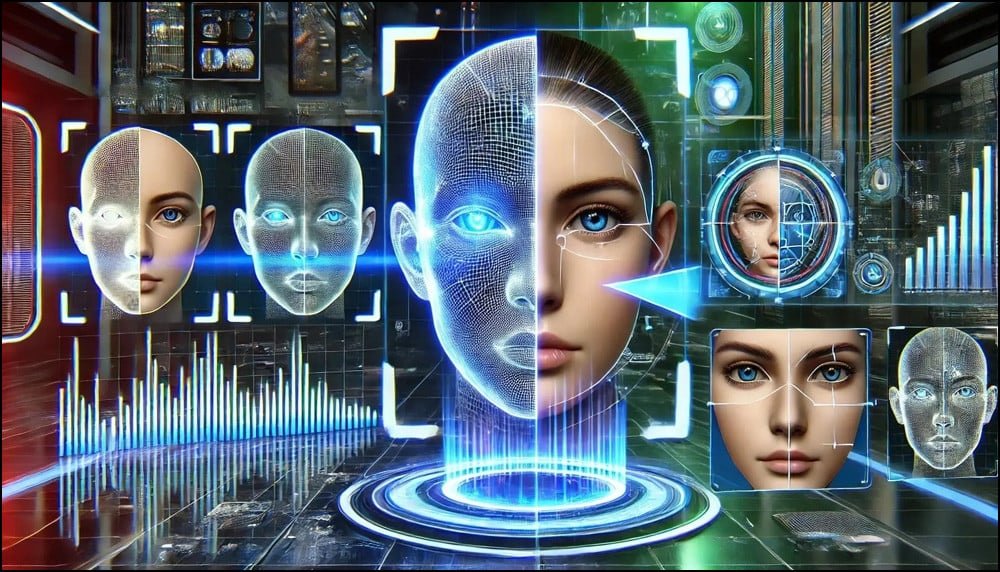
Artificial intelligence is making fake videos, images and audio increasingly difficult to distinguish from authentic content, raising concerns about fraud, misinformation and the misuse of people’s identities.
Deepfake technology can replicate a person’s face, voice, movements and speaking style using generative AI and deep-learning systems. The technology can create highly convincing content from existing photographs, videos and audio samples, making digital awareness increasingly important.
Deepfakes Go Beyond Video
Deepfakes are not limited to manipulated videos. AI can also be used for voice cloning, where a person’s tone, pronunciation and speaking patterns are replicated from relatively short audio samples.
This capability can be exploited in scams. Criminals may imitate the voice of a relative, friend, official or company representative to pressure victims into sharing money, passwords, one-time passwords or other sensitive information.
Signs That a Video May Be Fake
Several visual inconsistencies can provide clues that a video has been manipulated. These may include lip movements that do not match the audio, unnatural facial expressions, unusual eye movements or blinking, and movements of the head and neck that do not appear consistent with the rest of the body.
Distortions around the face, hands or fingers can also be warning signs. In some cases, skin may appear unnaturally smooth, while lighting and shadows may not correspond naturally with the person or surrounding environment.
Audio can provide additional clues. Sudden changes in tone, unnatural pauses, unusual pronunciation or a robotic-sounding delivery may indicate that a voice has been artificially generated or modified.
Can the Three-Finger Test Detect Deepfakes?
Some experts have suggested asking a person on a video call to hold three fingers in front of their face as a quick way to look for visual glitches.
Certain face-swap systems may struggle with sudden movements involving the hands and face, potentially producing visible distortions. However, this is not a definitive or foolproof test. Modern AI systems can increasingly handle such movements, so the technique should only be considered an initial check rather than proof that a person is genuine.
How to Avoid Deepfake Scams
People should independently verify suspicious calls, videos, messages and links before taking action. Unverified links received through social media or messaging platforms should be treated cautiously.
If someone urgently requests money, a password, OTP or verification code through a phone or video call, their identity should be confirmed through a separate trusted channel.
Personal information, banking details and passwords should never be shared simply because a caller’s face or voice appears familiar. The ability to convincingly imitate familiar people is one of the key risks posed by deepfake technology.
What to Do After a Deepfake Scam
Anyone who believes they have been targeted by a deepfake or AI-enabled scam should preserve relevant evidence, including screenshots, links, phone numbers, messages, recordings and chat history.
The incident should also be reported to the relevant cybercrime authorities or police. If fraudulent material has been posted online, users can report it through the platform’s official reporting system.
As AI-generated content becomes more widespread, identifying deepfakes will require both technological tools and greater digital awareness. Verifying sensational videos, audio clips and urgent requests before sharing or acting on them remains an important way to reduce the risk of fraud and misinformation.
Also Read : Green Foods Aren’t Always Healthy: What You Should Know