
ISLAMABAD: Pakistan’s worsening climate vulnerability is increasing calls for stronger early warning systems and modern forecasting infrastructure, with experts pointing to China’s climate monitoring model as a potential roadmap for improving disaster preparedness and reducing economic losses.
The discussion comes as Pakistan continues to face recurring floods, heatwaves and extreme weather events that have placed growing pressure on national disaster response systems. Experts say integrated climate monitoring, real-time forecasting and institutional coordination are becoming increasingly critical for protecting vulnerable communities.
The urgency of the issue was highlighted by the devastating 2022 floods, which affected around 33 million people and displaced more than 8 million across Pakistan. According to World Bank estimates, annual flood-related losses in the country average nearly $1 billion, while the 2022 disaster alone caused damages exceeding $14.9 billion and economic losses of approximately $15.2 billion.
China expands advanced climate monitoring infrastructure
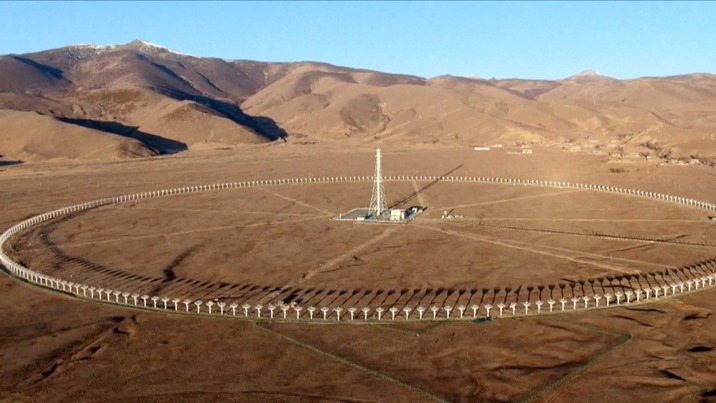
China has developed one of the world’s largest integrated climate monitoring systems by combining land, sea, air and satellite-based observation networks.
According to China’s Ministry of Ecology and Environment, the country now operates more than 90,000 automatic meteorological stations, multiple Fengyun satellites and an extensive weather radar network capable of real-time climate monitoring and multi-layered forecasting.
In April 2026, China inaugurated its 27th national climate observatory in Xiong’an New Area, where a central station and supporting facilities continuously feed meteorological data into a cloud-based platform designed to strengthen forecasting and early warning services.
Experts say the system demonstrates how integrated technology and coordinated data-sharing can improve climate resilience and emergency response.
Pakistan faces major gaps in weather monitoring
Pakistan’s weather and disaster monitoring infrastructure remains limited in several high-risk regions, according to experts and international assessments.
A 2025 World Bank Crisis Preparedness Gap Analysis found that functional radar coverage currently extends to less than half of Pakistan’s territory, while meteorological observatories exist in only 97 out of 170 districts. Automatic weather stations are operating in just 40 districts nationwide.
Under the World Bank-backed IFRAP programme, Pakistan plans to install four additional weather radars and 110 automatic weather stations by 2028. Experts, however, say institutional coordination and system integration remain major challenges.
Experts call for technology cooperation and local coordination
Dr. Rizwan Rasheed, Assistant Professor of Environmental Science and Sustainability at Government College University Lahore, said Pakistan could benefit from technology cooperation and technical training linked to China’s climate systems, but stressed that long-term economic sustainability would remain essential.
Junaid Iqbal Awan of the Strengthening Participatory Organization said Pakistan should prioritise monitoring infrastructure in glacier-fed valleys, flood-prone river basins and coastal areas. He also highlighted the importance of stronger data-sharing mechanisms among institutions such as the Pakistan Meteorological Department, Water and Power Development Authority and the National Disaster Management Authority.
Experts also stressed the role of artificial intelligence, cloud-based forecasting and community-level observation systems in improving weather prediction and emergency preparedness.
Communities seen as key part of climate resilience
Specialists noted that residents in areas such as Chitral, Hunza and Skardu often identify environmental changes before official warnings are issued.
Experts suggested formalising local observation networks and introducing mobile-based reporting tools to improve coordination between communities and disaster management agencies.
Officials and analysts say Pakistan’s ability to strengthen climate resilience in the coming years will depend on sustained investment, integrated forecasting systems and stronger cooperation in climate science and early warning technologies.
Also read: Pakistan needs disciplined project planning to match China’s execution model, experts say