
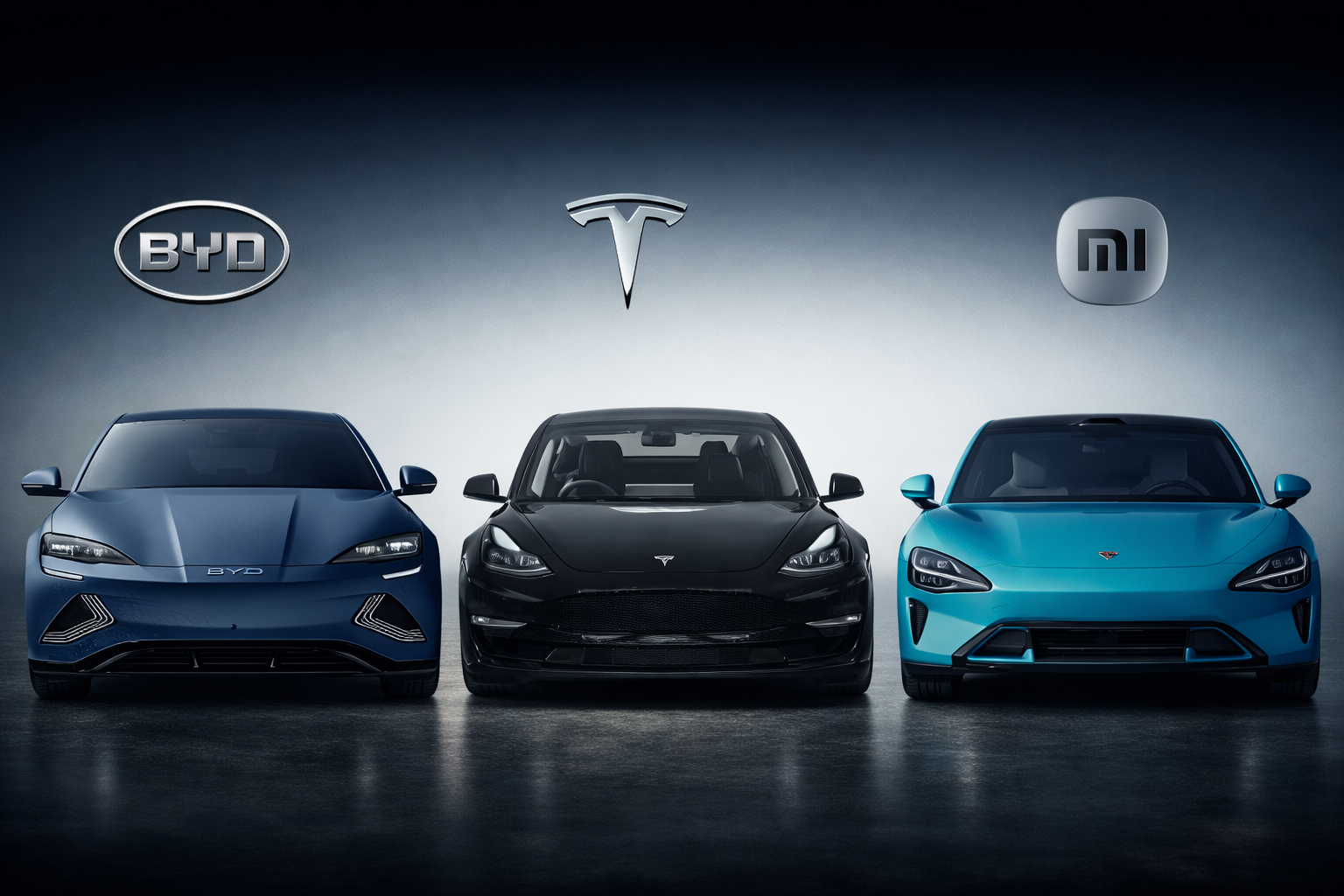
Major carmakers in China, including BYD, Tesla and Xiaomi, have launched extended seven-year low-interest loan programs as the country’s auto market opened 2026 with weaker retail and wholesale sales. The move marks an intensifying price-war evolves phase, as automakers seek to stimulate demand amid a January sales slowdown.
According to data released by the China Passenger Car Association (CPCA), January 2026 retail passenger vehicle sales fell about 13.9% year-on-year to roughly 1.544 million units. New energy vehicle (NEV) retail sales declined 20% compared with January 2025 to around 596,000 units, with NEVs accounting for about 38% of total retail sales.
Extended financing campaigns
On February 25, BYD’s Ocean Network sales division announced a promotional campaign offering up to seven-year low-interest loans, zero down payment options and daily payments starting from 29 yuan (about $4) on several models, including the Seal, Sealion, Dolphin and Seagull series. The offer runs through March 31, 2026.
A day earlier, BYD’s off-road sub-brand Fangchengbao introduced a similar program covering the Bao 5 long-range version and Tai 7 lineup. The package includes seven-year loans with interest rates as low as 1.5% and a minimum down payment of 32,000 yuan (about $4,420).
Other manufacturers, including Tesla, Xiaomi EV, Nio and brands affiliated with Geely, have also introduced extended low-interest financing in recent weeks.
January sales performance
CPCA data showed divergent trends across the sector. While overall NEV wholesale volumes edged up about 1% year-on-year to approximately 900,000 units in January, they dropped 42% from December 2025 levels, reflecting a post-policy adjustment after the expiration of the full NEV purchase tax exemption at the end of last year.
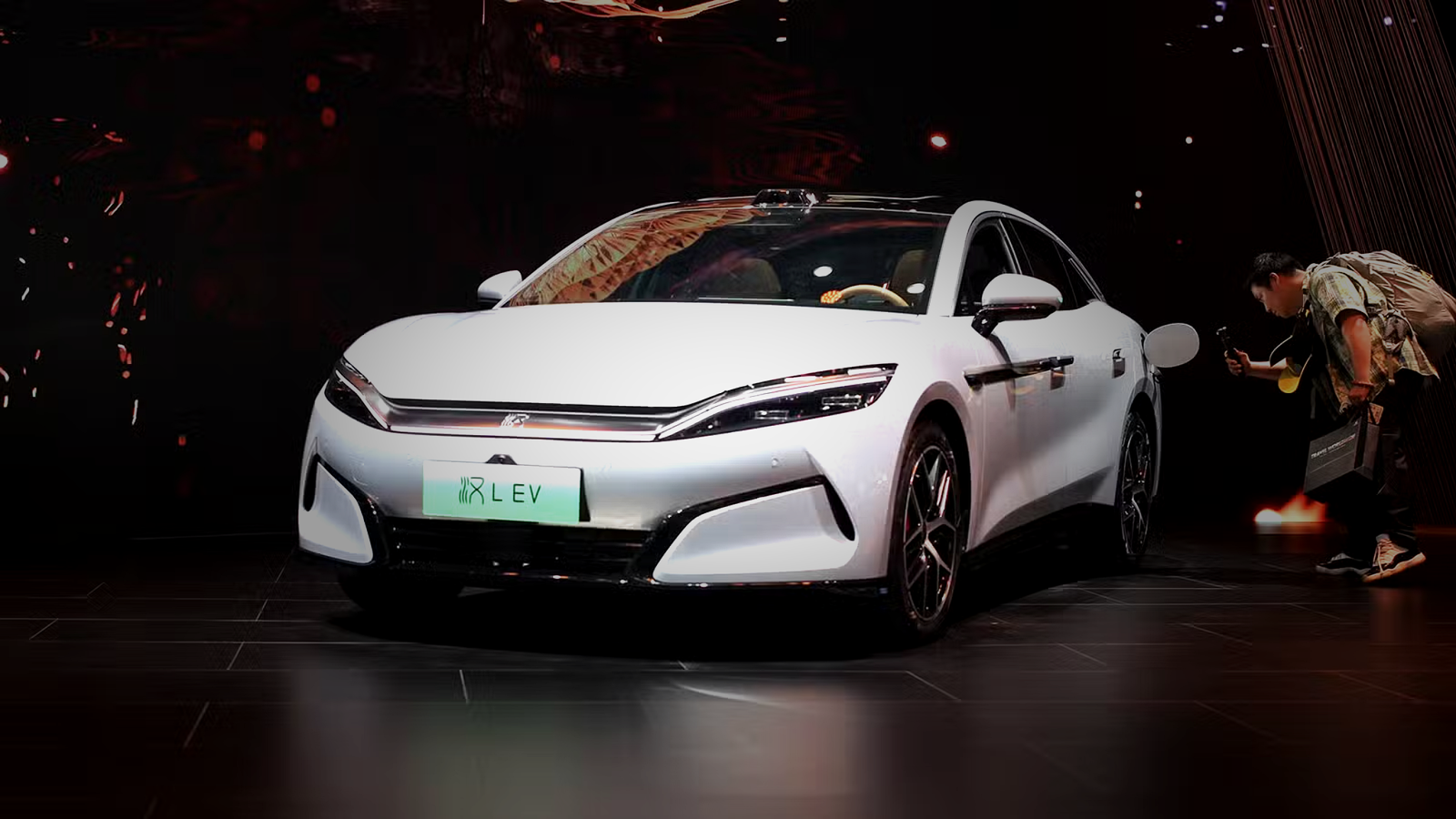
BYD’s January wholesale deliveries were reported at around 205,500 units, down roughly 30% year-on-year, with pure electric vehicle shipments also declining. In contrast, some startups, including Xiaomi EV and Leapmotor, recorded year-on-year growth in January deliveries.
BYD’s January slump deepens as China EV giant posts fifth straight sales decline
Analysts noted that January results were influenced by the timing of the Lunar New Year, the end of tax incentives and seasonal demand patterns. They cautioned that early-year data can be volatile and may not fully reflect longer-term demand trends.
With showroom traffic under pressure, extended financing has emerged as a key strategy for automakers aiming to sustain first-quarter sales momentum in the world’s largest auto market.




 Today's E-Paper