
Monitoring Desk
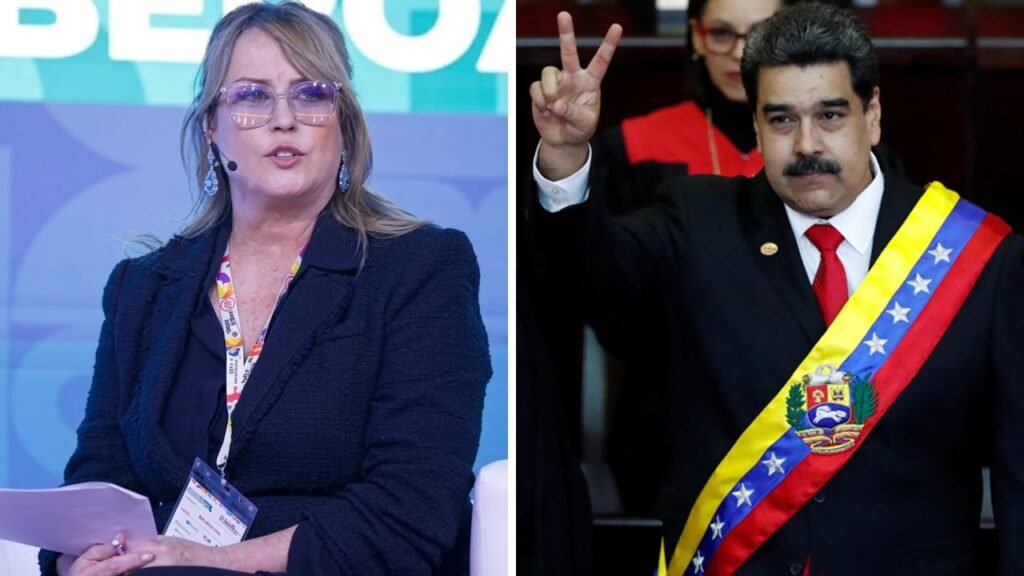
CARACAS: Venezuelan authorities have stepped up scrutiny of business interests linked to Mireya Blavia de Cisneros, widow of late Venezuelan tycoon Oswaldo Cisneros, with officials raising questions over alleged tax liabilities, investment commitments and the management of assets spanning telecommunications, oil and real estate.
Senior Venezuelan officials have alleged that companies associated with the Cisneros family failed to fulfil investment commitments while extracting substantial revenues from major businesses. The allegations include claims concerning Digitel, one of Venezuela’s major telecommunications operators, as well as the family’s interests in the oil sector.
The allegations have not been independently established, and representatives of the Cisneros interests have disputed aspects of the government’s claims.
Oswaldo Cisneros built a major position in Venezuela’s telecommunications sector through Digitel. Following his death in 2020, his widow and heirs became involved in managing the family’s interests. Venezuelan officials have since raised questions about Digitel’s infrastructure investment, commercial obligations and broader management.
Authorities have also focused on the family’s involvement in Petrodelta through DP Delta Finance. According to reports citing Bloomberg, Cisneros acquired a minority stake in the venture in 2016 and committed about $1.13 billion in financing aimed at increasing oil production to as much as 115,000 barrels per day.
Production, however, remained far below that target. Data cited by Bloomberg showed output at about 9,000 barrels per day in July 2026. Venezuelan authorities subsequently revoked DP Delta’s minority participation, citing unmet investment and production commitments.
DP Delta has challenged the government’s action and has itself claimed that Venezuela’s state oil company, PDVSA, owes it substantial sums. Reports citing the company say the project generated revenues for the Venezuelan state while its services subsidiary also faced unpaid bills.
Officials have separately raised questions about inheritance and tax obligations following Oswaldo Cisneros’s death. One government source alleged that Venezuela’s tax authority, SENIAT, valued the estate at more than $10 billion and calculated a potential inheritance-tax liability exceeding $3 billion. The same source alleged that irregular adoptions were used to influence control of the family trust. Venezuelan Supreme Court records show that Mireya Blavia de Cisneros and the heirs became involved in proceedings concerning the acceptance, inventory and administration of the estate.
The government has also alleged that political connections were used to secure favourable treatment in business dealings and has linked the Cisneros interests to former President Nicolás Maduro’s administration. Those allegations remain claims by Venezuelan officials and would require independent evidence or judicial findings to establish them.
Maduro was captured by US forces in Caracas on January 3, 2026, and taken to the United States to face federal charges. Venezuela has since been governed under an interim administration led by Delcy Rodríguez.
A legal representative for Blavia de Cisneros acknowledged serious management problems, including underinvestment and unmet commitments, but attributed some of the difficulties to US sanctions and said she was prepared to cooperate with authorities.
A former senior executive who worked on behalf of the family separately alleged that the businesses had effectively been treated as a source of cash, with prolonged underinvestment affecting operations, employees and working conditions.