
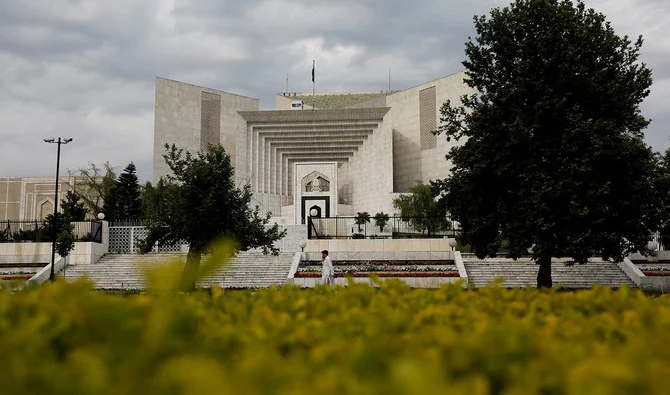
ISLAMABAD: The Supreme Court has rejected the Federal Board of Revenue’s attempt to impose a 35% corporate tax on dividend income, ruling that the income is subject only to the specific final-tax regime applicable to dividends.
The court upheld an earlier Islamabad High Court judgment delivered in favour of the taxpayer companies and dismissed the FBR’s civil petitions, according to the reported ruling.
A two-member bench headed by Chief Justice Yahya Afridi announced the decision, which was authored by Justice Aqeel Ahmed Abbasi.
The Supreme Court held that dividend income is governed by Section 5 of the Income Tax Ordinance, 2001, and cannot be treated as income from other sources under Section 39.
Under the ruling, the applicable 10% tax constituted the companies’ legal and final tax liability for the disputed dividend income. The FBR had sought to include that income in the companies’ normal taxable earnings and apply a 35% corporate tax rate.
Dividend treated as a separate block of income
The court ruled that dividends form a separate block of income under Pakistan’s tax framework and cannot be combined with ordinary corporate income for the imposition of normal tax.
The distinction between Sections 5 and 39 was central to the dispute. Section 5 creates a specific charge on dividend income, while Section 39 deals more broadly with income from other sources.
The Supreme Court found the FBR’s interpretation legally unsustainable and maintained that the special tax regime governing dividends would continue to apply.
FBR’s own published summaries of court judgments describe dividend income as a separate block taxed under Section 5 of the Income Tax Ordinance.
FBR appeals dismissed
The Islamabad High Court had previously accepted the taxpayers’ position, prompting the FBR to challenge the ruling before the Supreme Court.
The top court dismissed the revenue authority’s appeals for lacking merit and declined to grant permission for further appeal in the cases, according to the report.
The companies involved included Saudi Pak Industrial and Agricultural Investment Company, Fauji Foundation, Fauji Fertilizer, Capgas and other corporate taxpayers.
The ruling provides legal clarity on the tax treatment of dividend income in the disputed cases and limits the FBR’s ability to reclassify such earnings as normal corporate income.
Pakistan’s Income Tax Ordinance separately identifies tax on dividends under Section 5, while the FBR maintains the official updated text of the law.
Also Read: FBR Makes Cargo Scanning Mandatory, Tightens Customs Rules for Port Shipments