
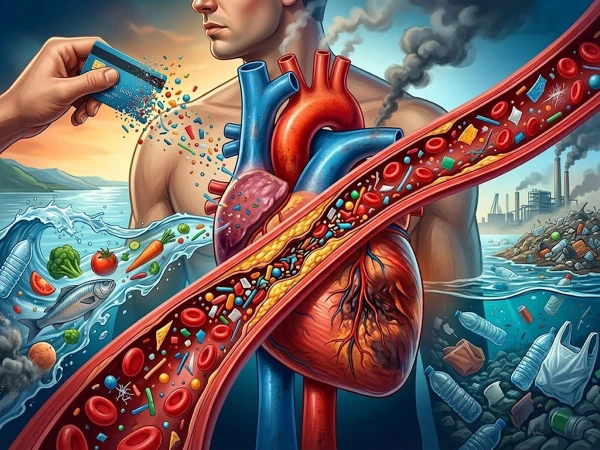
Tiny plastic particles circulating in the bloodstream may be associated with an increased risk of heart attacks, according to a new study by researchers at Sapienza University of Rome. Scientists caution, however, that the research shows an association rather than proving that microplastics directly cause cardiovascular disease.
The study analysed coronary blood samples from 61 people undergoing coronary angiography, including patients with heart attacks, chronic coronary artery disease and individuals with normal coronary arteries. Researchers found microplastics and nanoplastics more frequently in patients who had suffered a severe heart attack than in the other groups.
Heart Attack Patients Showed the Highest Levels
Researchers detected microplastics in 84.2% of patients with severe heart attacks, compared with 40% of patients with chronic coronary disease and 31.8% of those whose coronary arteries appeared normal. Polyethylene—the plastic commonly used in packaging and consumer products—was the most frequently identified polymer.
The study also found that smokers and people with higher long-term exposure to fine air pollution (PM2.5) were more likely to have detectable microplastics in their blood. Researchers believe environmental pollution and smoking may contribute to the movement of these particles into the bloodstream.
More Research Needed
Scientists said laboratory and previous clinical studies suggest microplastics may contribute to inflammation, oxidative stress and damage to blood vessels, all of which are linked to cardiovascular disease. However, they stressed that the latest findings do not establish a direct cause-and-effect relationship between plastic particles and heart attacks.
Microplastics have previously been detected in human blood, lungs, liver, brain tissue and arterial plaque, adding to growing concerns about their potential health effects. Researchers say larger studies are needed to better understand how long-term exposure affects the cardiovascular system.
While earlier reports have suggested people may ingest significant amounts of microplastics through food, water and air, estimates such as “a credit card’s worth every week” remain debated and depend on the methods used in different studies. Experts say the overall health impact of long-term microplastic exposure is still being investigated.
Also Read : Milk Alone Won’t Keep Your Bones Strong — Here’s What Else You Need