
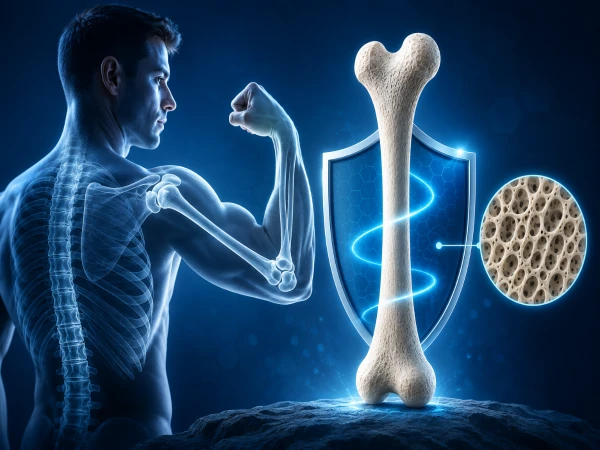
Drinking milk can help provide calcium, but experts say strong bones depend on a broader combination of balanced nutrition, regular physical activity and healthy lifestyle habits maintained from childhood into later life.
Calcium, vitamin D and protein are among the most important nutrients for bones and muscles. Dairy products can contribute to calcium intake, but people can also obtain bone-supporting nutrients from fortified foods, tofu, oily fish, leafy vegetables, seeds and other parts of a varied diet.
Bone strength is largely built during childhood and early adulthood, when the skeleton reaches its highest level of bone mass. Bone density gradually declines with age, making early nutrition and physical activity important for reducing fracture risk later in life.
Osteoporosis Affects Around 500 Million People
Osteoporosis is a condition in which bones lose strength and become more likely to break. It is often described as a silent disease because many people do not know they have it until they suffer a fracture.
Around 500 million men and women worldwide may be living with osteoporosis, according to the International Osteoporosis Foundation. The condition is estimated to affect about 21.2% of women and 6.3% of men over the age of 50.
Women face an increased risk after menopause because hormonal changes can accelerate bone loss. However, osteoporosis also affects men, particularly as they grow older.
Fragility fractures can have serious consequences. More than 10 million hip fractures among people aged 55 and above were recorded worldwide in 2019, while studies place the increased risk of death within a year of a hip fracture at roughly 18% to 33%, depending on age, health and access to care.
Which Nutrients Support Bone Health?
Calcium provides an essential structural component of bones, while vitamin D helps the body absorb it. Protein supports muscles, which are important for balance and reducing the likelihood of falls.
Milk, yoghurt and cheese are widely consumed sources of calcium and protein. However, milk is not the only option.
Calcium may also be obtained from calcium-set tofu, fortified plant-based drinks, green vegetables and fish such as sardines that are eaten with their soft bones. Oily fish, egg yolks and fortified foods can contribute to vitamin D intake.
Seeds, nuts, beans, fruit and vegetables can add magnesium, phosphorus, vitamin K and other nutrients to a balanced diet, although no single food can prevent osteoporosis on its own.
People who avoid dairy products should check food labels because the calcium content of plant-based alternatives varies. Supplements may be advised in some cases, but health authorities generally recommend discussing them with a doctor, particularly for people with medical conditions or those already taking medication.
Exercise Is as Important as Diet
Nutrition alone is not enough to preserve bone strength. Weight-bearing activities, resistance training and exercises that improve balance can strengthen bones and muscles and reduce the risk of falls.
Walking, climbing stairs, strength exercises and age-appropriate resistance training can all contribute to better bone health. The type and intensity of exercise should be adjusted for people who already have osteoporosis or a history of fractures.
Health authorities recommend a balanced diet, adequate calcium and vitamin D, and regular physical activity as part of long-term osteoporosis prevention.
Anyone experiencing unexplained fractures, persistent back pain, loss of height or a stooped posture should seek medical advice. A bone-density scan may be recommended to assess bone strength and the risk of future fractures.
Also Read :Study Highlights Vital Role of Body Fat Beyond Weight Gain