
The bodies of 32 coal miners from Shangla who were killed in the deadly Sorenj (Spin Karez) coal mine disaster near Quetta arrived in their hometowns on Friday, triggering scenes of mourning across the district as families buried their loved ones and residents demanded stronger protections for mine workers.
The miners were among 34 workers from Shangla who lost their lives after a coal mine reportedly collapsed following the accumulation of poisonous gas in an underground tunnel. Rescue teams later recovered the bodies despite difficult conditions, including toxic gases and unstable mine shafts.
District United in Mourning
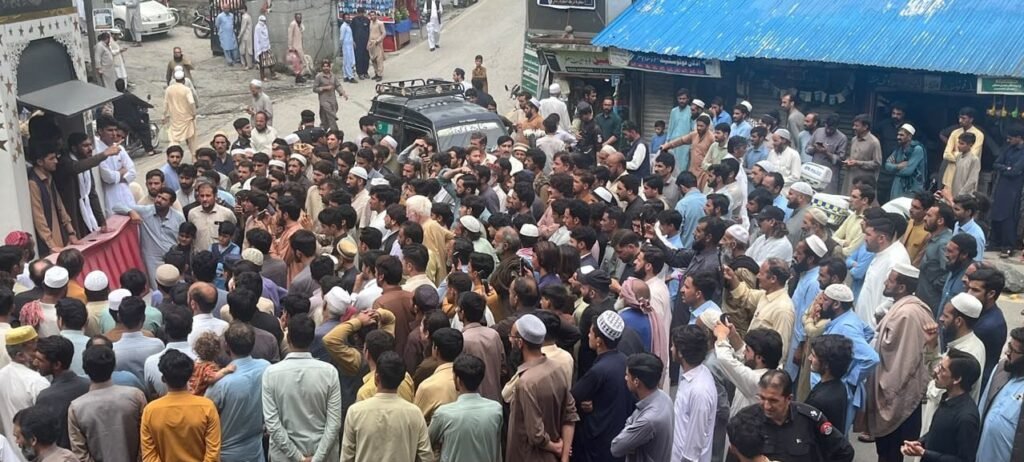
As ambulances carrying the victims arrived in villages across Shangla, grieving relatives, neighbours, and community members gathered to receive the coffins. Funeral prayers were held in mosques throughout the district, with religious leaders offering prayers for the deceased and their families.
Officials said 32 bodies reached Shangla on Friday, while arrangements for transferring the remaining two victims were still under way.
Most of the deceased belonged to Pir Abad, Daulat Kallay, Beley Baba, and nearby villages.
Families Devastated by Multiple Losses
The tragedy has left several households shattered. Among the victims were three brothers and their paternal uncle from the same family, who had travelled to Balochistan in search of work to support their families.
Their deaths have left behind widows, orphaned children, and elderly parents, highlighting the human cost of hazardous coal mining.
Protests Demand Justice and Worker Protection
Following Friday prayers, demonstrations were held across different parts of Shangla, where protesters called for improved mine safety standards, compulsory registration of coal miners, and expanded social protection.
Participants demanded:
- Mandatory registration of all coal miners
- Employees’ Old-Age Benefits Institution (EOBI) coverage
- Social security benefits
- Life and health insurance
- Adequate compensation for bereaved families
- Stronger enforcement of mine safety regulations
Protesters said coal miners continue to face dangerous working conditions while governments have failed to implement lasting safety reforms despite repeated fatal accidents.
Calls for Long-Term Reforms
Political leaders, civil society representatives, traders, journalists, and social activists expressed condolences to the victims’ families and urged the federal and Balochistan governments to strengthen protections for mine workers.
Community leaders noted that many miners work through contractors without formal registration, limiting access to compensation, insurance, and other legal protections after workplace accidents.
Residents also described the Sorenj disaster as part of a long history of fatal mining accidents involving workers from Shangla and called on authorities to move beyond condolence statements by introducing comprehensive reforms to improve the safety and welfare of Pakistan’s coal miners.
Also Read :Fake Number Plate Complicates Investigation Into PTI Leader Abdullah Tahir’s Killing