
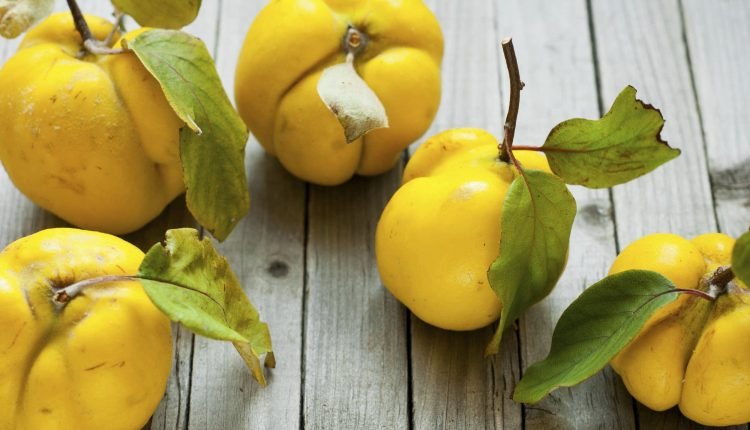
Quince, known locally as Bahi, is a fruit related to apples and is traditionally valued for its distinctive aroma, flavor and nutritional properties. It contains dietary fiber, vitamin C and various plant compounds that may contribute to a balanced diet.
However, claims that quince can cure heart disease, liver problems or other medical conditions are not established by strong clinical evidence. Here are five areas where quince may offer nutritional benefits.
1. Heart Health
Quince provides dietary fiber and antioxidant compounds. A diet rich in fruits and fiber can support cardiovascular health as part of an overall healthy eating pattern.
The original article claims that quince lowers LDL and raises HDL cholesterol, but these effects should not be presented as established treatment for cholesterol or heart disease without stronger human clinical evidence.
2. Immune Support
Quince contains vitamin C, an essential nutrient that supports normal immune-system function. Eating a variety of fruits and vegetables can help provide the vitamins and minerals needed for overall health.
3. Weight Management
Quince contains dietary fiber, which can contribute to feelings of fullness and support healthy digestion. Including fiber-rich fruits in meals may therefore be useful as part of a balanced diet for weight management.
4. Traditional Use for Cough and Throat Irritation
Quince seeds have traditionally been used in some cultures to prepare soothing drinks for cough and throat discomfort. However, such traditional remedies should not be considered a substitute for medical treatment, particularly when symptoms are persistent or severe.
5. Antioxidant and Liver-Health Potential
Quince contains antioxidant plant compounds that may help protect cells from oxidative stress. While this makes it a nutritious addition to the diet, claims that quince “cleanses” or treats the liver are not established medical treatments.
A Note on Religious and Traditional Claims
The original article also cites narrations attributed to the Prophet Muhammad (PBUH) regarding quince. Religious narrations should be assessed separately through qualified scholars and reliable hadith sources rather than being presented as scientific evidence for specific medical effects.
Bottom line: Quince can be a nutritious fruit and a useful source of fiber, vitamin C and plant compounds. Its potential benefits are best understood as part of a varied, balanced diet rather than as a treatment or “magical” cure for disease.