
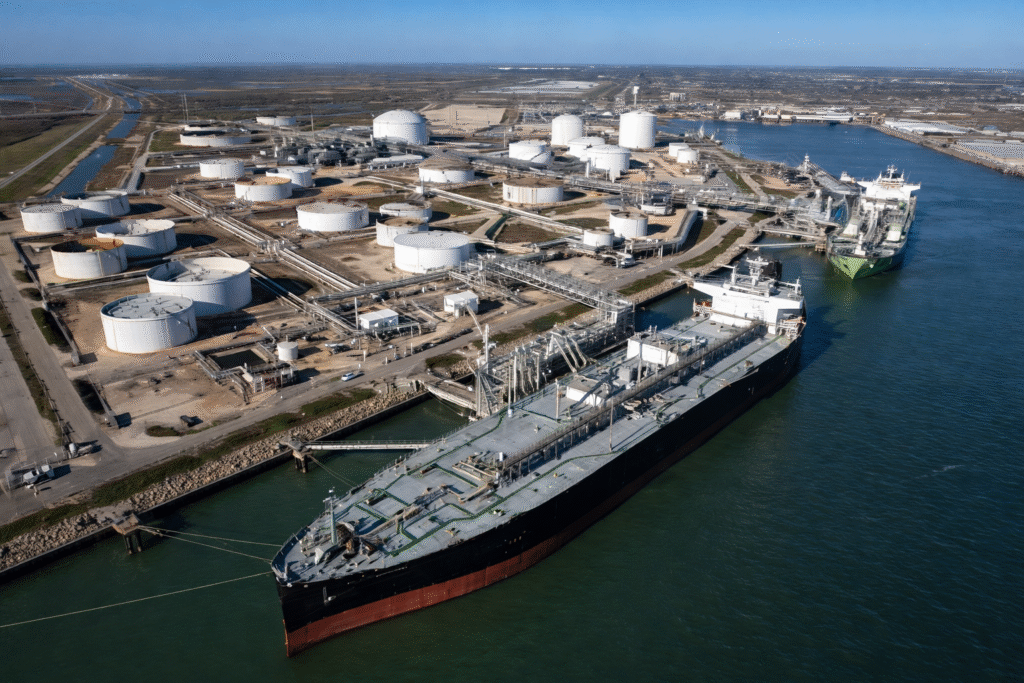
ISLAMABAD: Pakistan’s oil import bill climbed to $1.28 billion, or around Rs357 billion, in July as higher global energy prices increased pressure on the country’s import costs.
The rise came amid a broader global oil price shock linked to escalating tensions involving Iran and disruptions around the Strait of Hormuz, a key route for international energy supplies.
According to the Centre for Research on Energy and Clean Air (CREA), fossil fuel-importing countries paid an estimated $330 billion in additional costs over six months compared with pre-war market expectations.
The research attributed much of the increase to the continuing US-Iran conflict and disruption to shipping through the Strait of Hormuz, which has affected global oil and gas markets. Reuters has also reported that shipping traffic through the strait remains below normal levels despite some limited movement.
CREA estimated that the European Union faced the largest additional fossil fuel burden at about $78 billion, followed by China at $35 billion and India at $22 billion.
The report said crude oil alone accounted for about $164.1 billion of the global increase, while diesel and gasoil added $73.8 billion, LNG $38 billion and gasoline $35.7 billion.
India has also faced a sharp increase in energy import costs, with reports indicating a rise of more than 56% in its crude oil import bill as global prices remained elevated.
The latest figures underline Pakistan’s exposure to swings in international oil markets, where sustained price increases can quickly raise the country’s import bill and add pressure to external payments.
Also Read: Chinese firm plans 16 sports shoe production lines in Pakistan