
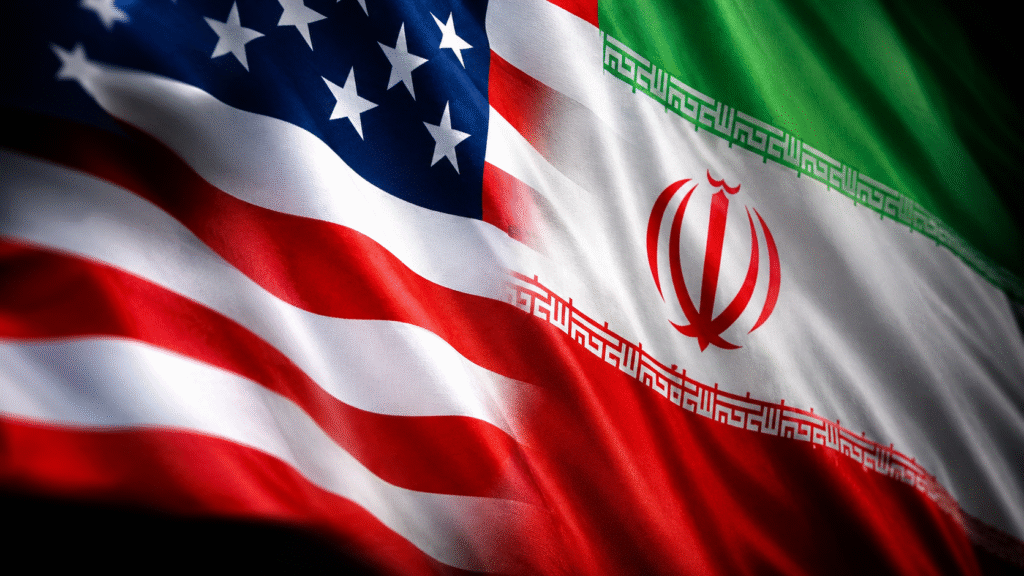
ISLAMABAD/WASHINGTON: The United States and Iran are moving closer to a potential breakthrough agreement aimed at ending the Gulf conflict, with Pakistan continuing to play a central mediation role in efforts to reduce regional tensions and restore stability in global energy routes.
A Pakistani source familiar with the negotiations confirmed that discussions between Washington and Tehran had made significant progress toward a proposed memorandum designed to halt hostilities and initiate broader negotiations on sanctions, maritime security and Iran’s nuclear programme.
The development follows reports published by Axios, which cited U.S. officials and sources involved in the talks. According to the report, both sides are reviewing a proposed one-page framework that could formally launch a diplomatic process to end the conflict.
Pakistan, which hosted the only publicly known peace talks related to the crisis last month, has continued facilitating communication and exchanging proposals between the two sides, according to officials familiar with the mediation process.
Proposed agreement focuses on sanctions and Strait of Hormuz access
The proposed memorandum reportedly includes a temporary moratorium on Iran’s nuclear enrichment activities, phased sanctions relief by the United States and the release of frozen Iranian financial assets.
The framework also aims to address restrictions affecting commercial transit through the Strait of Hormuz, one of the world’s most important oil shipping corridors.
Negotiators are also discussing a 30-day diplomatic window during which both sides would continue talks on a broader agreement covering maritime security, nuclear oversight and economic restrictions.
The memorandum is reportedly being negotiated through direct and indirect channels involving U.S. envoys Steve Witkoff and Jared Kushner alongside Iranian officials and regional intermediaries.
Global markets react as tensions show signs of easing
Reports of progress in the negotiations triggered a sharp reaction in global financial markets.
International oil prices fell significantly, with Brent crude dropping more than eight percent as investors responded to expectations of improved energy supply stability in the Gulf region.
Global stock markets also recorded gains, while bond yields declined amid optimism that a reduction in tensions could help stabilize trade and shipping routes.
The White House and Iranian officials did not immediately issue official statements on the proposed memorandum.
Iranian Foreign Minister Abbas Araqchi said Tehran was seeking what he described as a “fair and comprehensive agreement” during remarks made while visiting China.
Strait of Hormuz tensions disrupted global shipping
The conflict has disrupted commercial shipping through the Strait of Hormuz since February, affecting global energy markets and maritime trade.
U.S. President Donald Trump recently paused “Project Freedom,” a naval initiative launched to facilitate shipping through the strait, citing progress in ongoing negotiations with Iran.
Several commercial vessels have reported attacks or damage in and around the strategic waterway during the conflict, prompting concerns among global shipping companies and energy exporters.
Officials familiar with the talks said negotiations are expected to continue over the coming days as both sides review the remaining provisions of the proposed framework.
Also read: PM Shehbaz says Pakistan continues efforts to maintain regional peace