
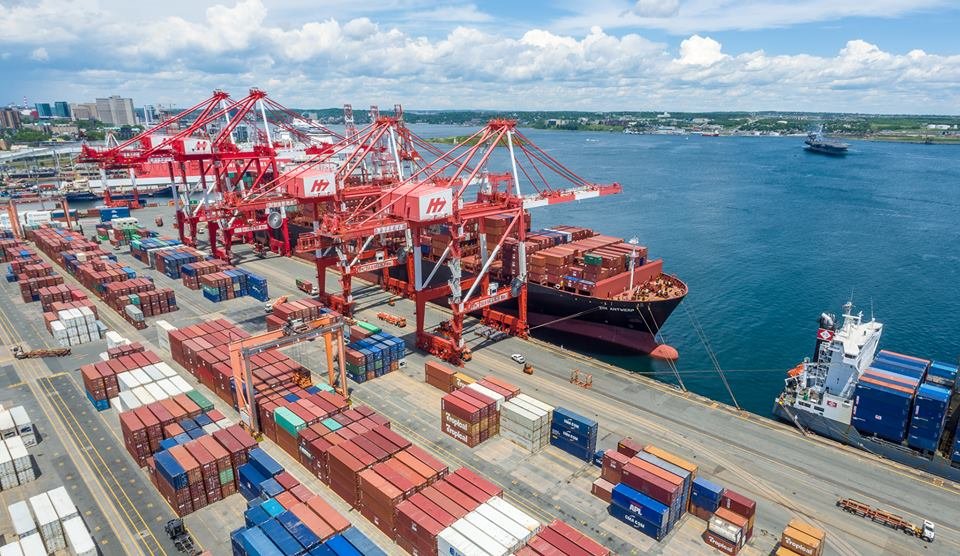
ISLAMABAD: Pakistan is accelerating maritime reforms aimed at transforming its ports into major centres of trade, logistics and investment, with the government focusing on modern infrastructure, faster cargo clearance and stronger connectivity with domestic and international markets.
Under the Prime Minister’s Task Force on Maritime Reforms, Karachi Port, Port Qasim and Gwadar Port are being upgraded as part of a broader strategy to strengthen Pakistan’s maritime economy and improve its position in regional and global trade.
According to official details, around 90% of Pakistan’s imports and exports are currently carried by foreign shipping companies, highlighting the need to expand domestic shipping capacity and attract greater private-sector investment into the maritime industry.
As part of the reform programme, navigation channels at major ports are being deepened to accommodate larger vessels, while harbour craft, cargo-handling equipment and other port facilities are also being modernised.
The government is also introducing technology-driven reforms to reduce delays and improve transparency in cargo movement. These include the Port Community System, web-based customs, faceless customs processing, real-time container tracking and round-the-clock customs operations.
Authorities expect these measures to speed up cargo clearance, lower logistics bottlenecks and improve the overall competitiveness of Pakistan’s ports.
Efforts are also underway to strengthen links between ports and inland industrial and commercial centres.
Projects including the NLC logistics network, KPT-Pipri railway link, barge operations and multimodal transport systems are being developed to connect ports more efficiently with industries, warehouses and markets across the country.
The government is also seeking to attract fresh investment through the Shipping Policy 2026, transshipment policy and initiatives supporting private shipping, shipbuilding and ship repair.
One of the latest developments has taken place at Gwadar Port, where Pakistan completed its first international bunkering operation in collaboration with Vitol.
Under the operation, an LNG carrier was supplied with 2,500 metric tonnes of locally sourced marine fuel, marking a new step in efforts to develop Gwadar as a regional maritime services and logistics hub.
Pakistan is also expanding its focus beyond traditional shipping and port operations to build a broader blue economy.
Initiatives covering ship recycling, the Gadani waste management programme, shrimp farming, fisheries and aquaculture are being pursued to generate investment, employment and new sources of economic activity along the country’s coastline.
The maritime reform agenda seeks to convert Pakistan’s geographic position and port infrastructure into a stronger economic asset by improving connectivity, expanding shipping-related industries and opening new opportunities for domestic and foreign investors.
With modernised ports, improved logistics links and new maritime investment policies, the government aims to strengthen Pakistan’s role in regional trade while reducing inefficiencies in the country’s shipping and supply chain system.
Also Read: Wafi Energy Pakistan H1 Profit Rises to Rs1.52 Billion