
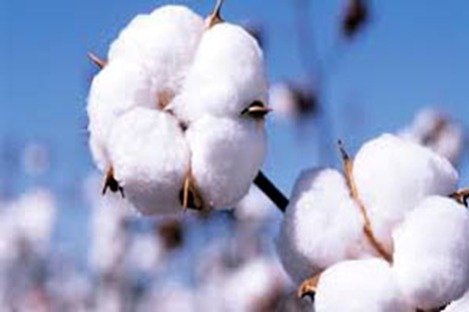
ISLAMABAD, July 30, 2026: Pakistan is seeking deeper agricultural research cooperation with China to revive its struggling cotton sector, improve per-acre yields and reduce the widening gap between domestic production and demand from the textile industry.
Experts say collaboration in seed development, germplasm exchange, mechanisation, pest control and climate-resilient cotton varieties could help reverse years of falling output. Pakistan produced around 5.6 million bales last season, its lowest level in three decades, while local textile mills require more than 12 million bales annually.
The proposed Pakistan-China cotton research cooperation has gained momentum through discussions involving the Pakistan-China Joint Chamber of Commerce and Industry. Plans under consideration include joint breeding programmes, local adaptability trials of high-yield Chinese varieties and a biotechnology Centre of Excellence at the Central Cotton Research Institute.
Adeel Munawar, Commercial Ambassador of the chamber, said the decline in domestic cotton production had increased pressure on the textile sector, which depends heavily on imported raw material to meet its requirements.
Bilal Janjua, Vice President of the Pakistan-China Commerce Alliance Institute and Chairman of the China-Pakistan Information Centre, said China’s experience in seed technology, cultivation methods, mechanisation and farm management could support Pakistan’s efforts to rebuild cotton production.
He said Chinese varieties and farming practices would need to be tested carefully under Pakistan’s agro-climatic conditions before being introduced at scale.
Janjua pointed to China’s Xinjiang region as an example of how cotton can be grown successfully in dry areas through improved seed varieties, efficient water management, mechanised farming and institutional support.
He said efforts were underway to facilitate the transfer of Chinese expertise, although administrative delays within agricultural research institutions had slowed progress.
He also linked the decline in cotton acreage to the expansion of sugarcane cultivation, which often provides farmers with more predictable returns and stronger market support.
Wider Germplasm Access Could Improve Yields
Shahid Iqbal, a Scientific Officer at the Cotton Research Institute in Multan, said Pakistan was exploring cooperation with China in seed development, genetic material, heat-tolerant varieties, disease resistance and modern cultivation techniques.
Iqbal, who worked on cotton research in China for around a decade, said Chinese research institutions had access to a broader pool of cotton germplasm and valuable genetic traits.
Access to pest-resistant, heat-tolerant and disease-resistant material could help Pakistan develop varieties better suited to changing weather patterns and persistent crop diseases, he said.
Iqbal said demonstration farms in Xinjiang had reported yields exceeding 125 maunds per acre, reflecting sustained investment in genetics, mechanisation and complete crop-management systems.
He stressed that Pakistan should not limit cooperation to importing seeds. Instead, he recommended adopting a broader package covering agronomic practices, farmer training, pest management, mechanisation and post-harvest handling.
New Cotton-Growing Areas Proposed
Iqbal also proposed scientific trials in Balochistan, Cholistan and selected areas of Gilgit-Baltistan to determine whether cotton cultivation could be expanded beyond Pakistan’s traditional growing belt.
Such trials, he said, could help diversify production and reduce dependence on regions increasingly affected by pest outbreaks, water shortages and climate-related stress.
He added that Pakistani researchers working on cotton projects in China should be encouraged to return through professional incentives and opportunities within domestic research institutions.
According to Iqbal, farmer awareness will be critical because some Chinese cotton plants are shorter and slimmer than conventional Pakistani varieties, which may initially lead growers to underestimate their productivity.
Experts Call for Farmer Support and Market Assurance
Experts said stronger research cooperation would need to be matched by policy support for growers.
Iqbal said China supports cotton farmers through subsidies, technical education, price mechanisms and greater confidence that their produce will be purchased.
He recommended farmer exchange programmes, improved extension services, training in modern cultivation methods and stronger market assurance in Pakistan.
Agricultural researchers said the revival of cotton production would be important not only for farmers but also for Pakistan’s textile industry, export earnings and foreign exchange position.
The textile sector is the country’s largest export industry and depends on a stable supply of domestic cotton. Continued production shortfalls increase reliance on imports and expose manufacturers to international price fluctuations and supply disruptions.
Also Read: Pakistan Can Expand Urban Tourism by Adapting China’s Integrated Development Model