
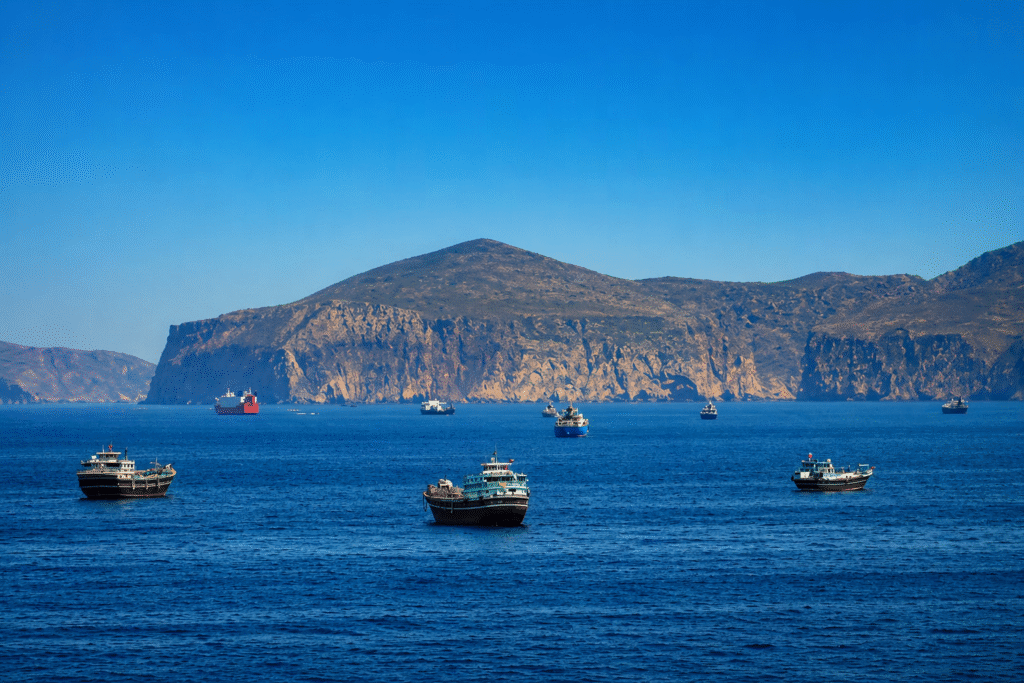
ISLAMABAD, Apr 23 — Iran has moved to assert control over the Strait of Hormuz following the collapse of peace talks with the United States, escalating risks to global energy supplies and commercial shipping through one of the world’s most critical maritime routes.
State media showed Iranian forces boarding commercial vessels in the strait, highlighting Tehran’s enforcement posture as negotiations failed to secure an agreement on reopening the corridor to international traffic.
Shipping disruption and enforcement measures
Iranian officials said vessels attempting to transit the strait without authorization had been intercepted, and indicated that a toll mechanism for shipping may now be in place. The Strait of Hormuz is a key chokepoint for global oil and liquefied natural gas flows, making any disruption significant for international markets.
Restrictions on movement through the route have already affected cargo shipments and contributed to volatility in energy prices.
Breakdown of negotiations
The latest developments follow the collapse of diplomatic efforts between Iran and the United States ahead of the expiry of a temporary ceasefire. Tehran has linked reopening the strait to the removal of restrictions on its own shipping, while Washington has not indicated any policy shift.
No timeline has been announced for renewed talks, leaving the situation unresolved.
Pakistan’s ongoing engagement
Pakistan, which previously hosted talks between the two sides, remains in contact with both governments, according to officials. However, no new round of negotiations has been scheduled, with uncertainty continuing over diplomatic progress.
Market and economic impact
The Strait of Hormuz typically handles a substantial share of global energy trade. Recent disruptions have pushed oil prices higher and created uncertainty across financial markets, particularly in Asia.
Analysts expect continued pressure on supply chains if access to the route remains constrained, especially during periods of high demand.
Outlook
With no formal extension of the ceasefire and no immediate diplomatic breakthrough, the situation remains uncertain. Shipping flows, energy markets, and regional stability are likely to remain sensitive to further developments.