
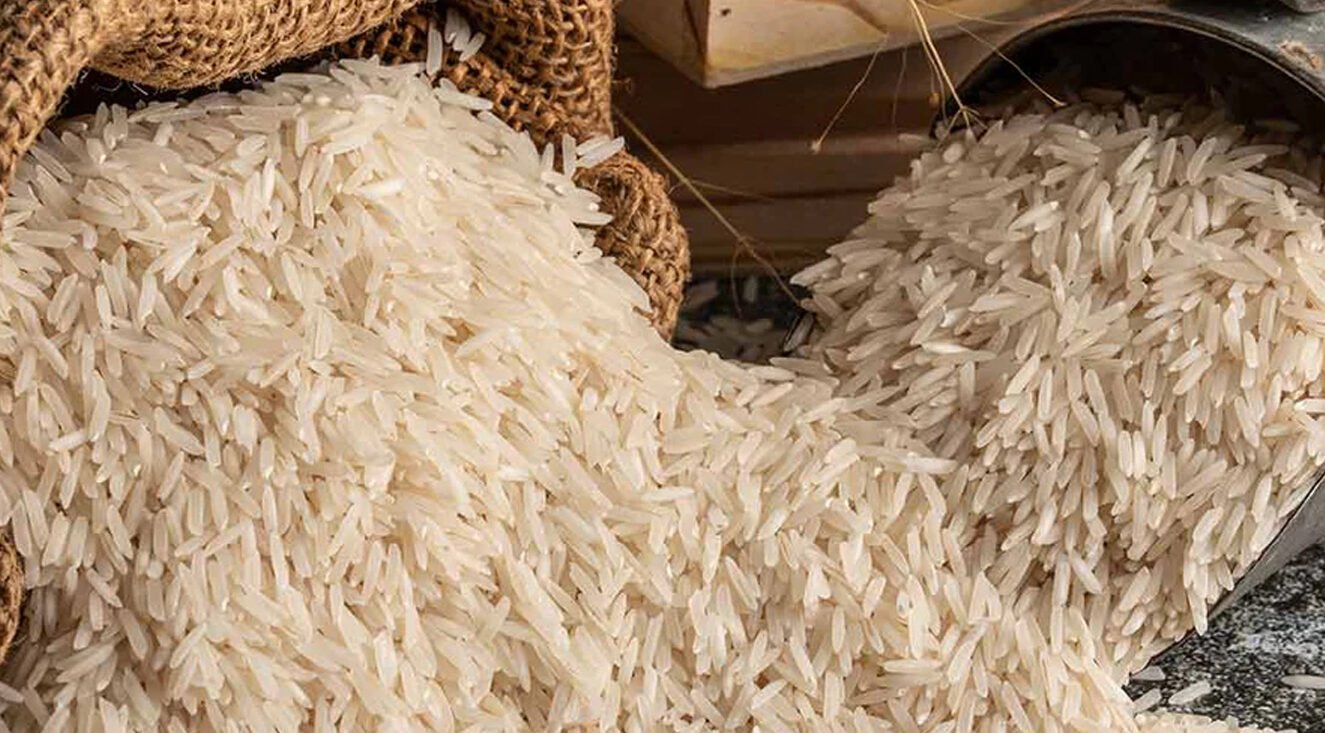
MUMBAI/ISLAMABAD: The Iran conflict has disrupted Indian basmati exports, leaving around 400,000 metric tons of rice stranded at ports or in transit as shipping routes through the Middle East face delays and sharply rising freight costs, trade officials said.
The disruption has halted new export deals with Gulf buyers — a key market for both India and Pakistan — increasing storage costs and financial pressure on exporters across South Asia.
India is the world’s largest exporter of premium basmati rice, with Saudi Arabia, Iran and the United Arab Emirates accounting for more than half of its overseas shipments.
Satish Goel, president of the All India Rice Exporters’ Association (AIREA), said roughly 200,000 tons are stuck in transit while another 200,000 tons remain at Indian ports awaiting shipment.
Freight rates have more than doubled as vessels avoid high-risk Gulf routes and insurers withdraw war-risk coverage. Exporters are prioritising shipments under existing contracts while suspending new orders from Middle Eastern buyers.
Shipping uncertainty hits record harvest
The slowdown comes during a strong basmati harvest season in India. With export demand suddenly weakening, traders said domestic basmati prices have declined by nearly 6%.
The Strait of Hormuz, a major global trade corridor, remains central to the disruption. Shipping companies are rerouting or delaying passage through the waterway amid heightened security risks.
Industry officials described the situation as one of the most severe logistical disruptions faced by the basmati trade in recent years.
Pakistan’s rice exports also exposed
India and Pakistan are the only major producers of basmati rice, a long-grain aromatic variety widely consumed in the Middle East.
Pakistan exported approximately 761,700 metric tons of basmati rice worth about $782 million in the 2024–25 fiscal year, according to official trade data. Total rice exports — including non-basmati varieties — exceeded 5.8 million metric tons, generating more than $3.3 billion in revenue.
Because Gulf countries account for a significant share of premium rice demand, prolonged shipping disruption could affect Pakistani exporters as well. Higher freight costs and delayed deliveries may temporarily reduce purchase orders from the region.
Also Read: Iran conflict disrupts oil supply, raising energy concerns for Pakistan
Exporters in India have approached the trade ministry seeking support to offset mounting storage expenses and rising transport charges.
Traders said demand from Middle Eastern markets is expected to recover once maritime routes stabilise, as basmati rice remains a staple commodity across the Gulf.





 Today's E-Paper