
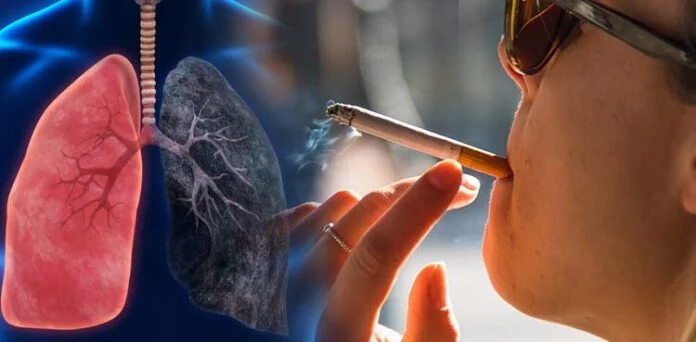
Cigarette smoke may disappear from the air within seconds, but its effects on the lungs can last much longer. The extent and speed of recovery after quitting smoking depend on factors including how long a person smoked, how much they smoked and whether permanent lung damage has already occurred.
Cigarette smoke contains thousands of chemicals, including many substances known to cause cancer. Its effects on the respiratory system begin almost immediately after inhalation.
Fine particles and other chemicals in tobacco smoke irritate the airways, increase mucus production and interfere with the function of tiny hair-like structures called cilia. These structures normally help move mucus and particles out of the lungs.
Damage to this natural cleaning system can contribute to persistent coughing, throat irritation, excess mucus and other respiratory problems among smokers.
There is no single timeframe for the lungs to become completely “clean” after quitting. Some changes begin soon after the last cigarette, while the recovery of the airways and cilia can take weeks or months. In people with long-term or severe smoking-related damage, some changes may be permanent.
After quitting, carbon monoxide levels in the blood begin to fall, while nicotine is eliminated from the body relatively quickly. Over the following weeks and months, coughing and breathing difficulties may improve, and the cilia can gradually regain their ability to clear mucus and particles from the airways.
The health benefits of quitting continue to accumulate the longer a person remains smoke-free. Even people who have smoked for many years can benefit from stopping.
Importantly, smoking fewer cigarettes does not make smoking harmless. Even relatively low levels of smoking can expose the respiratory system to harmful chemicals and contribute to inflammation and other changes in lung function.
Some people may not notice symptoms despite having smoking-related lung damage. Persistent morning cough, wheezing, reduced exercise tolerance or repeated respiratory infections can be warning signs, but the absence of symptoms does not necessarily mean the lungs are unaffected.
Health experts recommend quitting rather than waiting for breathing problems to develop. Smoking increases the risk of chronic respiratory diseases and lung cancer, while quitting reduces these risks over time.
People trying to quit do not necessarily have to rely on willpower alone. Setting a quit date, identifying smoking triggers and discussing treatment options with a healthcare professional can improve the chances of quitting successfully. Nicotine replacement therapy and behavioral counseling are among the evidence-based approaches used to help people overcome nicotine dependence.
The key message is simple: cigarette smoke may disappear from the air quickly, but recovery from its effects takes much longer. The earlier a person stops smoking, the more opportunity the body has to recover and reduce future health risks.