
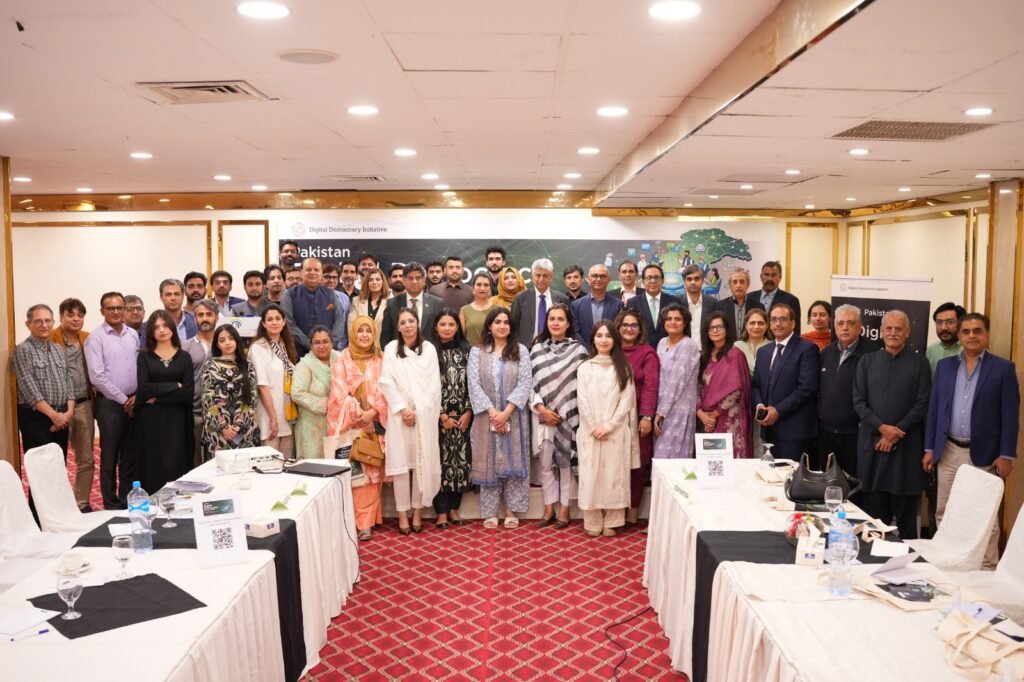
ISLAMABAD: Policymakers, technology experts, academics, media professionals and civil society representatives have called for coordinated national efforts to build a trusted and inclusive digital ecosystem in Pakistan, emphasizing responsible innovation, digital rights protection and stronger information integrity.
The views were expressed at the Pakistan Digital Democracy Dialogue 2026, organized by Freedom Gate Prosperity (FGP) in collaboration with Accountability Lab and DDI South Asia under the theme “Digital Pakistan for All: Trust, Rights and Responsible Innovation.”
The dialogue brought together stakeholders from government institutions, academia, media, technology companies, civil society and development organizations to discuss key challenges and opportunities linked to digital transformation, artificial intelligence, cybersecurity, digital governance and online civic spaces.
During the opening session, Presidential Spokesperson Murtaza Solangi highlighted the growing importance of information integrity in the digital age, noting that while digital platforms have expanded access to information, they have also contributed to the spread of misinformation and polarization.
He stressed the need for stronger institutions, responsible journalism, informed citizens and continuous engagement among stakeholders to strengthen democratic resilience in the evolving digital environment.
Brigadier Dr. Muhammad Mukarram Khan, Director General Cyber Vigilance Division at the Pakistan Telecommunication Authority (PTA), said digital trust and cybersecurity have become essential components of national security and resilience.
He emphasized the need for stronger institutional capacity to tackle cyber threats, online fraud, identity theft and emerging digital risks while ensuring that technological development remains secure and citizen-focused.
Chairman of the National Centre of Artificial Intelligence (NCAI), Professor Dr. Yasar Ayaz, highlighted the potential of artificial intelligence in transforming governance, education, healthcare and economic productivity.
He called for greater investment in local AI research, ethical governance frameworks and human capital development to ensure that technological progress benefits all segments of society.
Earlier, Muhammad Anwar, Founder and Chief Executive Officer of Freedom Gate Prosperity, said the organization aims to promote constructive dialogue on Pakistan’s major policy and development challenges by bringing together diverse stakeholders.
He emphasized that Pakistan must balance protection of citizens’ rights and freedoms with the promotion of responsible digital citizenship and ethical innovation.

Speaking about digital inclusion, Sharjeel Murtaza, Chief Digital Officer at Karandaaz Pakistan, said digital public infrastructure can play a transformative role in improving service delivery and expanding financial inclusion, particularly for underserved communities.
BBC Eye Investigations Correspondent Farhat Javed Rabani highlighted the importance of ethical journalism, investigative reporting and media literacy in combating misinformation and maintaining public trust in the digital era.
FGP Board Member Urooj Raza Sayyami said digital transformation should strengthen democratic participation, public trust and citizen empowerment, while Sidra Jalil, Founder of InspireMill and President of OPEN Islamabad, stressed the need to support entrepreneurs, startups, women leaders and digital skills development.
During the second session on Inclusive Digital Transformation, AI and GovTech, experts discussed strategies for responsible technology adoption, equitable access to digital services and stronger coordination between government, academia and industry.
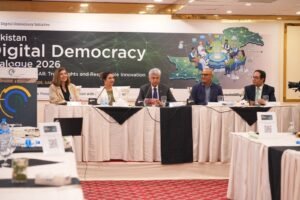
Additional Secretary Revenue Division, Ministry of Finance, Dr. Saad S. Khan, who chaired and moderated the session, emphasized that successful digital transformation requires institutional coordination, regulatory clarity and citizen-centric governance.
Chairman National Commission for Human Development (NCHD) Ali Asghar highlighted digital literacy as a foundation for inclusive development, saying citizens must have the skills to use technology safely and productively.
CEO Peace and Justice Network (PJN) Raza Ali Shah stressed that digital inclusion should also promote social cohesion, civic engagement and responsible online behaviour.
Representing Accountability Lab, Ali Imran reiterated the importance of transparency, citizen participation and accountable governance in achieving sustainable digital transformation.
Concluding the dialogue, Shafqat Aziz, Strategic Policy Advisor at FGP, presented key recommendations including a national framework for information integrity, responsible AI governance, enhanced digital literacy, cyber safety measures, protection of digital rights and stronger collaboration among government, academia and industry.
The dialogue underscored the growing need for a comprehensive digital strategy that ensures Pakistan’s technological advancement remains inclusive, secure and aligned with public interest.
Also Read: Kaspersky Detects Mirage Kitten Cyber-Espionage Campaign Targeting Pakistan’s Aviation Sector