
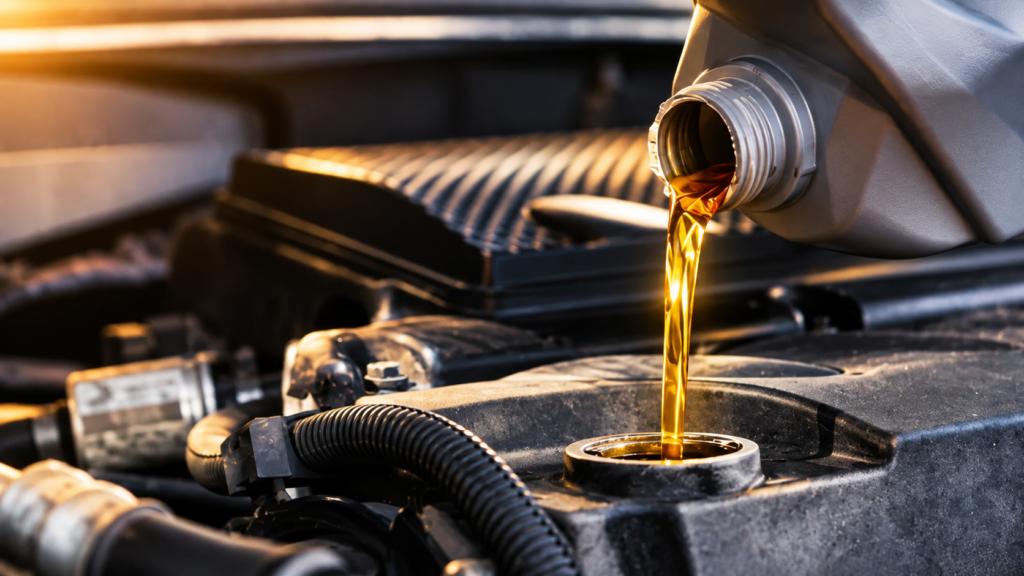
ISLAMABAD: Motorists in Pakistan are being advised to take extra precautions when changing engine oil, as counterfeit lubricants sold in genuine-looking containers can put vehicle engines at risk of costly damage.
One of the biggest challenges for car owners is that counterfeit engine oil may be packaged in original branded bottles that have been collected, refilled and returned to the market.
This means even familiar packaging from established lubricant brands cannot guarantee that the oil inside is genuine.
According to automotive platform PakWheels, drivers should verify the source of engine oil, examine its packaging and use official manufacturer authentication systems before allowing a mechanic to pour it into their vehicles.
How to identify fake engine oil in Pakistan
The first precaution is to purchase engine oil from a reliable workshop, authorised dealer or verified distributor.
Motorists should ask sellers where their lubricants come from and request a proper purchase receipt.
Before opening the container, customers should examine the cap, tamper-proof ring and inner seal for signs of damage or previous use.
The product label should also be checked for the correct brand name, viscosity grade, batch details and other identifying information.
Unusual marks around the cap, leaks or evidence of resealing may indicate possible tampering.
However, packaging differences alone do not prove that a product is counterfeit, as manufacturers may change bottle designs and security features.
How to verify Shell and PSO engine oil
Some major lubricant manufacturers in Pakistan offer official authentication services to help customers check their products.
For supported Shell lubricants, buyers can scan the security sticker’s QR code or Laava ID and compare the displayed product details with the container.
Shell also provides an SMS verification option for applicable products. Customers can scratch the security label and send the 12-digit code to 8042.
The company’s authentication instructions are available through its official anti-counterfeit verification page.
Pakistan State Oil (PSO) offers a similar verification system for supported lubricant products.
Customers can scratch the security label to reveal a 16-digit code and send it by SMS to 5454 to check the product.
Further details are available on PSO’s official lubricants website.
Motorists should follow the instructions printed on their particular product, as authentication methods may differ between brands and packaging types.
Can engine oil colour or smell reveal a fake?
Experts caution against relying on colour, smell or thickness to determine whether engine oil is genuine.
Different legitimate oil formulations may vary in appearance and consistency, making visual inspection an unreliable method of authentication.
Similarly, an unusually low price may raise suspicion, but a higher price does not automatically guarantee authenticity.
Buyers should compare prices for the same brand, viscosity grade and pack size while prioritising authorised suppliers and manufacturer verification.
Choosing the correct engine oil is equally important
Even genuine engine oil can cause problems if it does not meet a vehicle manufacturer’s specifications.
Common viscosity grades include 0W-20, 5W-30 and 10W-40, but the correct grade depends on the vehicle’s engine requirements.
Motorists should consult their owner’s manual rather than changing to a thicker oil solely because of hot weather.
The American Petroleum Institute also recommends following the vehicle manufacturer’s specified oil grade and performance requirements.
During servicing, drivers should ask mechanics to show them the sealed oil container, confirm the correct grade and quantity, and open the product in their presence.
Keeping the invoice and photographing the packaging or verification result can also help if a complaint becomes necessary.
What to do if engine oil appears counterfeit
If a lubricant container shows signs of tampering or fails an authentication check, motorists should ask the mechanic not to use it until the product has been verified.
The container, purchase receipt and relevant photographs should be retained while the manufacturer or seller investigates.
If suspicious oil has already been poured into the engine, a qualified mechanic should assess whether the oil and filter need replacing.
Drivers should also avoid continuing their journey if an oil-pressure warning appears or the engine develops unusual noises.
With counterfeit lubricants potentially difficult to identify through appearance alone, purchasing from trusted sources, verifying security codes and checking the correct engine oil specification remain important precautions for vehicle owners.