
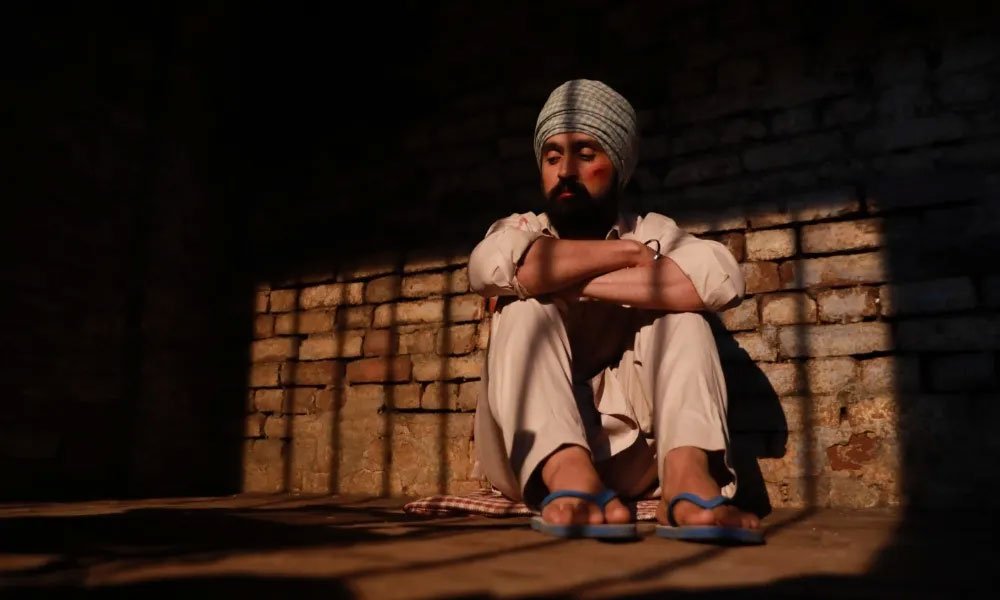
Diljit Dosanjh’s latest film, Sutlej, has generated widespread discussion following reports that its release faced restrictions in some markets. Centered on the life of Sikh human rights activist Jaswant Singh Khalra, the film explores themes of justice, accountability, and the human impact of political violence, prompting renewed debate about historical events in India’s Punjab.
Rather than focusing solely on one individual’s story, Sutlej examines how allegations of enforced disappearances and state violence can affect families and communities for generations. The film has drawn attention for its serious subject matter and Diljit Dosanjh’s restrained performance in the lead role.
Diljit Dosanjh Takes on the Role of Jaswant Singh Khalra
In Sutlej, Diljit portrays Jaswant Singh Khalra, a prominent human rights activist known for documenting allegations of enforced disappearances and unlawful killings in Punjab during the militancy period of the 1980s and 1990s.
Unlike the energetic stage persona for which Diljit is internationally known, the film presents him in a quieter and more introspective role. Critics and viewers have highlighted the contrast as one of the film’s strongest elements.
A Story Beyond Politics
The film portrays the personal cost of conflict, showing how violence and fear can extend beyond direct victims to affect families, neighborhoods, and wider communities.
Through its narrative, Sutlej raises questions about memory, justice, and accountability while encouraging audiences to reflect on the lasting consequences of historical events.
Why the Film Has Drawn Attention
Media reports and online discussions have described Sutlej as one of Diljit Dosanjh’s most ambitious dramatic performances. The film has attracted attention not only for its historical subject matter but also for the conversations it has sparked about freedom of expression, historical representation, and cinema’s role in documenting complex social issues.
Also Read :Naseeruddin Shah Criticizes Indian Government as Bollywood Figures Back Student Protests