
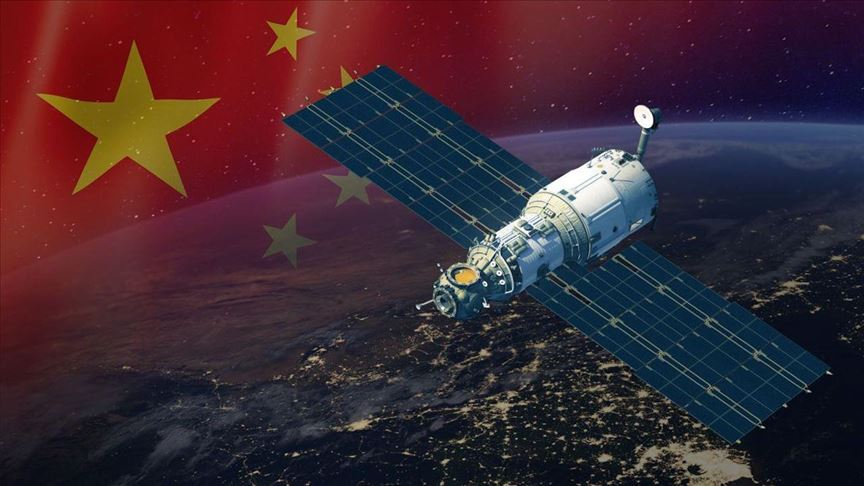
WASHINGTON/BEIJING/TEHRAN — Reports circulating in international media and defense analysis platforms say Chinese commercial and state-linked satellite imagery has been used to map and publicly highlight US military deployments in the Middle East, as tensions involving Iran escalate.
The reports suggest that high-resolution satellite images have shown the buildup of US aircraft, air defense systems and naval assets at bases across the Gulf region. While some commentators have framed this as Chinese satellites helping Iran locate US bases, there is no verified public evidence that Beijing is directly guiding Iranian military operations.
Satellite imagery from Chinese firms has in recent years increasingly appeared in geopolitical reporting, particularly during periods of heightened military activity. Analysts note that commercial satellite data is widely accessible to governments, researchers and media organizations worldwide.
Context of rising regional tensions
The latest claims come amid escalating hostilities between Iran, Israel and the United States. Recent US-Israel strikes on Iranian territory and subsequent Iranian missile retaliation across the region have raised concerns about a broader Middle East conflict.
US forces maintain military installations in several Gulf states, including Qatar, Bahrain, Kuwait, Saudi Arabia and the United Arab Emirates. These bases have played key roles in regional security operations for decades.
In past crises — including the 12-day Israel-Iran confrontation last year and earlier flare-ups in the Strait of Hormuz — satellite imagery has frequently been used by analysts to track troop movements and equipment deployments.
China’s expanding satellite capabilities
China has significantly expanded its civilian and military space-based surveillance capabilities over the past decade. Chinese commercial satellite companies regularly publish imagery related to global conflicts, infrastructure projects and natural disasters.
Western governments have previously raised concerns about how open-source or commercially available satellite data could influence military transparency and strategic signaling. However, satellite imagery itself does not automatically indicate operational coordination between states.
Strategic implications
The broader geopolitical context includes intensifying US-China rivalry, disputes over technology controls, and competition for influence in the Middle East. Beijing maintains economic and energy ties with Gulf states and Iran, while Washington continues to operate extensive military infrastructure across the region.
Experts caution that publicly available satellite images can contribute to information warfare narratives, particularly during periods of armed confrontation.
As of now, neither US nor Chinese officials have issued formal statements confirming or denying operational links related to the reported imagery.




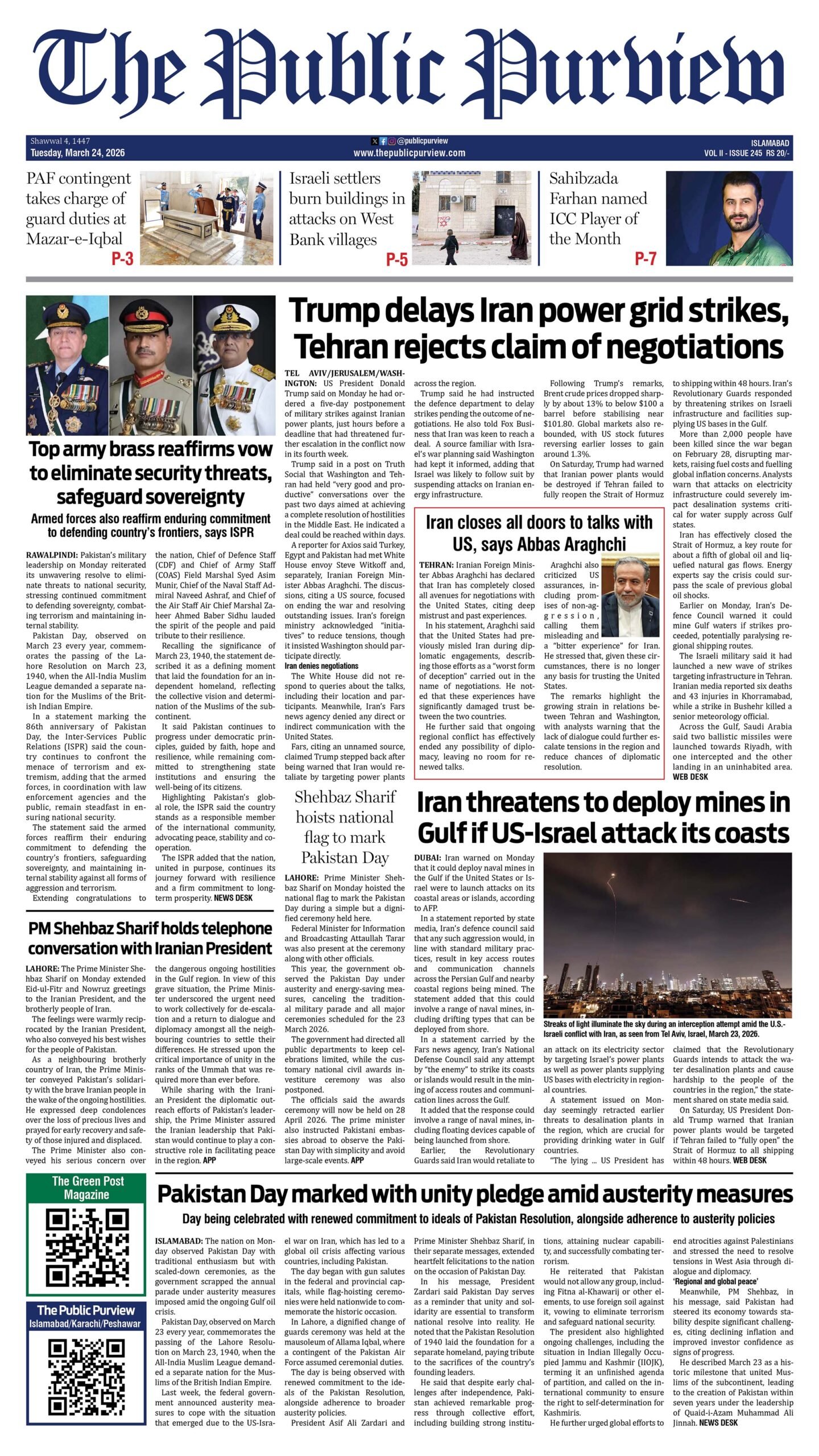 Today's E-Paper