
ZHEJIANG: In the mist-covered bamboo mountains of eastern China, a quiet but significant environmental transformation is underway—one that may hold vital lessons for Pakistan as it struggles under the weight of plastic pollution and mounting climate stress.
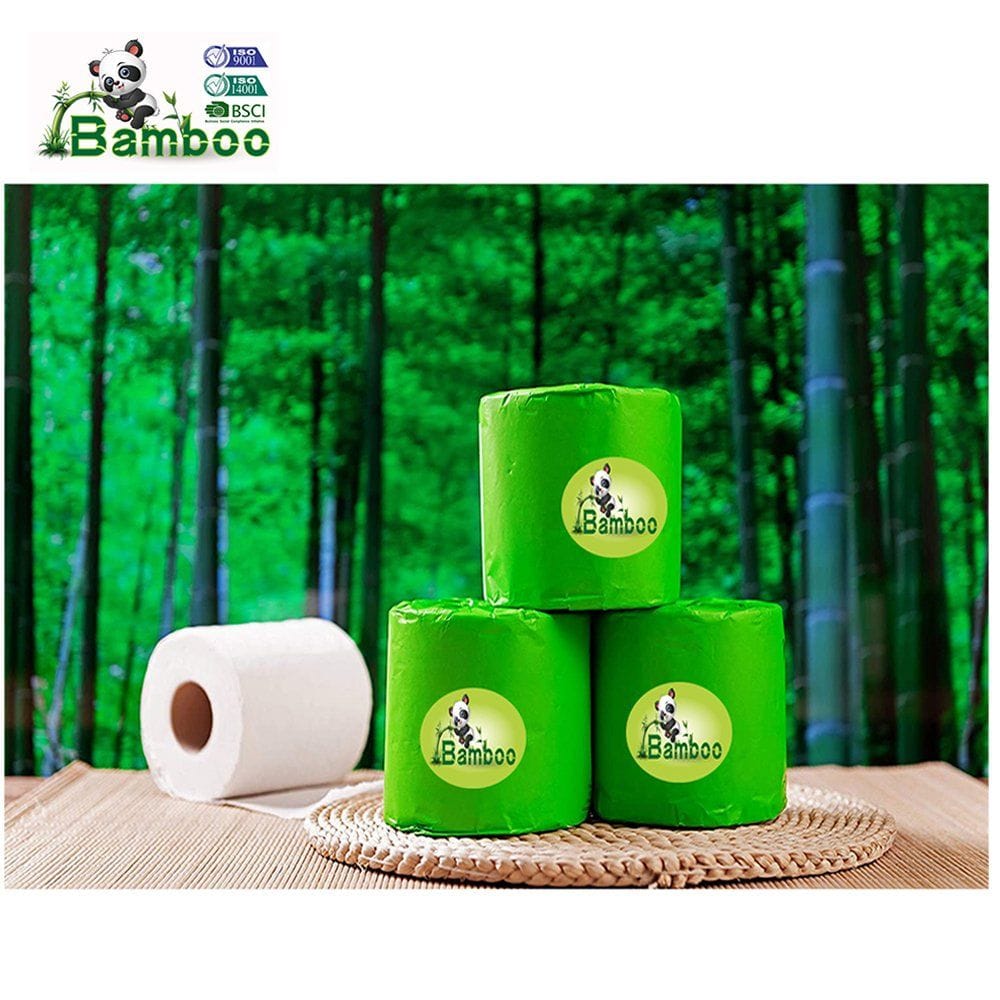
Across the rural expanses of Zhejiang, an ancient resource is being re-engineered into a modern, scalable alternative to the polymers that choke our oceans and drainage systems. This is not merely a return to traditional craftsmanship; it is the birth of an integrated industrial system that converts the ‘green steel’ of the forest into a versatile substitute for the plastic age.
What distinguishes the Chinese model is the seamless transition from grove to factory. Unlike conventional timber, bamboo reaches maturity within three to five years and regenerates without the need for replanting—a biological miracle that local farmers now treat as a long-term economic asset. At processing facilities visited by this correspondent, raw stalks are systematically converted into fibres and engineered materials. These are no longer confined to the curiosity shops of old; they are being transformed into kitchen utensils, furniture, heavy-duty packaging, and even construction components. The shift is underpinned by years of technological refinement and robust state policy.
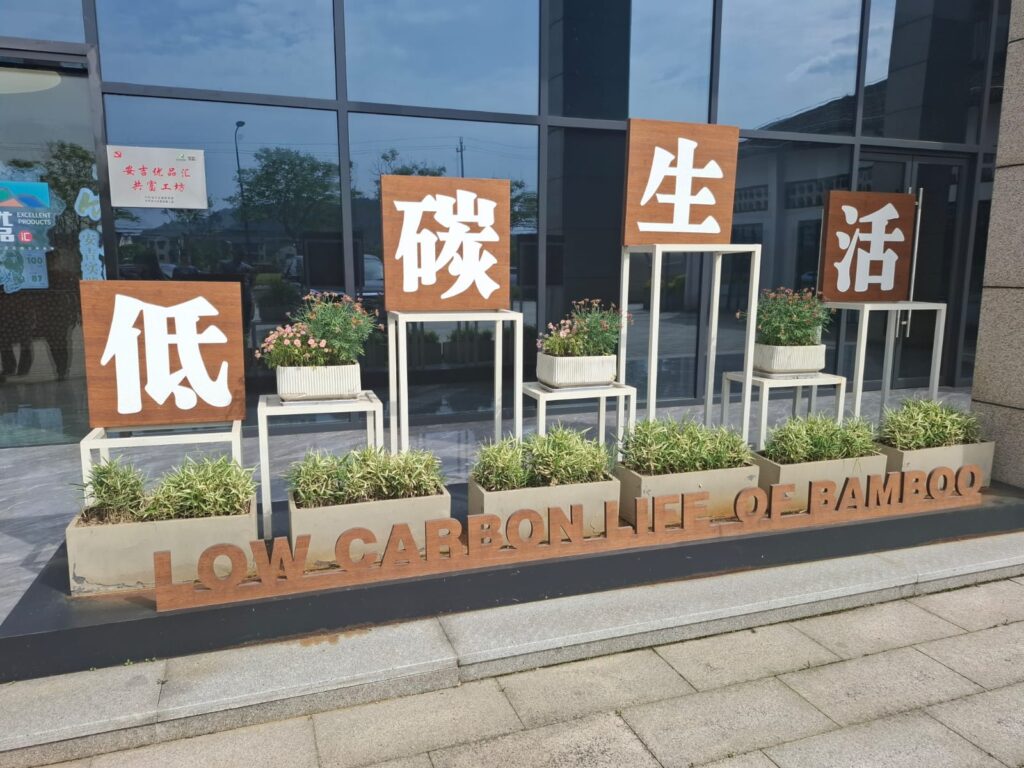
In 2022, Beijing—in collaboration with international partners—launched the ‘Bamboo as a Substitute for Plastic’ initiative. The programme is a strategic attempt to balance economic growth with ecological survival. In urban settings and rural villages alike, bamboo-based shopping bags and containers are emerging as practical replacements for single-use plastics—a problem that has reached crisis proportions across South Asia.

For Pakistan, the implications are profound. From Karachi to Peshawar, plastic waste remains a primary culprit in urban flooding and environmental degradation. While various provincial governments have announced ‘bans’ on polythene bags, these measures have largely faltered due to the lack of affordable, durable alternatives.
Environmental analysts suggest that China’s model provides a ready-made framework for Pakistan. The country possesses suitable climatic conditions for bamboo cultivation, particularly in parts of Khyber Pakhtunkhwa, Punjab, and Azad Kashmir. Yet, the lack of an industrial bridge has kept bamboo a marginal crop, limited to decorative use or low-value handicrafts. Through technology transfer and joint ventures with Chinese firms, Pakistan could bridge this gap. Establishing a domestic bamboo industry would offer a triple dividend: providing farmers with a high-yield cash crop, reducing the import bill for plastic raw materials, and creating green jobs in manufacturing.

However, the transition requires more than just high-level rhetoric. Stakeholders caution that adopting such a model in Pakistan would require a coordinated policy shift—including incentives for green industries, investment in research and development, and aggressive public awareness campaigns to alter consumer behaviour.
The takeaway from the Zhejiang mountains is simple yet powerful: sustainable solutions need not always be high-cost or overly complex. Often, they lie in the intelligent reimagining of naturally abundant resources. For a developing economy like Pakistan, embracing the bamboo option may be the most practical path toward an ecologically resilient tomorrow.