
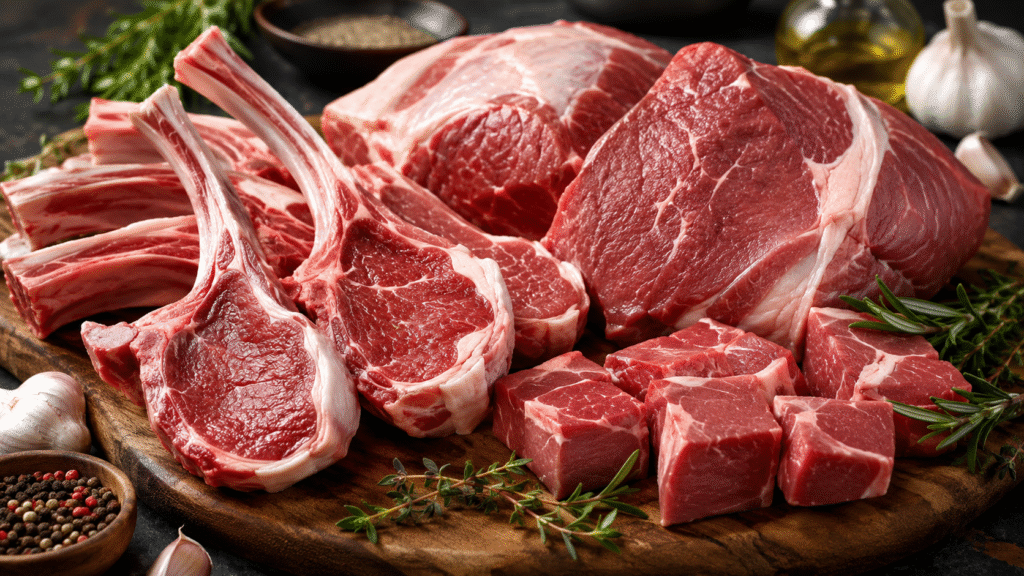
Health concerns about eating meat are mainly linked to red and processed meat, with experts warning that regular intake of processed products may increase the risk of heart disease, cancer and early death.
Red meat, including beef, lamb cow , provides important nutrients such as protein, iron and vitamin B12. However, it can also contain high levels of saturated fat, especially when eaten frequently or in large portions.
Processed meats such as bacon, sausages, ham and salami are considered more harmful. Research has linked higher consumption of processed meat to increased health risks, particularly when intake exceeds moderate levels.
Studies on red meat are less clear. Some research suggests that people who eat higher amounts of red meat face a greater risk of death from cardiovascular disease and cancer, while a large European study found that moderate red meat consumption may not significantly affect overall mortality.
Experts generally agree that balance is the safest approach. Occasional red meat may be acceptable for many people, but processed meat should be limited.
A healthier long-term diet is likely to include more poultry, fish, vegetables, beans, legumes and plant-based proteins, while reducing frequent intake of bacon, sausages and similar processed products.
What the research suggests
The debate remains partly unsettled because studies have produced different findings on moderate red meat consumption. However, the evidence against regular processed meat intake is stronger.
Health experts advise consumers to focus on overall diet quality rather than treating all meat as equally harmful. Reducing processed meat and adding more plant-based foods can lower dietary risks while still allowing flexibility in food choices.