
Scientists say a type of bacteria discovered in Antarctic marine waters may hold promising clues for future cancer treatments, particularly against melanoma, according to new research.
The study suggests that the bacteria, found living on marine organisms known as ascidians (also called sea squirts), produces a toxic compound that can kill melanoma cancer cells while leaving healthy human cells unharmed.
Discovery made during Antarctic research expedition
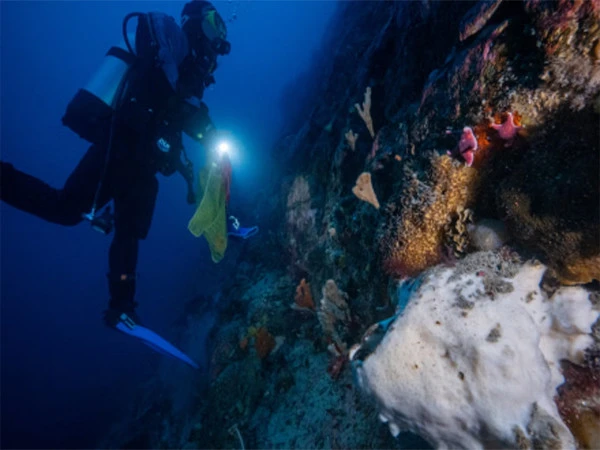
Researchers made the discovery during a six-week scientific expedition to one of the world’s most remote and extreme environments. The team found that the bacteria hosted by ascidians produces biologically active compounds with potential medical applications.
Professor Bill Baker from the University of South Florida, a chemistry expert involved in the study, said the compound demonstrated a rare ability to target cancer cells selectively.
He explained that such selectivity is crucial in drug development, as effective treatments must eliminate disease-causing cells without damaging healthy tissue.
Potential for future cancer therapies
While the findings are still in the early research phase, scientists believe the discovery could contribute to the development of new cancer drugs, especially for skin cancers such as melanoma.
Researchers caution that further studies and clinical testing are needed before any practical medical use can be confirmed.
Also Read : Scientists warn of wider spread of Oropouche virus as infections may be far higher than expected