
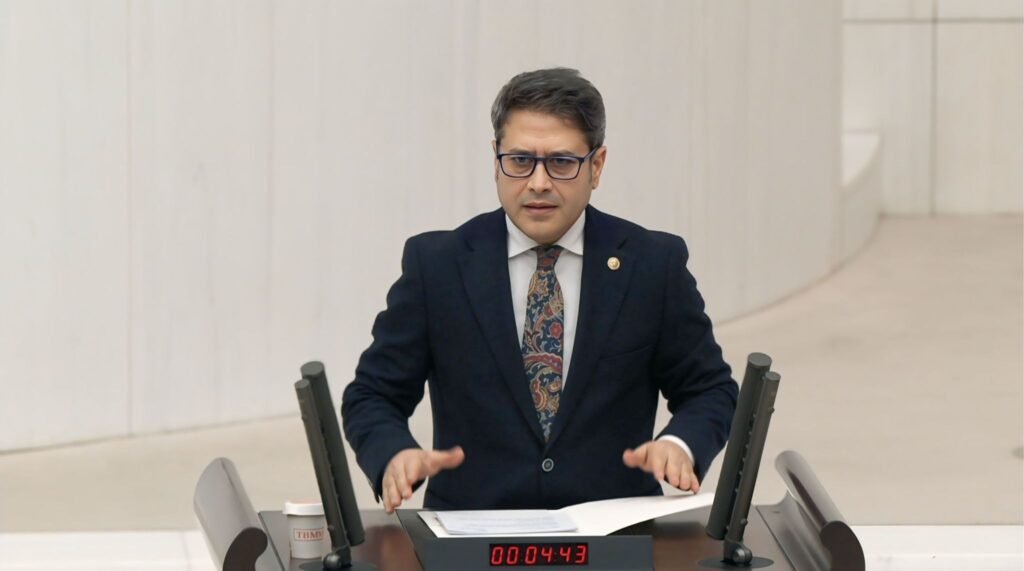
ANKARA — Turkish parliamentarian Ali Şahin has called for granting Pakistan full membership in the Organization of Turkic States (OTS), highlighting deep historical, cultural and strategic ties between the two countries.
In a statement shared on social media, Şahin said Türkiye–Pakistan relations go beyond traditional diplomacy, describing them as rooted in shared history, culture and long-standing people-to-people connections. The proposal comes as regional cooperation among Türkiye, Azerbaijan and Pakistan continues to expand.
Emphasis on historical and cultural links
Şahin pointed to historical connections between Turkic dynasties and South Asia, as well as linguistic and cultural overlaps, including influences within the Urdu language. He also referred to shared intellectual and spiritual traditions, citing the connection between Allama Iqbal and Jalaluddin Rumi.
He said these links form a broader civilizational relationship that continues to shape ties between the two societies.
Strategic and regional dimension
From a geopolitical perspective, Şahin described Pakistan as a key partner for Türkiye in South Asia, aligning with Ankara’s broader regional engagement strategy.
The statement comes amid growing trilateral coordination between Türkiye, Azerbaijan and Pakistan, including recent high-level meetings involving Recep Tayyip Erdoğan, Ilham Aliyev and Shehbaz Sharif.
OTS framework and possible pathways
The OTS, traditionally composed of Turkic-speaking countries, has recently introduced an “OTS+” format aimed at expanding cooperation with non-member states.
Analysts say this framework could provide a pathway for Pakistan’s gradual engagement, potentially beginning with observer status before any full membership is considered.
Official position remains unchanged
No official statement has been issued by Ankara regarding Pakistan’s full membership in the OTS.
Experts remain divided on the proposal, with some highlighting shared strategic interests, while others point to limited economic integration and structural challenges within the organization.