

Travel often begins with a destination in mind, but the real experience is shaped by the moments in between — the unfamiliar streets, unexpected challenges, quiet landscapes and conversations with people along the way. My recent visit to the Philippines was a reminder of how travel can go beyond sightseeing, offering not only beautiful places to explore but also a deeper understanding of local culture, everyday life and the realities that travelers encounter on the road.
I traveled to the Philippines from April 12 to April 23, expecting a relatively simple holiday. Instead, the journey gradually unfolded into an experience that combined natural beauty, cultural encounters and practical travel lessons across several regions of the country.
Manila: First impressions
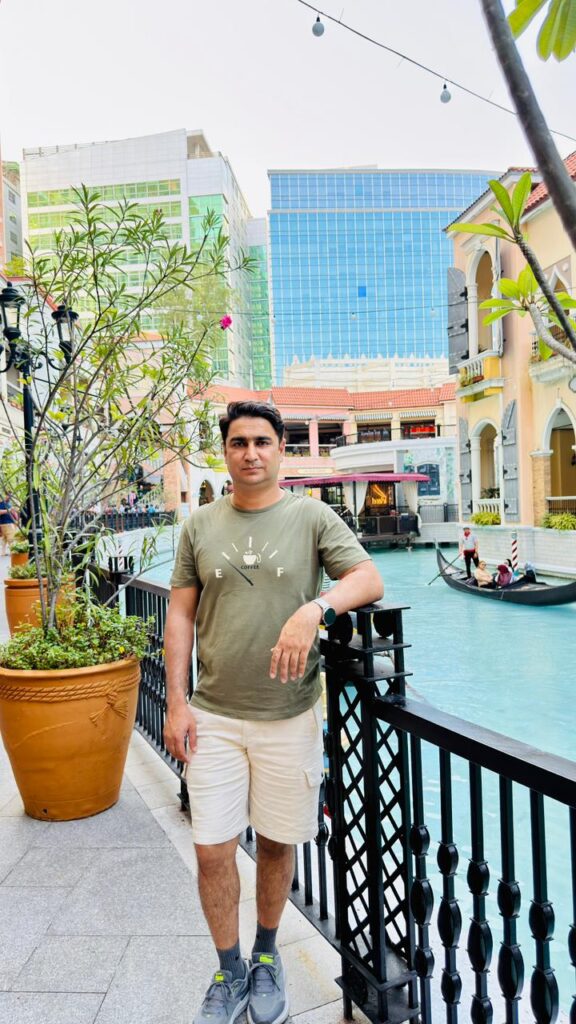
My journey began in Manila, a city that feels constantly in motion. From large shopping malls to the calm stretch of Manila Bay, the contrast between urban energy and coastal quietness stood out. Although my stay in the capital was brief, it offered enough time to understand the rhythm and pace of the city.
Laguna: A slower pace
From Manila, I traveled to Laguna, where the atmosphere shifted noticeably toward a quieter and more natural environment.
In San Pablo City, often referred to as the City of Seven Lakes, I visited Sampaloc Lake. The peaceful surroundings provided a welcome contrast to the busy streets of Manila. Traveling through the area by jeepneys and tricycles added a more local dimension to the experience, reflecting the simplicity and practicality of everyday life.
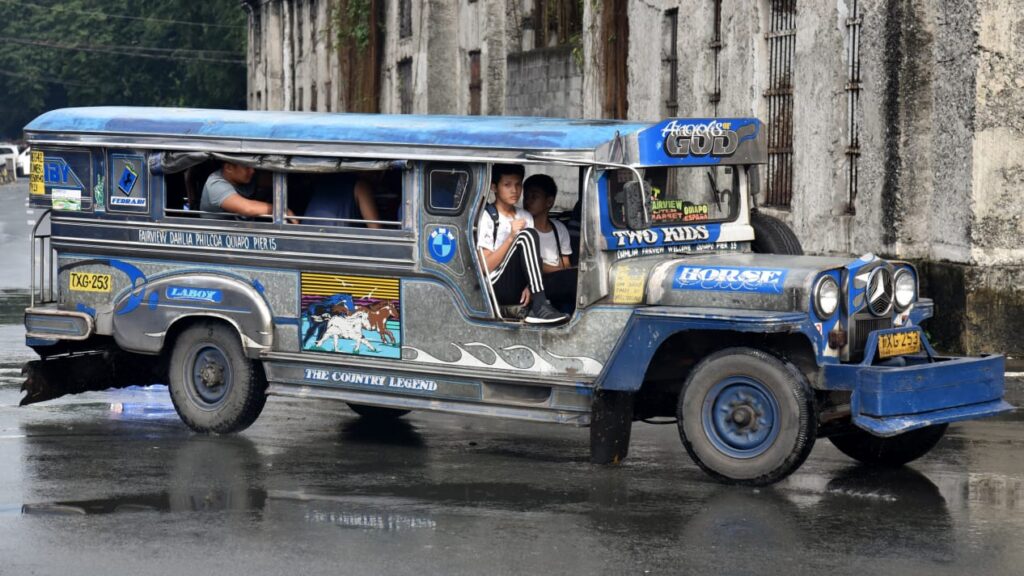
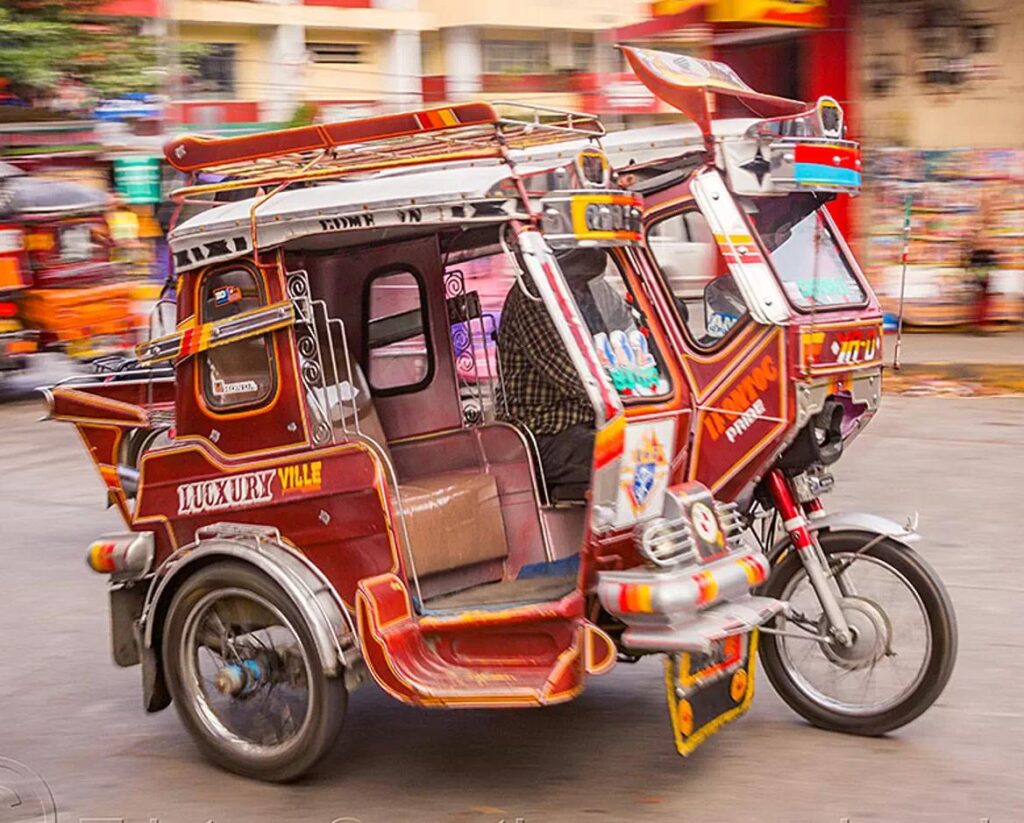
I also visited Hulugan Falls, which required nearly two hours of travel and trekking to reach. The journey was physically demanding at times, but the scenery made the effort worthwhile. Aliw Falls offered another refreshing stop, surrounded by greenery and a calm atmosphere.
Batangas: Time on the water
One of the highlights of the trip was visiting Batangas (Calatagan) for a coastal experience.
Before arriving, I had pre-booked a floating cottage boat for around 8,000 pesos. However, upon arrival, the price was unexpectedly increased to 13,000 pesos. With limited time and few alternatives available at that moment, I eventually booked another boat for 13,500 pesos.
Despite the setback, the overall experience on the water proved memorable.
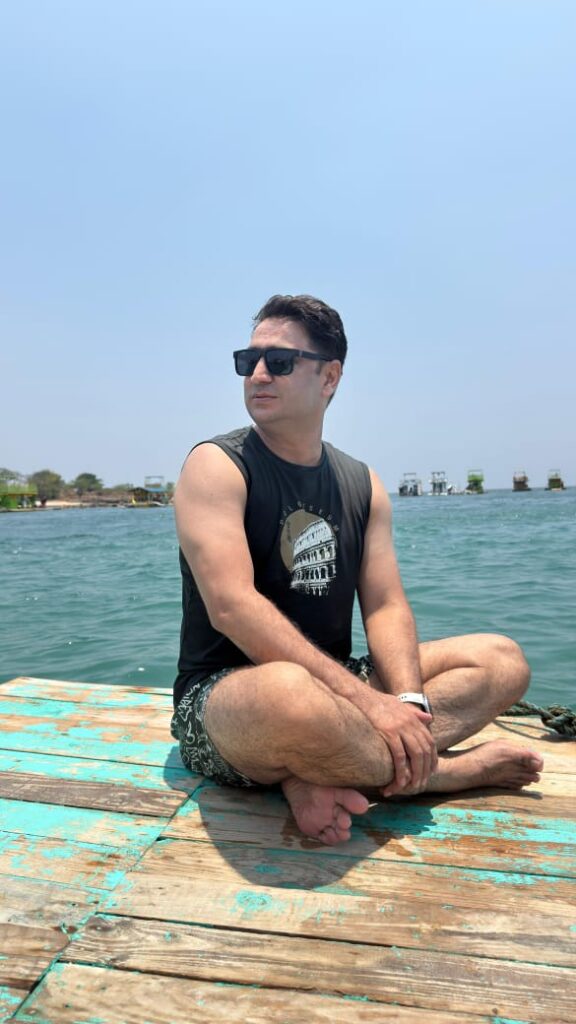
The six-to-seven-hour trip included visits to Starfish Island, snorkeling spots and a sandbar locally known as Sajo Bar. The clear water, open sea views and quiet surroundings created a sense of calm that became one of the most enjoyable parts of the journey.
At the same time, the pricing issue highlighted a challenge that travelers can encounter in different destinations around the world. Transparent pricing practices and stronger tourism oversight remain important in building trust and reliability for international visitors.
Tagaytay: Elevated views
Later in the trip, I visited Tagaytay, a destination known for its cooler climate and elevated viewpoints.

Overlooking Taal Lake, the scenery offered a completely different landscape from the coastal areas visited earlier in the journey. At People’s Park in the Sky, panoramic views stretched across the surrounding region, adding another memorable perspective to the trip.
One practical limitation, however, was that many attractions and establishments close relatively early in the evening, making time management important for visitors planning a short stay.
Back in Manila
Returning to Manila for the final part of the trip, I rented a car using an international driving license, which made it easier to move around independently and revisit several parts of the city.
I spent more time around By the Bay, which remained one of the most relaxing and visually appealing areas in Manila, especially during the evening hours.
A notable incident
While driving through the city, I mistakenly entered the wrong lane while following navigation directions. A traffic warden stopped me and initially imposed a fine of 3,000 pesos.
Instead of proceeding through an official process, however, he requested and accepted 1,000 pesos as a bribe before allowing me to continue driving — on the same lane he had identified as incorrect — while also giving me priority passage.
The incident reflected a challenge that travelers may occasionally encounter in different parts of the world. For visitors, it reinforces the importance of awareness and caution. For authorities, it highlights the value of transparency, accountability and consistent law enforcement in maintaining public trust.
Reflections
The Philippines offers a compelling mix of landscapes, from lakes and waterfalls to islands, coastal stretches and elevated viewpoints. The people are generally welcoming and approachable, and the food was enjoyable throughout the trip, although finding halal options sometimes required advance planning.
Like any destination, the experience included both memorable moments and practical challenges. In many ways, these experiences become part of what defines travel itself and shapes how a place is ultimately remembered.

Final thoughts
This journey through the Philippines was defined not only by the destinations I visited, but also by the experiences encountered along the way. With preparation, awareness and flexibility, the Philippines offers travelers a combination of natural beauty, cultural warmth and meaningful experiences that extend beyond typical tourism.
Also read: What I experienced in Thailand