
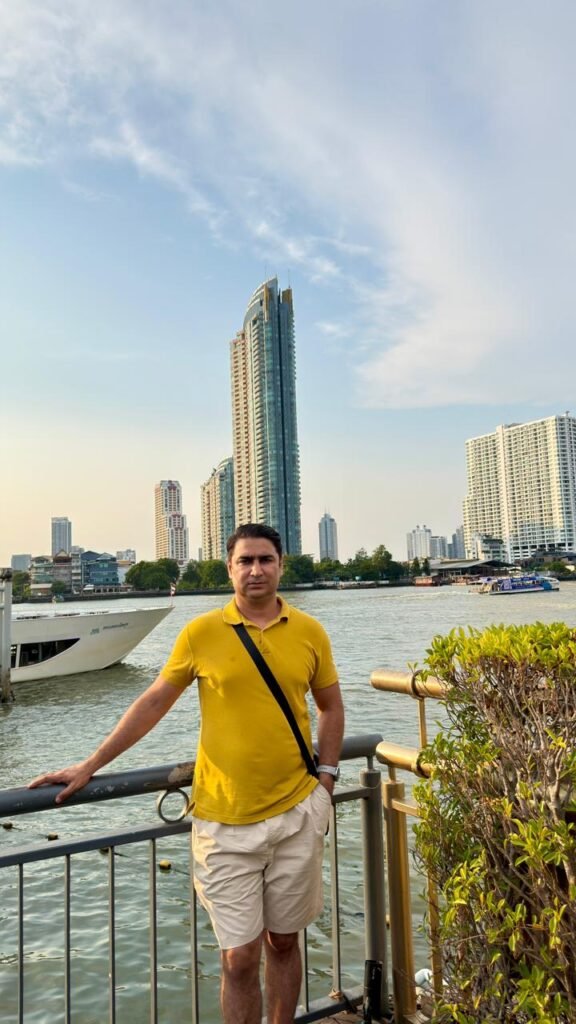
Travel is often described as a bridge between cultures, but at times it also becomes a mirror—reflecting both the strengths of global systems and the areas where greater inclusivity can still be achieved. My recent journey from Islamabad to Thailand was one such experience, combining seamless travel, cultural immersion, and thoughtful observation.
From the outset, the experience with Thai Airways set the tone for the trip. Known for its service standards, the airline delivered a consistently smooth and comfortable journey. The crew remained attentive throughout, ensuring passenger needs were met with professionalism and care.
A particularly noteworthy aspect was the facilitation provided by Muhammad Imran, Ticket Office Manager at Thai Airways International’s Islamabad office. His coordination and guidance prior to departure made the entire process—from ticketing to boarding—remarkably efficient. Such support reflects how strong ground operations can significantly enhance the overall travel experience.
For travelers from Pakistan, dietary considerations are often a concern when flying internationally. Thai Airways addressed this effectively by offering halal meal options upon request, a detail that reflects both cultural awareness and customer sensitivity.
Arriving in Thailand, the first impression was one of order and efficiency. Bangkok’s Suvarnabhumi Airport operates with a level of organization that minimizes confusion, even for first-time visitors. Immigration processes were streamlined, signage was clear, and the overall environment was welcoming.
Beyond the airport, Bangkok presents a dynamic contrast between modern infrastructure and deep-rooted tradition. The city’s skyline—marked by high-rise buildings and commercial centers—coexists with centuries-old temples that continue to define Thailand’s cultural identity.
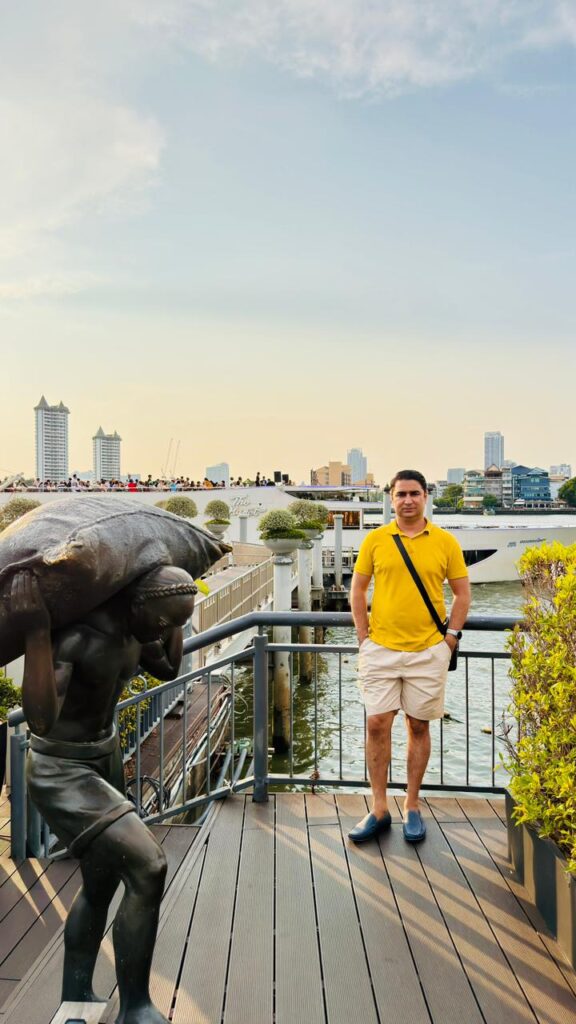
One of the most iconic landmarks, the Grand Palace, stands as a testament to the country’s rich history and architectural excellence. Walking through its intricate courtyards offers visitors a glimpse into Thailand’s royal heritage. Nearby, Wat Phra Kaew, home to the Emerald Buddha, remains one of the most revered religious sites in the country.
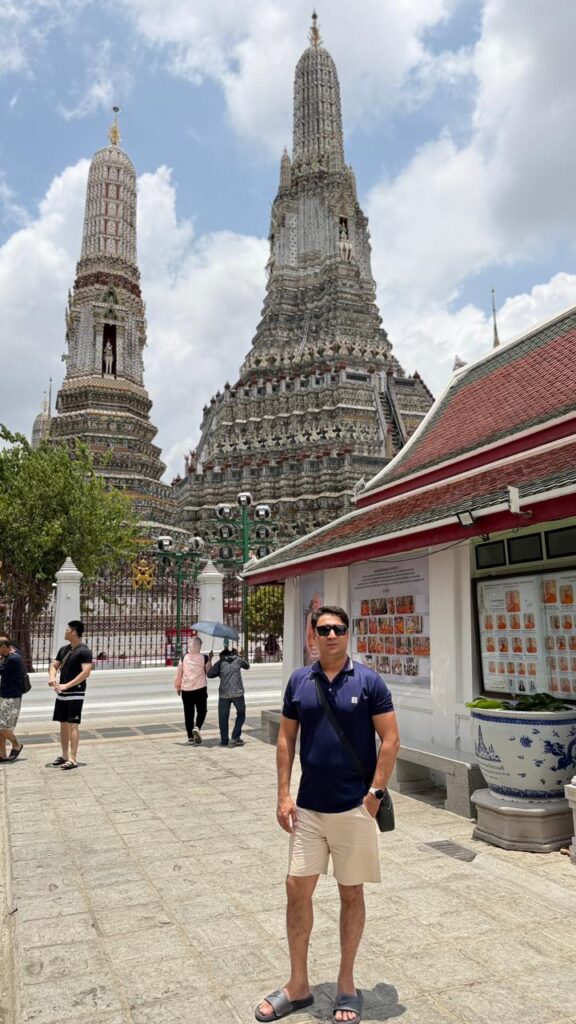
Another memorable experience is visiting Wat Arun, also known as the Temple of Dawn. Located along the Chao Phraya River, its unique design and riverside setting make it one of the most visually striking landmarks in Bangkok, particularly at sunset.
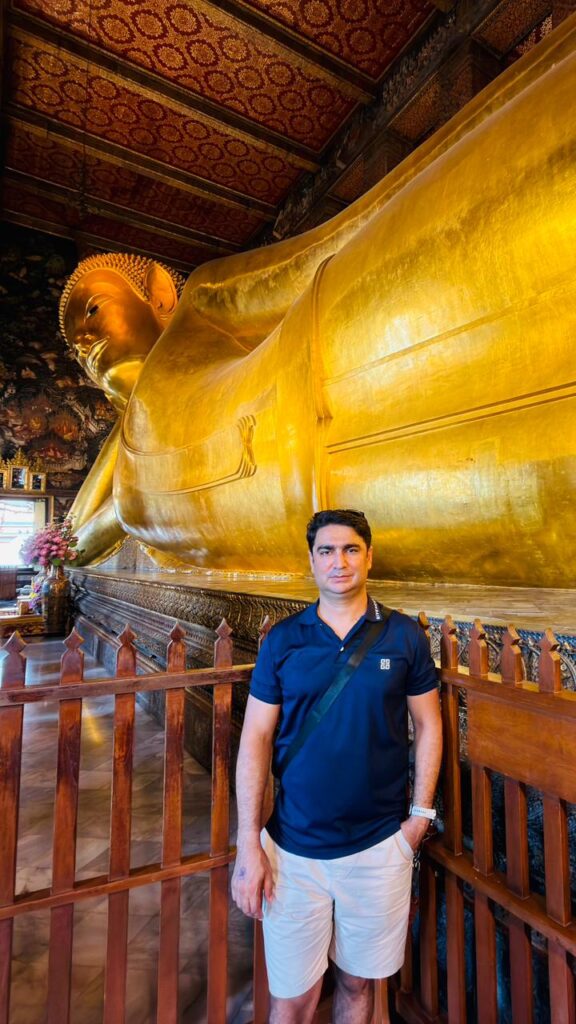
Another significant cultural site is Wat Pho, famous for its massive Reclining Buddha and as a center of traditional Thai massage. Its serene courtyards and historic importance add depth to Bangkok’s rich religious landscape.
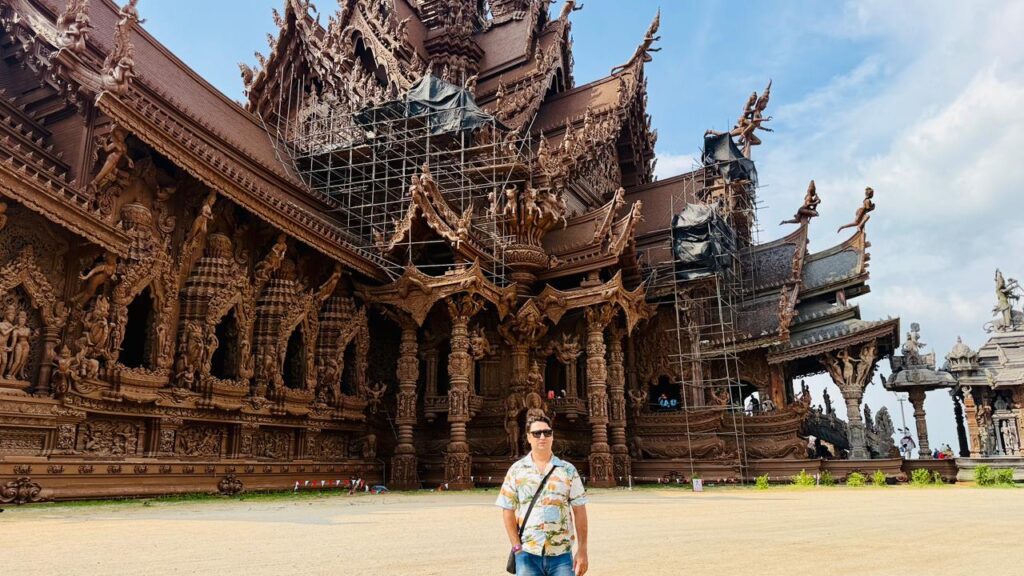
A visit to the Sanctuary of Truth offers a different yet equally captivating perspective. This remarkable wooden structure, often described as a museum of philosophy and craftsmanship, is entirely hand-carved and reflects traditional Thai architecture blended with spiritual symbolism. It stands as a unique cultural site that highlights Thailand’s artistic heritage and philosophical depth.
For those seeking a more contemporary experience, Bangkok’s shopping culture is equally impressive. Malls such as Siam Paragon and MBK Center offer a wide range of international brands, local products, and dining options, all within well-managed and accessible environments.
Street markets, on the other hand, provide a completely different experience. The Chatuchak Weekend Market offers everything from handcrafted goods to street food, creating an atmosphere that is both vibrant and authentic.
Thailand’s appeal extends beyond Bangkok. Destinations like Phuket and Krabi offer breathtaking natural beauty, with clear waters, limestone cliffs, and serene beaches that attract travelers seeking relaxation and adventure alike.
However, alongside these positive experiences, travel also brings attention to certain practical challenges. From a Muslim traveler’s perspective, one noticeable issue was the limited availability of water facilities in washrooms at airports and public places. Most facilities rely solely on tissue paper, which may not align with the practices of many Muslim visitors.
This is not unique to Thailand and is common across many parts of the world. However, given the increasing number of Muslim tourists, the introduction of more inclusive facilities could significantly enhance comfort and accessibility.
It is important to note that this observation does not diminish the overall quality of the travel experience. Thailand remains a highly organized and welcoming destination, with a strong focus on hospitality and service excellence.
Travel, ultimately, is about perspective. This journey to Thailand highlighted both the strengths of global tourism and the small improvements that can make it even more inclusive.