
SULAWESI: Archaeological evidence from Indonesia suggests humans were using a psychoactive plant substance as far back as 25,000 years ago, pushing the known history of habitual drug use thousands of years further into the past.
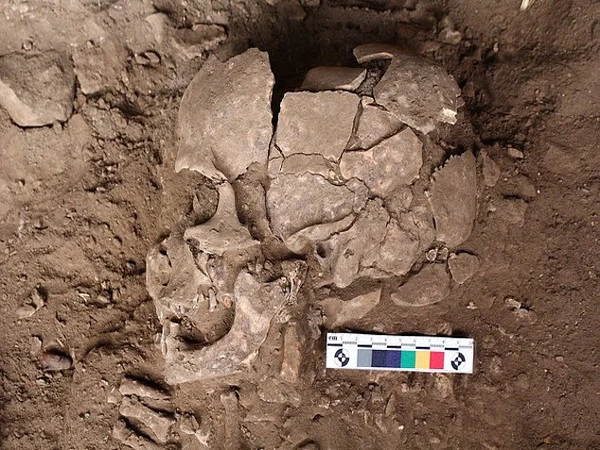
Researchers from Griffith University and Indonesian institutions identified unusual dental wear and traces of arecoline, the main psychoactive compound in betel nut, in the remains of two prehistoric hunter-gatherers from Sulawesi. The findings, published in Science Advances, suggest the individuals repeatedly sucked whole betel nuts, likely producing a mild psychoactive and numbing effect.
Ancient Teeth Reveal Betel Nut Use
One of the individuals lived between approximately 25,000 and 16,000 years ago, while the second lived around 7,600 to 6,300 years ago. Both remains showed distinctive deep, rounded grooves in their teeth that researchers linked to repeatedly holding or sucking a hard, rounded object.
Chemical analysis detected arecoline in dental tissue, providing additional evidence that the individuals had consumed betel nut. Experiments using artificial saliva and laboratory-grown cells with human neural receptors also indicated that sucking an intact betel nut can release enough arecoline to produce a physiological effect, although likely less strongly than modern betel-nut chewing with slaked lime.
Betel nut is the seed of the Areca catechu palm and remains widely used across parts of Asia and the Pacific. It is considered one of the world’s most commonly consumed psychoactive substances, alongside alcohol, caffeine and nicotine.
Possible Pain Relief Came With a Cost
Researchers believe the prehistoric users may have sought the numbing effect of betel nut to relieve toothache. However, prolonged sucking of the abrasive nuts severely damaged their teeth, in some cases exposing the inner pulp and potentially causing further pain and infection.
This may have created a cycle in which the substance was used to relieve dental pain but gradually contributed to additional dental damage.
The discovery predates the previously known archaeological evidence of human psychoactive substance use, including evidence associated with beer production in the ancient Middle East. Researchers say the findings indicate that habitual use of psychoactive plants may have been part of human life long before the development of agriculture.
The study provides evidence of betel-nut use rather than proving that the individual was a “drug user” in the modern sense, and researchers say the discovery could help scientists investigate even earlier examples of prehistoric plant-based substance use.