
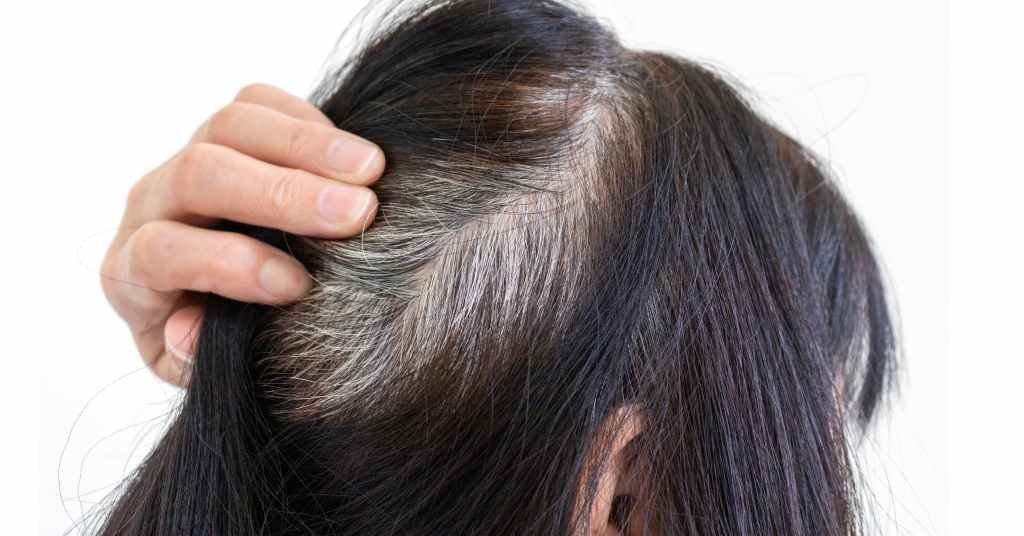
Premature greying can be frustrating, but understanding its possible causes and choosing hair colour carefully can help you make informed decisions.
Grey hair is commonly associated with ageing. However, some people begin noticing white or grey strands in their 20s or 30s, raising questions about why it happens and how to manage it.
Why Does Hair Turn Grey at an Early Age?
Genetics is generally considered one of the main factors behind premature greying. If early greying runs in your family, you may be more likely to experience it as well.
Nutritional deficiencies, including vitamin B12 deficiency, certain health conditions and lifestyle-related factors may also contribute to changes in hair pigmentation.
What Should You Check Before Buying Hair Colour?
Choosing a hair dye involves more than selecting a shade or comparing prices. Checking the ingredients on the packaging is equally important.
- Ammonia: Used in some permanent hair dyes to help colour penetrate the hair. It may cause irritation or discomfort in some people.
- PPD (para-phenylenediamine): Commonly found in darker, long-lasting hair dyes, this ingredient can trigger allergic reactions in susceptible individuals.
- Fragrances and other ingredients: Certain components may cause skin reactions, particularly in people with sensitive skin.
Products labelled ammonia-free or PPD-free may appeal to people seeking alternatives, but these labels do not guarantee that a product is allergy-free. Always check the full ingredient list and follow the product’s safety instructions.
How Often Should You Colour Your Hair?
There is no single schedule that works for everyone. The appropriate interval depends on how quickly your hair grows, how much grey hair you have and which product you use.
If only a few strands have turned grey, occasional touch-ups may be sufficient. When grey roots become more visible around the temples, hairline or parting, more frequent maintenance may be needed.
People using permanent hair colour often retouch their roots every four to six weeks, although the recommended interval varies by product and individual needs.
If the colour along the lengths of your hair remains intact, colouring only the roots may help reduce unnecessary chemical exposure. Repeatedly applying dye to the entire length can increase the risk of dryness and hair damage.
Safety Precautions When Using Hair Dye
Keep these precautions in mind before colouring your hair:
- Choose a temporary or permanent product according to your needs.
- Follow the manufacturer’s instructions and never leave the dye on longer than directed.
- Consider colouring only the roots when that is sufficient.
- Use a suitable conditioner to help manage dryness.
- Perform the allergy alert test specified on the product packaging before every application, even if you have used the same dye before.
- Stop using the product if you experience irritation. Severe swelling, breathing difficulties or other serious allergic symptoms require urgent medical attention.
The bottom line: Premature greying may be influenced by genetics, nutritional deficiencies and certain health conditions. If greying develops suddenly or is accompanied by other symptoms, consider consulting a healthcare professional. When using hair dye, ingredient awareness and proper safety precautions are essential.