
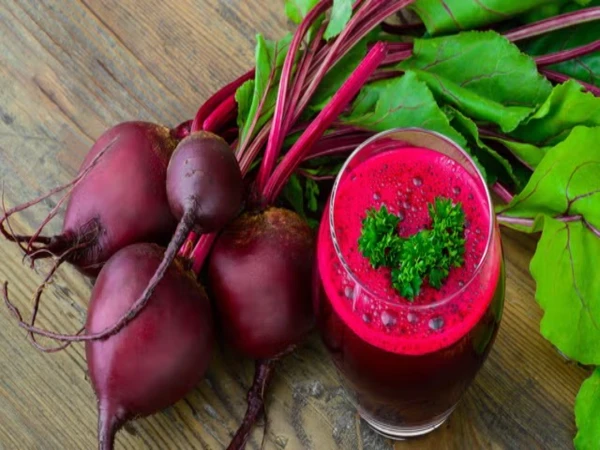
Beetroot juice has become popular among people looking to add nutrient-rich drinks to their daily diets. Its naturally occurring nitrates and antioxidants are among the main reasons it has attracted scientific interest.
Research suggests that the nitrates found in beetroot can be converted by the body into nitric oxide, a compound that helps relax and widen blood vessels. This mechanism may contribute to several cardiovascular and exercise-related benefits.
May Help Support Healthy Blood Pressure
The nitric oxide produced from dietary nitrates can promote blood-vessel relaxation, potentially helping to lower blood pressure in some people. Studies have found reductions in blood pressure following beetroot or nitrate consumption, although the effect can vary between individuals.
May Improve Blood Flow to the Brain
Improved blood-vessel function may also influence blood flow to certain areas of the brain. Research has investigated whether dietary nitrates from beetroot can support cerebral blood flow, particularly in older adults.
May Support Exercise Performance
Beetroot juice has also attracted attention in sports nutrition. Increased nitric oxide availability may help muscles use oxygen more efficiently during physical activity, potentially improving exercise endurance and performance in some circumstances.
Supports Blood-Vessel Health
The nitrates and other plant compounds found in beetroot may contribute to healthy blood-vessel function. Maintaining normal vascular function is an important part of overall cardiovascular health.
Rich in Antioxidants
Beetroot contains betalains and other antioxidant compounds. These substances can help protect cells from oxidative stress and are part of the vegetable’s nutritional value.
However, beetroot juice should not be considered a treatment or cure for any medical condition and should not replace prescribed medication or professional medical advice. People with health conditions or those taking medication should discuss significant dietary changes with a healthcare professional.