
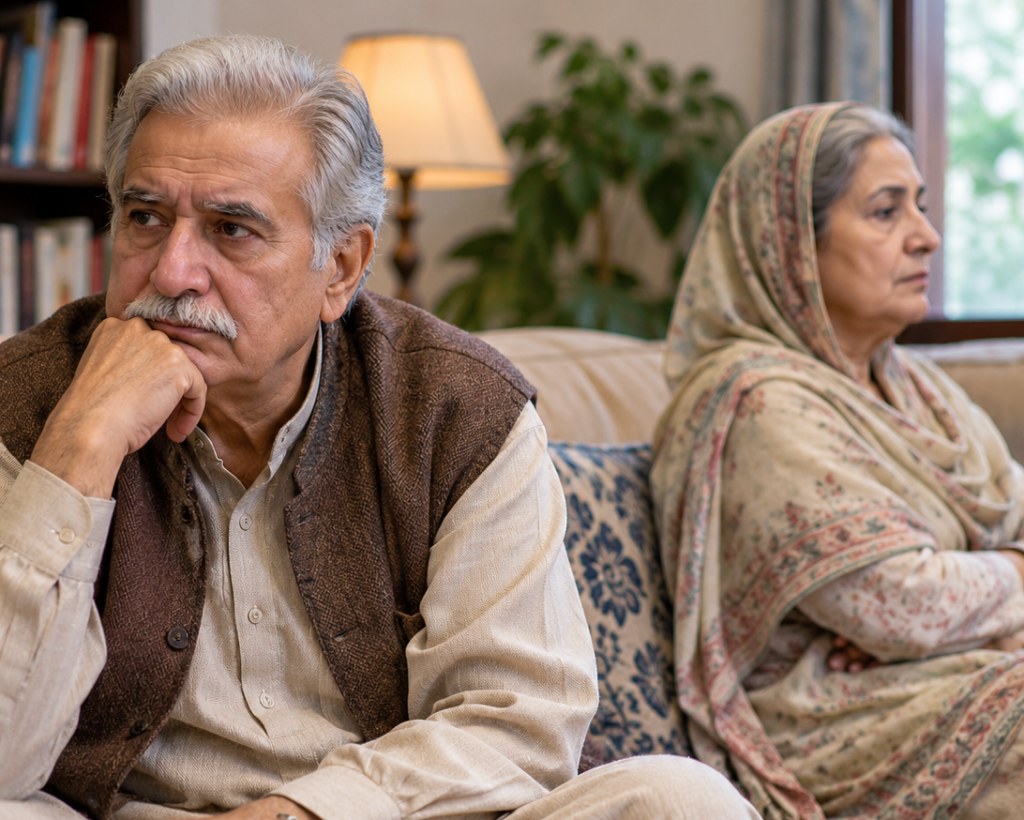
An unhappy relationship with a spouse may have implications beyond emotional well-being, as new research suggests that chronic loneliness associated with poor marital relationships could increase the risk of dementia.
A study conducted by researchers at the University of Bordeaux in France found that people who experience dissatisfaction in their married lives may be more vulnerable to chronic loneliness, which is associated with a higher risk of dementia.
According to the research, persistent loneliness may increase the risk of developing dementia by up to 38 per cent.
The study analysed data from 3,777 people aged over 65, collected between 1988 and 2018.
Researchers divided participants into three groups: those who never experienced loneliness, those who experienced it occasionally, and those who suffered from chronic loneliness.
They then examined dementia cases over the following 20 years.
The findings showed that 49 per cent of participants experiencing chronic loneliness developed dementia, compared with 33 per cent among those who never experienced loneliness and 34 per cent among those who experienced it occasionally.
Researchers emphasised that occasional loneliness is not necessarily harmful, as most people experience it at some point in their lives. However, when loneliness becomes persistent, the associated risk of dementia may increase.
How Chronic Loneliness May Affect Brain Health
According to researchers, chronic loneliness may activate inflammatory processes in the body. People experiencing persistent loneliness may also be less physically active and more likely to develop unhealthy dietary habits, potentially contributing to dementia risk.
The study also highlighted that living with a spouse does not necessarily prevent loneliness. Several participants experienced chronic loneliness despite sharing their homes with their partners.
Researchers suggested that poor relationships between spouses can contribute to loneliness, potentially increasing the risk of dementia.
The findings were published in the journal Aging & Mental Health.