
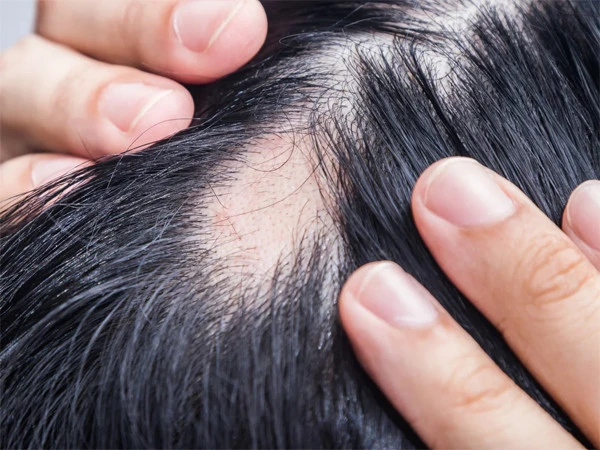
Researchers say GLP-1 medications may be associated with a higher risk of hair loss, but further studies are needed to confirm the connection.
A new study has suggested that some widely used GLP-1 weight-loss medications may be associated with an increased risk of hair loss (alopecia), although researchers stress that more evidence is needed to establish a direct causal relationship.
According to the study, a number of people using GLP-1 receptor agonists, including Mounjaro (tirzepatide), Ozempic (semaglutide), and Wegovy (semaglutide), have reported hair loss to regulatory authorities. The findings are based on an analysis involving nearly 50,000 participants.
These medications are primarily prescribed to treat type 2 diabetes and obesity. They work by mimicking naturally occurring hormones that help regulate blood sugar levels and reduce appetite.
Researchers from the University of Pennsylvania Health System compared people taking GLP-1 medications with those using other diabetes treatments to assess differences in reported rates of hair loss.
The study noted that U.S. regulatory agencies have received numerous reports of hair loss following the use of semaglutide and tirzepatide.
According to the UK Medicines and Healthcare products Regulatory Agency (MHRA), there were 399 reports of hair loss linked to tirzepatide in 2026, compared with 541 reports the previous year. The agency also received 148 reports associated with semaglutide in 2026, following 164 reports in the previous year.
Researchers emphasized that the findings indicate a possible association, not proof that the medications directly cause hair loss. They said additional clinical research is needed to determine whether the drugs themselves, rapid weight loss, nutritional changes, or other factors are responsible.
Patients are advised not to stop taking prescribed medication without consulting their healthcare provider, as the benefits and risks of treatment should be evaluated on an individual basis.
Also Read : Study Suggests Drinking Water During Meals May Increase Food Intake