
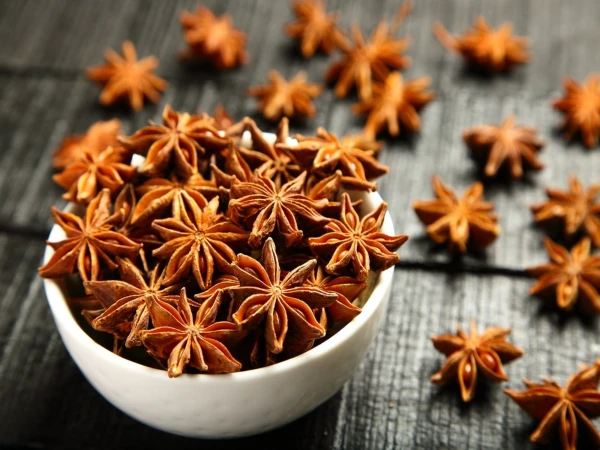
KARACHI, September 28, 2026: Star anise, known for its distinctive aroma and flavour, is widely used as a culinary spice and has also been traditionally consumed as a tea or infusion for digestive discomfort.
Traditional uses include relief from symptoms such as gas, indigestion and abdominal discomfort. Some clinical research on anise (Pimpinella anisum), a different plant from star anise, has also reported potential benefits for certain digestive symptoms, although the available evidence does not establish star anise tea as a treatment for medical conditions.
What Are the Potential Digestive Benefits?
Anise has been studied in people with functional dyspepsia and other gastrointestinal complaints. A randomized clinical trial involving 107 patients found that four weeks of anise powder was associated with improvements in symptoms of post-meal digestive discomfort compared with placebo.
Another randomized trial found that anise powder may help improve some gastrointestinal symptoms, including abdominal pain and diarrhea, although that research involved adults with COVID-19 and should not be interpreted as evidence that star anise tea treats digestive disorders generally.
Star anise itself contains aromatic compounds and is traditionally used in foods and beverages, but stronger clinical evidence is needed to establish specific health benefits from drinking star anise tea.
How Is Star Anise Tea Prepared?
A small amount of food-grade Chinese star anise (Illicium verum) can be steeped in hot water to make an infusion. It is important to use a properly identified culinary product rather than an unknown plant or herbal mixture.
Star anise is primarily recognised as a food flavouring ingredient, rather than as a proven treatment for disease.
Important Safety Precaution
Consumers should make sure they are using Chinese star anise (Illicium verum). Japanese star anise (Illicium anisatum) looks similar but is poisonous and contains neurotoxic compounds. The U.S. Food and Drug Administration has previously linked improperly identified or contaminated star-anise teas with illnesses including neurological symptoms and seizures.
People who are pregnant, breastfeeding, giving herbal preparations to children, or taking regular medicines should consult a healthcare professional before using concentrated herbal preparations regularly.
Star anise tea should therefore be viewed as a traditional beverage rather than a substitute for medical treatment. Persistent indigestion, abdominal pain, nausea or other symptoms should be evaluated by a healthcare professional.