
The Sindh Institute of Child Health and Neonatology (SICHN) has reported a significant reduction in newborn mortality rates across its medical centres over the past four years, highlighting improvements in neonatal intensive care and specialised treatment facilities.
A survey conducted at the Mother and Child Health Centre established at Jinnah Hospital found that the newborn mortality rate had declined to 15, according to the report.
Experts at the institute expressed confidence that the rate would decrease further next year, bringing Pakistan closer to the United Nations’ global target.
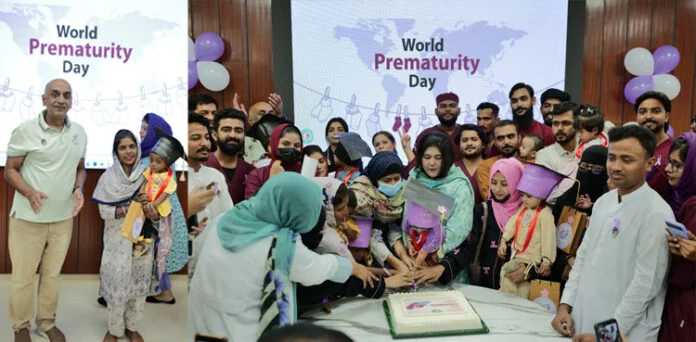
The development was shared by Dr. Syed Rehan Ali, Head of the Neonatal Intensive Care Unit (NICU) at SICHN Korangi, while addressing an event marking World Prematurity Day.
Dozens of children who had been born weighing one kilogram or less attended the event with their parents. Despite facing serious medical complications at birth, these children had recovered after receiving specialised treatment.
Dr. Rehan Ali said newborn deaths remained a major public health challenge in Pakistan, where approximately 37 out of every 1,000 live-born babies die within the first 28 days of life.
He said improvements in intensive care facilities, stronger treatment systems and specialised medical support for premature babies had helped SICHN significantly reduce mortality rates across its network.
According to Dr. Rehan Ali, when the initiative began four years ago, the mortality rate stood at 37 deaths per 1,000 newborns. He expressed confidence that the figure could be reduced to 12 by next year, allowing the country to achieve the global target well before 2030.
He explained that the United Nations Sustainable Development Goals aim to reduce newborn mortality to no more than 12 deaths per 1,000 live births by 2030. However, inadequate maternal and child healthcare facilities, particularly in underdeveloped areas of Pakistan, continue to make this target difficult to achieve.
Dr. Rehan Ali said more than 10 million babies worldwide are born prematurely every year. Premature birth is among the major causes of medical complications and newborn deaths.
Such babies may experience breathing difficulties, infections and other health complications during their first weeks of life, often requiring specialised medical care and extended hospital stays.
He said the survival of extremely underweight and premature babies demonstrated the importance of timely medical intervention, trained specialists and well-equipped neonatal intensive care units.
The World Prematurity Day event was attended by paediatricians, neonatal specialists, doctors, nurses and families whose children had recovered after receiving treatment at SICHN.
Several parents shared their experiences of the challenges following premature births, lengthy treatment and their children’s recovery. Some of the children attending the event had weighed one kilogram or less at birth and required intensive care before being discharged from hospital.
Their participation offered hope and encouragement to other families facing similar circumstances.
Dr. Rehan Ali urged parents not to lose hope when a baby is born prematurely, saying modern medical facilities and timely treatment had significantly improved survival chances for extremely low-birth-weight infants.
“Every child is precious, and every child has the right to live,” he said, adding that the institute would continue its efforts to prevent newborn deaths through timely treatment and appropriate medical facilities.
Experts attending the event stressed the need to improve maternal healthcare during pregnancy, ensure early diagnosis of high-risk pregnancies, transfer high-risk expectant mothers to appropriate medical facilities and expand access to neonatal intensive care units.
They said SICHN’s performance over the past four years demonstrated that specialised facilities, trained staff and sustained efforts could significantly reduce newborn mortality, particularly among premature and extremely low-birth-weight babies.