
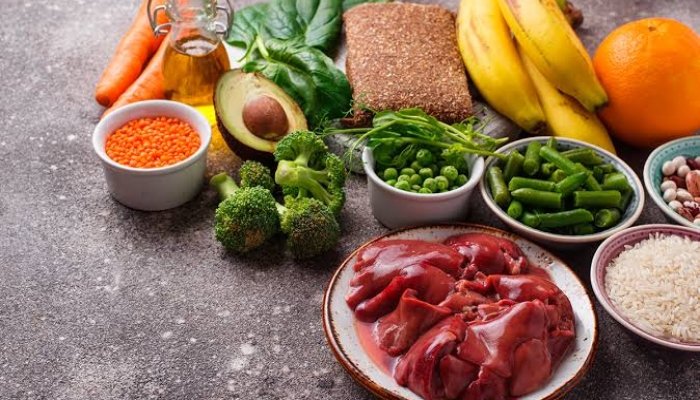
A lack of red blood cells in the body can lead to anaemia, a condition that may cause several symptoms and health complications. The good news is that consuming foods rich in essential nutrients can help the body produce red blood cells. However, persistent symptoms should be evaluated by a healthcare professional.
Symptoms of Anaemia
Common symptoms associated with a low red blood cell count include:
Fatigue and weakness
Dizziness
Difficulty breathing
Increased heart rate
If left untreated, anaemia can lead to serious complications.
Causes of Anaemia
Several factors can contribute to a reduced red blood cell count, including:
Low iron levels in the blood
Cancer and cancer treatment
Chronic kidney disease
Bleeding
Organ failure
Nutritional deficiencies
Who Is at Greater Risk?
Certain groups may have a higher likelihood of developing anaemia, including pregnant women, people over 60, children and individuals taking blood-thinning medications.
Nutrients and Foods That Support Red Blood Cell Production
A deficiency of essential nutrients in the diet can contribute to a low red blood cell count. The following nutrients play important roles in maintaining healthy blood production.
1. Iron
Iron deficiency is the most common type of anaemia. The body needs iron to produce haemoglobin, the protein in red blood cells responsible for carrying oxygen.
Insufficient iron can affect the production and functioning of red blood cells.
Iron-rich foods include:
Spinach
Chickpeas
Potatoes
Seeds
Lentils
Fortified cereals
Liver
Tuna and other fish
2. Vitamin B12
Vitamin B12 is essential for brain function and helps the body produce new red blood cells. A deficiency can contribute to anaemia.
Good sources include:
Red meat
Fish
Milk
Dairy products
3. Vitamin B9 (Folate)
Also known as folic acid or folate, vitamin B9 supports the nervous system and helps the body produce new cells.
Foods that provide folate include:
Beef liver
Leafy green vegetables, including spinach
Oranges and orange juice
Peanuts
Beans
Grains
4. Vitamin C
Vitamin C does not directly produce red blood cells, but it helps the body absorb more iron from food. Iron, in turn, supports the body’s ability to produce red blood cells.
Good sources of vitamin C include:
Kiwi fruit
Red and green peppers
Broccoli
Strawberries
Tomatoes
Grapefruit
5. Copper
Copper is an important mineral that helps the body use iron. A deficiency can make it difficult for the body to use iron effectively.
Copper-rich foods include:
Cashews
Sunflower seeds
Sesame seeds
Potatoes
Mushrooms
Avocados
Chickpeas
Beef liver
6. Vitamin A
Vitamin A also supports red blood cell health by helping the body use iron more effectively.
Foods rich in vitamin A include:
Sweet potatoes
Carrots
Leafy green vegetables
Broccoli
Pumpkin
Apricots
Mangoes
Melons
Fish oil
Beef liver
Fish
Medical note: This article is based on information published in medical journals. Readers experiencing persistent symptoms should consult a healthcare professional for proper diagnosis and treatment.