
BEIJING: The Shanghai Cooperation Organization is expanding cooperation across security, trade, technology and people-to-people exchanges as China promotes the grouping as a practical platform for a more representative system of global governance.
The push comes amid wider debate over protectionism, unilateralism and the effectiveness of existing multilateral institutions. Chinese President Xi Jinping proposed the Global Governance Initiative at last year’s “SCO Plus” meeting, calling for a system based on sovereign equality, international law, multilateralism, a people-centred approach and practical action.
Over the past 25 years, the SCO has developed a broad institutional framework linking countries with different political systems, development models and cultural traditions.
Its cooperation is guided by the “Shanghai Spirit,” which emphasizes mutual trust, mutual benefit, equality, consultation, respect for cultural diversity and common development.
Security cooperation remains a core priority
Regional security has remained one of the SCO’s central areas of cooperation.
According to figures cited in the material, cooperation among SCO members has contributed to preventing more than 1,400 terrorism- and extremism-related incidents over the past 25 years.
The organization has also conducted more than 40 joint counter-terrorism exercises and operations.
Four new security-focused centres have been established as part of efforts to translate political coordination into practical cooperation.
SCO broadens economic and technology cooperation
The organization has also expanded into green industry, the digital economy, scientific and technological innovation, energy, higher education, vocational training and artificial intelligence.
Seven China-SCO cooperation platforms have been launched in these areas, reflecting a broader shift toward development-focused collaboration.
Trade between SCO members has also grown. Based on World Trade Organization data cited in the material, the combined goods imports and exports of the organization’s 10 members reached about $8.88 trillion in 2025.
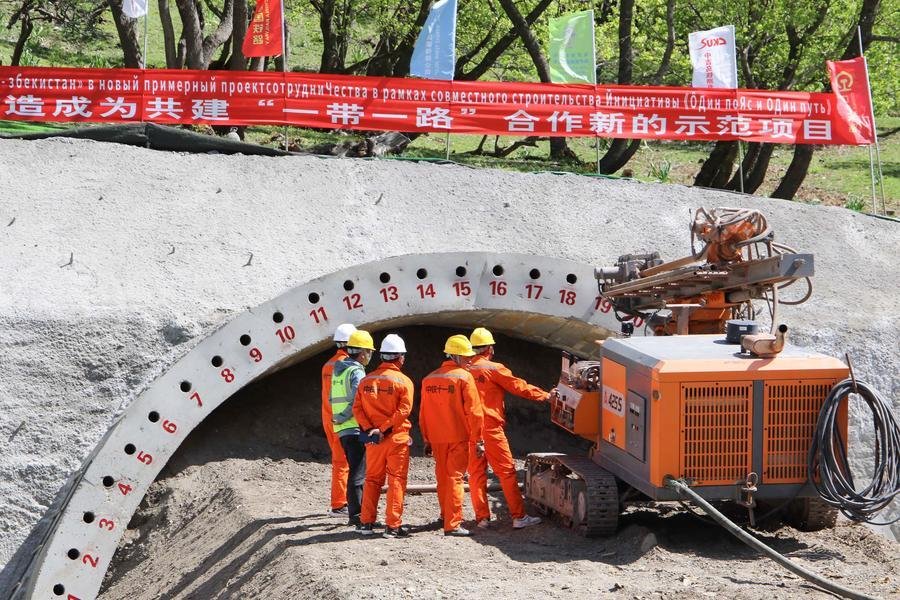
Infrastructure and connectivity projects, including the China-Kyrgyzstan-Uzbekistan railway, the Silk Road e-commerce service hub and the SCO university network, are intended to strengthen trade, education and mobility across member countries.
People-to-people exchanges gain importance
Cultural and educational exchanges have become another pillar of SCO cooperation.
The organization has increasingly used institutional dialogue to promote interaction among countries with different historical and cultural backgrounds.
Supporters of the framework argue that such exchanges can help convert political and cultural differences into channels for cooperation rather than division.
SCO seeks wider role beyond the region
The SCO has also sought a broader role in international affairs by emphasizing the UN Charter, international law and coordination with other multilateral mechanisms.
The SCO Plus format has widened participation beyond the organization’s core membership and created an additional forum for dialogue among countries of the Global South.
China has presented the SCO’s experience as evidence that countries with different political systems and development paths can cooperate while maintaining sovereign equality and national differences.
The organization is expected to continue expanding regional cooperation in security, trade, technology and development as debate over reform of the global governance system continues.