
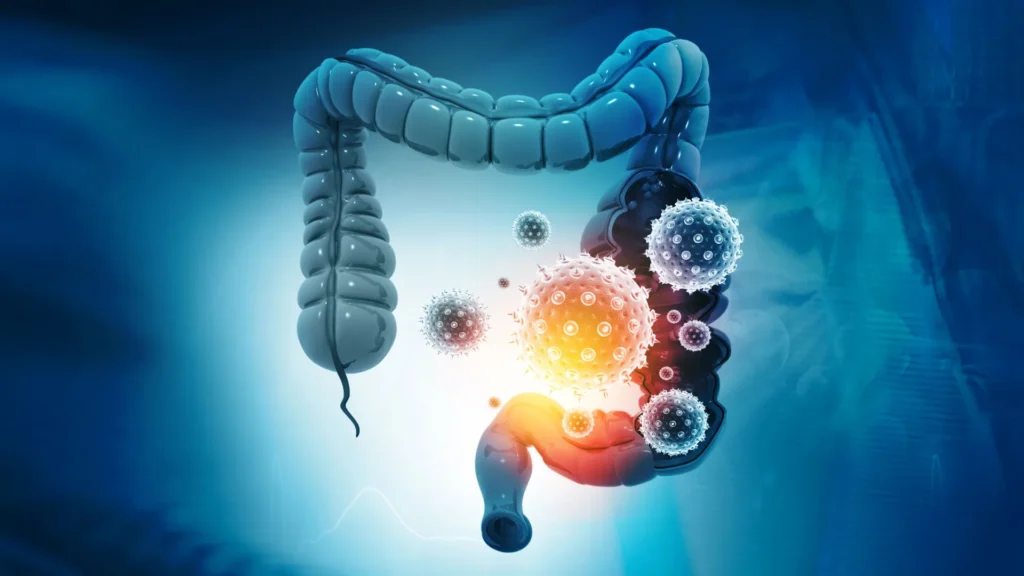
Scientists have uncovered how a common bacterium found in the human gut may contribute to the development of colorectal cancer, potentially opening new avenues for prevention and treatment.
Researchers at Johns Hopkins University in Maryland, United States, have identified a protein called CLOUD-4 that acts as a critical attachment point for a bacterial toxin associated with colorectal cancer.
The discovery is the result of research involving scientists from the Johns Hopkins Kimmel Cancer Center, Bloomberg-Kimmel Institute for Cancer Immunotherapy and Johns Hopkins University School of Medicine.
According to the study published in the journal Nature, the bacterium known as Bacteroides fragilis (BFT) releases a toxin that damages the protective lining of the colon, triggers severe inflammation and creates conditions that may encourage tumour formation.
After nearly two decades of research, scientists used CRISPR gene-editing technology to identify CLOUD-4 as the protein on intestinal cells that allows the bacterial toxin to attach and initiate its harmful effects.
Based on this discovery, researchers developed a protective molecule designed to attract and neutralise the toxin before it reaches intestinal cells.
Experiments showed that this approach successfully protected animals against the harmful effects of the bacterial toxin.
Researchers believe the findings could contribute to the development of new medicines, improved prevention strategies and earlier interventions for colorectal cancer.
The discovery may represent an important step towards understanding how certain gut bacteria contribute to cancer development and how their harmful effects could potentially be blocked.